Home Blog Page 3

Wingcopter long-range drones are in use for aerial surveying in Japan

0

In today’s world, modern technologies play an increasingly important role in addressing complex challenges such as disaster relief and environmental surveying. Especially in geographically challenging areas like those found in Japan, the application of precise and robust aerial surveying methods is essential. The collaboration between ITOCHU Corporation, PASCO Corporation, YellowScan Japan Co., Ltd., and Wingcopter GmbH marks a significant step towards the innovative and effective use of long-range drones specifically designed for the difficult terrain and environmental conditions in Japan.

Advanced surveying technology for challenging terrain

Japan is characterized by its diverse and challenging terrain, with approximately 70% being mountainous and hilly. These unique topographical features significantly complicate conventional surveying methods when it comes to collecting precise and comprehensive data across large land areas. Human teams and manned aircraft often reach their limits in this task, whether due to safety risks or limited efficiency. This is where long-range drones, such as the Wingcopter 198, come into play. With their fixed wings, they offer a significantly greater range and improved flight stability than conventional multicopter drones.

The system proves invaluable, particularly for creating hazard maps and monitoring ground deformation. It allows not only for precise prevention of potential disasters, but also for rapid and effective damage assessment after an event, as well as support in planning recovery measures. The combination of automated data acquisition and long flight duration enables the collection of large-scale data sets in challenging terrain.

Wingcopter survey in Japan
Wingcopter survey in Japan, Wingcopter 198 in front of Mount Fuji (Source: Wingcopter)

Innovative integration of LiDAR technology with the Wingcopter 198

One of the key elements of this cooperation is the integration of YellowScan Japan’s highly advanced LiDAR scanner “VOYAGER” onto the Wingcopter 198 long-range drone. LiDAR (Light Detection and Ranging) enables the capture of terrain data with exceptional detail and precision, which is essential for reliable decision support in disaster prevention and management.

PASCO Corporation contributes its extensive experience in aerial surveying to this collaboration, ensuring safe and high-quality operational procedures. By combining Wingcopter’s innovative long-range drone with YellowScan’s precise scanner and PASCO’s in-depth data analysis expertise, data is generated that was previously only accessible through manned aircraft. In just 45 minutes, it is possible to survey more than 1,000 hectares, simultaneously capturing high-resolution RGB data alongside LiDAR. The result is dense, highly precise point clouds suitable for the most demanding applications in surveying technology.

Importance of automated aerial surveying for sustainability and disaster risk reduction

The increased automation of surveying processes significantly relieves the burden on skilled workers and saves considerable personnel resources. It supports sustainable development in the geoinformation sector by increasing efficiency while simultaneously reducing potential risks. This proves to be a crucial advantage, especially when responding quickly to natural disasters.

The developed systems not only enable lower-risk operations but also increase the safety of the teams involved, as fewer people need to venture into dangerous regions. Furthermore, continuous data collection allows for improved monitoring and preventative analysis, enabling early responses to environmental changes and emerging hazards.

The use of these technologies thus makes a significant contribution to mitigating the impact of disasters and strengthening resilience against future threats. Furthermore, the partnership fosters a surge of innovation in the surveying industry, with effects extending far beyond Japan.

Conclusion: Hazard prevention, damage assessment and reconstruction planning after natural disasters

The collaboration between ITOCHU, PASCO, YellowScan Japan, and Wingcopter represents a milestone in the use of innovative drone and LiDAR technologies for aerial surveying and disaster management in Japan. The targeted deployment of long-range drones like the Wingcopter 198 and the high-precision VOYAGER LiDAR technology addresses the challenge of efficiently and accurately mapping large and complex terrains.

The result is a significant improvement in the possibilities for hazard prevention, damage assessment, and reconstruction planning after natural disasters. At the same time, this technology enables automated, time-saving, and safe surveying, which makes a significant contribution to sustainable development and risk minimization.

For those of you dealing with the demands of modern geodata management and disaster management, this progress means a significant increase in efficiency and security. The interplay of state-of-the-art hardware and software, combined with the long-standing expertise of our partner companies, forms a foundation that extends far beyond mere technology, creating genuine added value for society and the environment.

Spanish Air Force orders Airbus C295 as new transport aircraft

0

The future of Spanish aerospace: Introduction of the Airbus C295

As part of a forward-looking modernization program, the Spanish Ministry of Defense has made a significant decision: it is acquiring 18 Airbus C295 transport aircraft. These will replace the aging fleets of CN235 and C212 aircraft, which have primarily been used for training pilots and paratroopers of the Spanish Aerospace Forces. The plan aims to create a unified fleet that operates with optimal logistical and operational efficiency, which will significantly enhance the capabilities and effectiveness of the Air Force in the long term.

The European aerospace industry, represented by Airbus Defence and Space, plays a significant role in this process. Jean-Brice Dumont, Head of Air Force at Airbus Defence and Space, emphasized that this order will strengthen Spain’s strategic autonomy and sovereignty, while simultaneously giving a significant boost to the national aviation industry and the entire industrial ecosystem. In total, the Spanish Air Force will operate a fleet of 46 C295 aircraft in various configurations – including transport, maritime surveillance, and reconnaissance missions.

Performance characteristics and areas of application of the Airbus C295

The C295 transport aircraft is characterized by its versatility and robustness. In its transport configuration, it can carry up to 70 soldiers or 50 paratroopers and is capable of operating on unpaved runways. This underscores its suitability for various military missions that demand a high degree of flexibility. In addition to transporting cargo and troops, the aircraft can also perform cargo and parachute drops, as well as medical evacuations.

These respective capabilities make the C295 an extremely valuable component of the Air Force. Furthermore, the model’s high operational readiness and modularity ensure that the fleet’s strategic value is significantly increased. This brings advantages not only in military operations, but also in disaster relief and humanitarian missions.

Design of the procurement program and training concepts

To meet the specific requirements of the Spanish Aerospace Forces, the contract for the 18 aircraft was divided into two staggered delivery phases. The first batch will be used specifically for training and the transport of passengers, paratroopers, and cargo at the Military Air Transport Center in Salamanca. There, the C295 will replace the aging CN235 aircraft. Delivery of this first batch is scheduled for 2026 to 2028.

The second phase of deliveries, scheduled between 2030 and 2032, focuses on manual and automatic parachuting as well as cargo drops. Currently, these operations are carried out by C212 aircraft at the Military Parachuting School at Alcantarilla Air Base in Murcia. The integration of the modern C295 is expected to bring about significant improvements in flight safety and training quality.

Furthermore, the agreement includes the provision of an advanced ground-based training system tailored to the individual needs of the training facilities. This system comprises several flight simulators, computer-based learning systems, and training management software, which will be used in both Salamanca and Murcia.

Support and long-term operational reliability

The procurement program goes beyond the mere delivery of aircraft and includes comprehensive support for the C295 fleet at the Military Air Transport Center. This support encompasses all aircraft maintenance, the management of all necessary materials, and the organization of the training center until at least December 2032. This holistic support not only ensures the fleet’s continued operational readiness but also guarantees that the air force can operate with state-of-the-art equipment and optimal training conditions.

The Airbus C295 has established itself as the world’s leading aircraft in its class. With more than 329 orders from 38 countries on four continents and over 710,000 flight hours, the model sets standards in terms of reliability and versatility. Furthermore, production at the Airbus administrative centers in Seville contributes to strengthening the Spanish aerospace industry and secures numerous jobs in the region.

Conclusion: Strategic and economic importance of the C295 procurement

The decision to acquire the Airbus C295 aircraft represents a crucial step for the Spanish Aerospace Forces in modernizing and harmonizing their transport capabilities. It not only enables the replacement of outdated aircraft models but also ensures operational efficiency and flexibility for future challenges.

Furthermore, the program promotes the technological advancement and training of pilots and paratroopers through modern training systems and qualified support throughout the fleet’s lifespan. The combination of equipment, support, and training innovations makes the transition to the C295 a comprehensive advancement on both a military and industrial level.

Furthermore, this modernization serves as a strong commitment by Spain to strengthening its strategic autonomy and promoting its domestic aviation industry. The robust fleet is not only seen as a model of technical excellence on the European continent, but also enhances international relations through its presence in various missions worldwide. In summary, the introduction of the Airbus C295 marks the beginning of a new era of military airlift capabilities in Spain, extending far beyond mere flight operations and entailing profound economic and strategic implications.

Philippine Airlines expands long-haul fleet with A350-1000

0

Introduction to the modernization of the long-haul fleet

Philippine Airlines hat seine erste A350-1000 erhalten, und damit die Reihe der Betreiber dieses Modells auf weltweit zehn erweitert. Dieses Flugzeug symbolisiert nicht nur Fortschritt in der Flottenentwicklung, sondern leitet auch eine neue Ära im transpazifischen Flugverkehr der Fluggesellschaft ein. Mit einer Konfiguration von 382 Sitzen in drei Klassen verkörpert dieser moderne Großraumjet ein Sprungbrett zu erweiterten nonstop Verbindungen zwischen Asien und Nordamerika.

Technological advances and flight experience

This aircraft type is no ordinary passenger plane. Instead, the A350 presents itself as a masterpiece of modern aviation technology, setting new standards in efficiency and comfort. With an innovative aerodynamic design based on cutting-edge technologies, it delivers significant fuel savings. It consumes approximately 25% less kerosene compared to older generations of aircraft, which not only reduces operating costs but also significantly lowers CO₂ emissions. This is a crucial step towards more sustainable air travel that you, as a passenger, can appreciate.

Inside, you’ll find a spacious Airspace cabin characterized by wide seats, high ceilings, and pleasant lighting. The feeling of spaciousness and tranquil atmosphere contribute significantly to making long flights more comfortable. For airlines, this translates to improved customer satisfaction, and you benefit from a relaxed flight experience that sets new standards.

Fleet expansion and strategic importance

The arrival of the first of nine ordered A350-1000 aircraft significantly strengthens Philippine Airlines’ long-haul strategy. Together with the A350-900s already in service, they expand the airline’s potential to develop new and existing routes to the USA. The decision to purchase these wide-body aircraft demonstrates the airline’s commitment to efficiency, range, and passenger comfort in order to remain competitive in the global market.

This fleet expansion not only optimizes capacity but also operational safety and reliability. As a regular passenger, you benefit from fewer disruptions and a modernized infrastructure based on advanced technology. The fleet policy also underscores the commitment to sustainability, with the use of up to 50% Sustainable Aviation Fuel (SAF) already possible. Airbus even plans for its aircraft to be able to use 100% SAF by 2030, further improving the environmental footprint of your flights in the future.

Global acceptance and market significance of the A350

Since its introduction, the A350 family has received almost 1,500 orders from 66 different customers worldwide, underscoring its unique profile as a sought-after long-haul aircraft. Philippine Airlines’ selection as the tenth airline to add the A350-1000 to its fleet confirms the trend towards state-of-the-art aircraft that combine economic and environmental advantages.

This widespread acceptance also demonstrates that airlines worldwide are striving to modernize their fleets with more efficient, sustainable aircraft. For you as a passenger, these changes mean a better flight experience, for example through less noise, lower emissions, and increased flight stability. The significance of the A350 as the latest generation in the widebody aircraft segment ensures that this technology will continue to shape the industry for many years to come.

Conclusion: A milestone for Philippine Airlines and international air travel

The delivery of Philippine Airlines’ first A350-1000 is more than just a fleet expansion. It marks the beginning of a new era focused on efficiency, comfort, and sustainability. Thanks to technological innovations and improved cabin design, your next long-haul flight across the Pacific will be a more pleasant and responsible experience.

The ability to fly nonstop to key destinations in North America also promises greater connectivity and efficiency, which will be reflected in better offers and connections for travelers.

Qanot Sharq receives its first Airbus A321XLR

0

Introduction to a new era of air travel

Qanot Sharq, a leading private airline in Uzbekistan, has taken a significant step towards modernization and international expansion. With the delivery of its first A321XLR aircraft, the airline not only underscores its growth ambitions but also marks a milestone as the first operator of this modern aircraft type in Central Asia and the Commonwealth of Independent States (CIS). This event marks the beginning of a new era focused on efficiency, comfortable travel, and extended range.

The acquisition of the A321XLR is made under a long-term lease agreement with Air Lease, a renowned player in the aircraft leasing market. This investment signals a clear strategy to modernize the fleet to remain competitive and develop new international routes. The aircraft will connect key cities in Asia and overseas, significantly improving global connectivity.

Design and features of the new A321XLR

Powered by state-of-the-art CFM LEAP-1A engines, the aircraft is specifically designed to optimally combine efficiency and comfort. With a seating capacity of 190 in a two-class configuration, it offers 16 fully lie-flat seats in Business Class and 174 seats in Economy Class. This configuration is geared towards international air travelers who value a pleasant journey.

A notable feature is the Airbus Airspace cabin, equipped with XL overhead bins offering 60% more storage space than older models. Additionally, improved interior lighting creates a pleasant atmosphere and a more relaxed flight experience. Passengers can also take advantage of modern in-seat connectivity, which is particularly important for business travelers.

The generous storage options are another plus, providing greater comfort by allowing personal belongings to be stowed safely and within easy reach. This thoughtful cabin design contributes to increased passenger satisfaction and supports cabin crew by simplifying and speeding up workflows.

Technical features and ecological advantages

The A321XLR represents the most advanced evolution of the A320neo family and was specifically designed to meet the increasing market demands for range and payload. With a range of up to 4,700 nautical miles, it surpasses its predecessor, the A321LR, by approximately 15%, enabling flight routes previously only possible with larger aircraft.

Another key advantage is the significantly lower fuel consumption per seat – reduced by 30% compared to older aircraft generations. This not only leads to lower operating costs but also has a positive impact on the environment. The reduced nitrogen oxide (NOx) emissions and lower noise levels make the aircraft a sustainable partner in air transport.

Environmental aspects are further supported by the aircraft’s ability to use sustainable fuels. The A321XLR can already operate on up to 50% Sustainable Aviation Fuel (SAF). Airbus plans to achieve full compatibility with 100% SAF by 2030, which will further minimize the fleet’s environmental footprint.

Strategic importance for Qanot Sharq and regional aviation

For Qanot Sharq, the addition of the A321XLR represents a significant upgrade to its services and the opportunity to penetrate previously untapped markets. New routes, such as those to Sanya and Busan in Asia, and to New York City via Budapest, expand the network and create attractive options for passengers. This not only strengthens the airline’s market position but also fosters economic development in the region.

Furthermore, the increased range and efficiency of the A321XLR allows for better utilization of lower-demand flight routes that would be uneconomical with larger jets. This enables a more flexible route network and a better response to customer needs.

Overall, this positions the airline as a pioneer in future-oriented air transport in Central Asia and contributes to improving the region’s infrastructure and connectivity. The decision to use this modern aircraft reflects a long-term perspective where sustainability, profitability, and service quality go hand in hand.

Future outlook and sustainability

The introduction of this innovative jet is part of a broader strategy that will shape air travel for decades to come. With the A321XLR, Qanot Sharq is focusing on technological advancements that promote sustainable development while offering passengers enhanced travel experiences.

In light of global environmental challenges, reduced fuel consumption and compatibility with Sustainable Aviation Fuel are becoming increasingly important. The airline’s commitment to more environmentally friendly flight practices also positions it favorably in the face of stricter international regulations.

The aircraft’s extended range and improved technical capabilities open up new business opportunities and allow Qanot Sharq to strategically expand its route network, taking both economic and environmental aspects into account. This ensures sustainable growth that meets the increasing demand for international air transport services.

Conclusion: A milestone for the Central Asia region and the CIS countries

With the integration of the A321XLR into its fleet, Qanot Sharq is demonstrating not only its innovative strength but also a clear commitment to future-oriented, sustainable aviation. The combination of technological advancement, passenger comfort, and environmental responsibility provides a strong foundation for the company’s continued success.

The introduction of this aircraft marks a significant milestone for the Central Asian region and the CIS countries, setting new standards for modern aviation and paving the way for future international networking. It thus writes a new chapter in the history of Qanot Sharq and aviation in the region, one that meets both passenger expectations and the requirements of sustainable development.

China Airlines buys more Airbus A350-1000s

0

Einführung in den Ausbau der Langstreckenflotte

Here you will learn how Taiwanese airline China Airlines recently expanded its fleet with a significant order for five additional Airbus A350-1000 aircraft. This brings its total order for the type to 15 units, complementing its existing fleet of 15 Airbus A350-900 jets currently operating on long-haul routes worldwide. This decision sends a clear signal of China Airlines’ commitment to sustainable and future-oriented development in the long-haul aviation sector.

The commitment to fleet modernization is a top priority. It demonstrates the importance of efficiency, passenger comfort, and environmental considerations in the airline’s strategic growth plans. The deployment of the latest generation of Airbus aircraft will particularly enhance competitiveness and the travel experience on long-haul routes.

The following sections will explain the technological advantages offered by the A350 family, what the emission savings will look like in concrete terms, and what impact this decision may have on global air traffic and the sustainable development of the industry.

Technological advances and efficiency of the Airbus A350 family

The Airbus A350 represents the state of the art in widebody aviation and was specifically designed to cover distances of up to 9,800 nautical miles, or 18,000 kilometers, nonstop. The aircraft’s technical features and aerodynamic characteristics set new standards in efficiency and comfort.

It is characterized by innovative materials and state-of-the-art engine technology. The use of lightweight materials significantly improves fuel efficiency and reduces operating costs and CO2 emissions by around 25 percent compared to its predecessors or competitors. The latest generation of Rolls-Royce engines, in particular, contribute significantly to this optimization.

Furthermore, the exclusive cabin, called Airspace, offers state-of-the-art features to enhance comfort for both passengers and cabin crew. These include an improved cabin climate, reduced noise levels, and cutting-edge entertainment systems, significantly improving the travel experience. This technological innovation, combined with a focus on sustainability, ensures that the A350 aircraft will play a crucial role in the further development of commercial aviation.

Sustainability and future prospects in aviation

Particular emphasis is placed on the sustainable operation of the aircraft. The A350 is already capable of using up to 50 percent Sustainable Aviation Fuel (SAF), which significantly reduces the climate footprint of a single flight. Airbus is even going a step further and plans to make its entire aircraft range capable of running on 100 percent SAF by 2030.

This measure is part of the global transformation within the aviation industry towards a more environmentally friendly future. For you as a stakeholder in air transport, this presents both significant opportunities and challenges, as processes, infrastructure, and business models will need to be adapted.

China Airlines and other airlines operating the A350 are contributing to a more climate-friendly air travel sector through the use of sustainable fuels and more efficient aircraft. The global market confirmed this trend with nearly 1,500 orders for the A350 family from 66 customers by the end of November 2025, underscoring the high regard for this technology.

Impact and significance of fleet expansion for China Airlines

The decision to order five more Airbus A350-1000 aircraft is more than just an expansion of the fleet – it represents a significant milestone in China Airlines’ long-term growth strategy. Increasing passenger capacity while simultaneously improving operating costs and enhancing environmental awareness creates a solid foundation for the company’s future in international competition.

They benefit from more efficient resource utilization, which translates into lower operating costs. At the same time, the airline remains competitive with state-of-the-art technology and first-class service. This is particularly crucial for long-haul flights, where comfort and range are of paramount importance for customer satisfaction and economic success.

Furthermore, the close partnership with Airbus, strengthened by this follow-up order, underscores confidence in the performance and reliability of the A350 series. This close cooperation allows China Airlines to consistently pursue its network ambitions and expand its market position in the long term.

Conclusion: The path to a modern and sustainable long-haul fleet

By adding five more A350-1000 aircraft, the Taiwanese airline is sending a clear signal for innovation, comfort, and environmental responsibility in air travel. The fleet expansion reflects its commitment to utilizing modern technologies to benefit both economically and environmentally.

Investing in the latest generation of Airbus A350 aircraft sustainably strengthens long-haul capacity and promotes an enhanced passenger experience thanks to advanced cabin concepts and more efficient engines. The combination of reduced emissions, the use of sustainable fuel, and modern aerodynamics offers a way to significantly minimize CO2 emissions in air transport.

This means you benefit not only from comfortable and efficient technology, but also from a clear focus on future environmental requirements. China Airlines’ position as a pioneer in sustainable long-haul flights is thus strengthened, while simultaneously ensuring competitiveness and service quality in a demanding market.

This development exemplifies how modern aviation companies integrate innovative solutions to successfully meet the challenges of the 21st century.

Fuerteventura in winter: Insider direct flights

0

Winter paradise for surfers on Fuerteventura

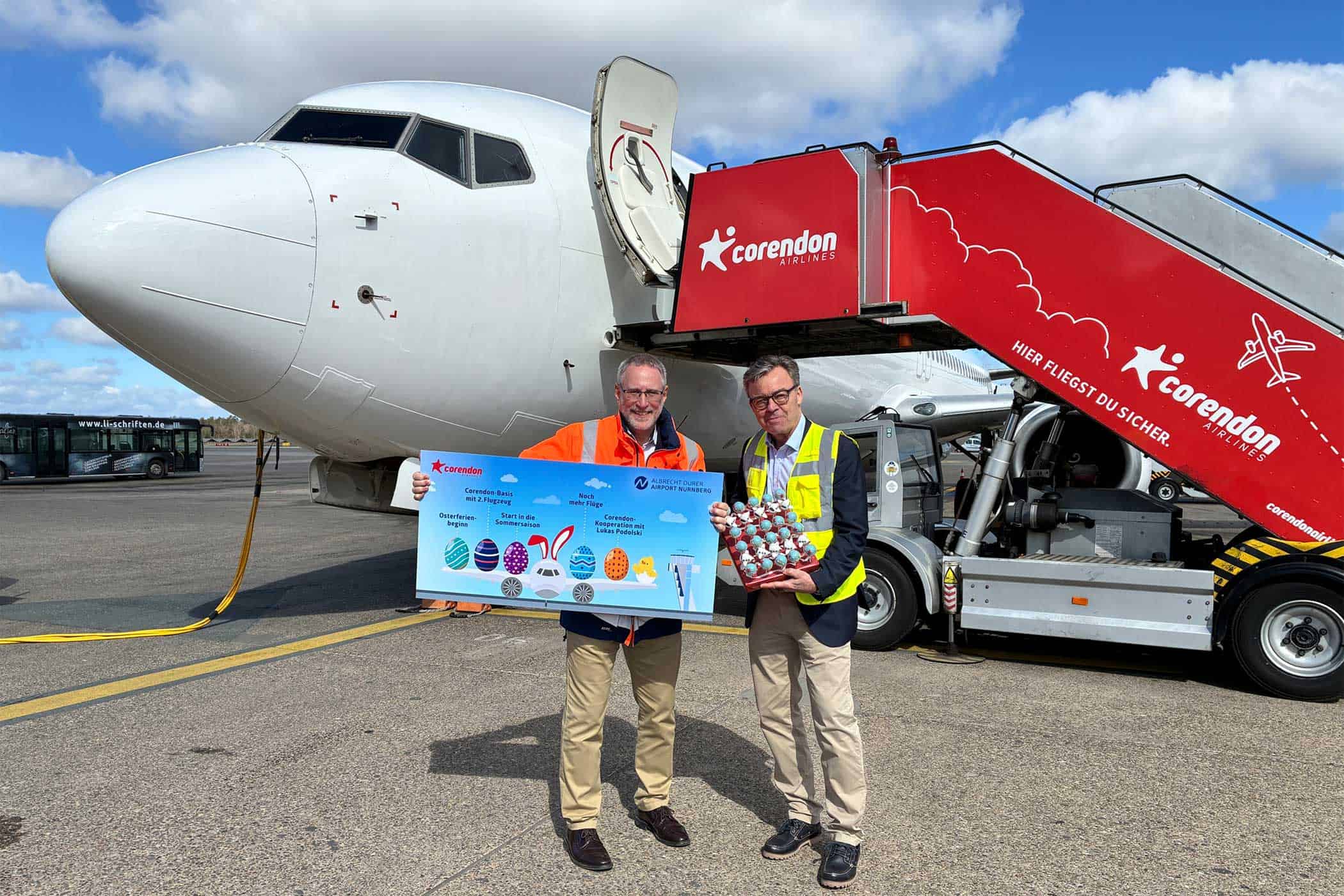
While many European regions enter a quieter phase during the winter, Fuerteventura experiences a vibrant surf season, offering an attractive alternative, especially for lovers of Atlantic waves. The island boasts consistent waves, pleasant temperatures, and exceptionally high sunshine hours, making it a particularly reliable destination for water sports enthusiasts during the winter months. Regular direct flights from Germany, including from Cologne/Bonn, Düsseldorf, Hanover, and Nuremberg, ensure easy access to this very special surfing destination.

These convenient flight options allow you, like many other travelers, to enjoy the rhythm of the sea all year round. Especially if you’re looking for a place where surfing isn’t just a hobby, but a way of life, Fuerteventura offers a wide range of options to indulge your passion with modern infrastructure and an authentic atmosphere.

Surfing as an integral part of island life

On Fuerteventura, surfing isn’t seen as an occasional adventure, but as a natural part of daily life. Here, your schedule often adapts to the conditions of the moment – ​​wind and wave conditions determine when you grab your board or take a break. This flexibility shapes the island’s culture and creates a shared foundation for tourists and locals alike, extending far beyond the sporting experience itself.

Especially in the northwest, for example near El Cotillo, you’ll experience this sense of community particularly strongly. The area is characterized by its manageable bays and tranquil atmosphere, making it easy for beginners to get started and allowing more experienced surfers to adapt to the sea and its whims. Even when conditions aren’t ideal, you’ll quickly find an alternative, be it a relaxing coffee in the market square or a plate of papas arrugadas, the famous specialty of potatoes boiled in salt water, accompanied by the spicy Canarian mojo sauce. These moments allow you to experience the diversity and serenity of Fuerteventura not only while surfing.

Challenging surfing conditions in the north near Majanicho

The northeastern coast around the small fishing village of Majanicho attracts particularly experienced surfers seeking more intense challenges. The open Atlantic coast offers demanding waves with powerful, well-defined barrels that never get boring. The spot “The Bubble” is especially famous, where tales of perfect rides and intense sessions abound.

These waves demand precise skill and a keen sense of the ocean, as well as impeccable timing. Those who surf here understand the need for complete concentration and only leave the beach as the last light of day fades. The environment and the forces of nature command the utmost respect and offer you, as an experienced surfer, an ideal opportunity to further hone your skills while simultaneously absorbing the spiritual rhythm of this breathtaking landscape.

Focus and technique on the west coast near La Pared

Another highlight area lies on the west coast near La Pared, which is particularly interesting for those looking for consistent and powerful waves. Due to its open location facing the Atlantic coast, the breaks achieve impressive consistency on many days, especially when the wind is light. La Pared is therefore often a favorite among surfers who aren’t necessarily seeking variety, but rather focused sessions and targeted work on their technique.

The conditions allow you to fully concentrate on the finer points of your surfing: from the clean take-off to the smooth bottom turn. This proximity to the forces of nature invites intensive training, where you can study the dynamics of the waves and further develop your skills under near-ideal conditions. At the same time, you will experience the unmistakable tranquility and beauty of the coastline that characterizes Fuerteventura even away from the water.

Year-round surfing in the harmonious interplay of light and the Atlantic Ocean

Regardless of the coastal region, Fuerteventura reveals its diverse and sporty side in winter. The island offers you the opportunity to flexibly adapt your passion for surfing to your personal needs and how you feel each day. This makes the destination attractive not only for a single trip, but a place that draws many surfers back year after year.

The magic lies in the combination of movement, light, and the power of the Atlantic, which set the pace. This allows you to continuously improve, try new spots, and experience the feeling of getting closer to the sea and to yourself. This continuity and openness form the foundation of a very special surfing atmosphere that distinguishes Fuerteventura from many other destinations.

Travel comfortably with your own equipment

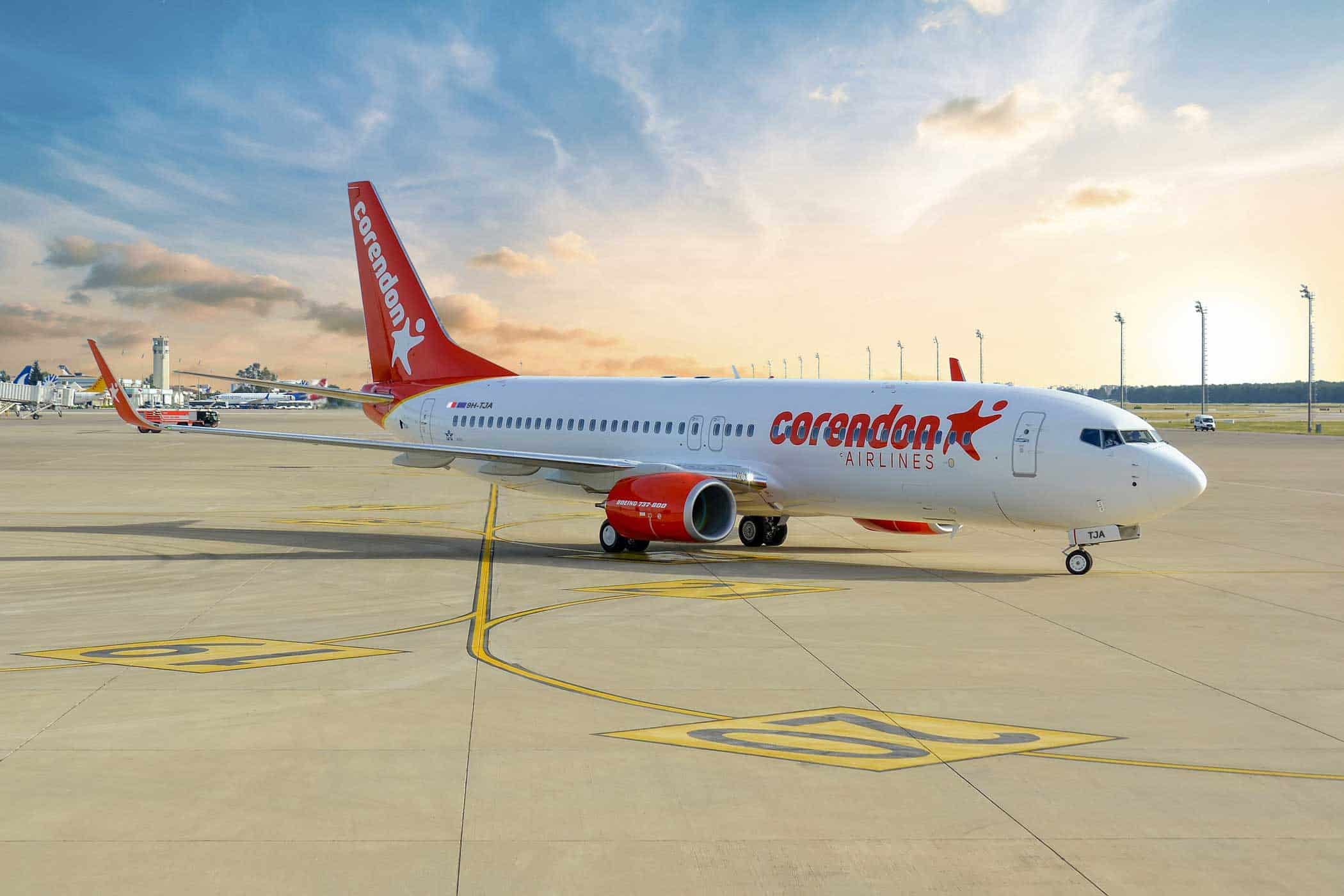
Many female surfers prefer to bring their own equipment so they can get into the water with familiar gear tailored to their personal style. The airlines that operate flights between Germany and Fuerteventura – including Corendon Airlines – allow you to conveniently book surf equipment online in advance for an additional fee. This service significantly simplifies your travel planning and ensures a smooth arrival in the Canary Islands.

Direct flights depart several times a week from cities such as Cologne/Bonn, Düsseldorf, Hanover, and Nuremberg, bringing you to your winter surfing paradise faster and without layovers. This allows you to focus entirely on the waves and the sport itself.

Conclusion: Fuerteventura as a winter destination for high-end female surfers

For female surfers who want to stay active by the sea even during the winter months, Fuerteventura is one of the best destinations. The combination of reliable waves, pleasant climate conditions, and an authentic surf culture creates ideal conditions for unforgettable experiences.

Thanks to excellent accessibility via direct flights several times a week from various German cities, this island paradise is easy and time-saving to reach. The option of bringing surfing equipment along without any hassle completes the package and makes the trip stress-free.

Whether you prefer tranquil surf sessions in picturesque bays, challenging experiences in open Atlantic waves, or focused training sessions at consistently powerful spots: Fuerteventura offers a wide range of options, allowing you to perfectly combine your own goals and daily rhythm. This way, you’ll gain a surfing experience that goes beyond the ordinary holiday and will keep you coming back to this extraordinary island.

Spain invests in 100 modern Airbus helicopters

0

Introduction to the modernization of Spanish defense

Spain has taken a significant step towards modernizing its defense and security equipment by placing an order for 100 Airbus helicopters with manufacturer Airbus through the Directorate General for Armaments and Equipment (DGAM) of the Ministry of Defense. These comprehensive contracts, part of the National Helicopter Plan announced in May, aim to substantially enhance the capabilities of the Spanish Armed Forces and ensure national strategic autonomy in a key area of ​​European defense.

This means that, as an observer, Spain is not only focusing on modernizing its military equipment, but is also driving this process forward through industrial development and the creation of highly skilled jobs. More than 300 direct jobs are expected to be created within the next three years, representing a significant boost to the country’s economy and technological expertise.

Different helicopter types for diverse applications

The order comprises four different helicopter models, each intended for different operational tasks within the three branches of the armed forces. As part of the National Helicopter Plan, the helicopters were selected to cover a broad spectrum of missions, enabling training, combat, and humanitarian operations.

The H135 helicopters, of which 13 units are being procured, are primarily intended for demanding pilot training, light transport tasks, and observation missions. Twelve of these will be deployed to the Aerospace Forces and one to the Navy.

The Spanish Army (FAMET) is acquiring 50 H145M helicopters. These versatile helicopters cover a wide range of tasks, including military pilot training, light attack capabilities with HForce weapon modules to complement the Tiger attack helicopter, logistical transport, and disaster relief.

Six of the state-of-the-art H175M helicopters are being delivered to the Aerospace Forces. These super-medium utility helicopters will be used for various purposes, including government flights, transporting officials, and replacing older fleets from Wing 48.

Finally, the order comprises 31 NH90 helicopters, designed for tactical transport and maneuver missions, special operations, and to complete the amphibious fleet. These are distributed among the Army (13 units), the Aerospace Forces (12), and the Navy (6).

Strategic importance and industrial development

The Ministry of Defense’s commitment to equipping its armed forces with state-of-the-art helicopters underscores the ambitious direction of national defense. This investment will significantly enhance Spain’s security and defense capabilities while simultaneously developing national strategic autonomy, which is of great importance in a European context.

It is becoming clear to you that this procurement is not only significant from a military perspective, but also provides a crucial economic and technological boost to Spain. Airbus Helicopters’ presence will be expanded, particularly in Albacete, where a new center for the adaptation of military helicopters and an international training center for H145M pilots and technicians are being built. This will not only support ongoing projects such as the mid-life upgrade of the Tiger helicopters, but will also strengthen the local industrial base and jobs.

Another key aspect is the development of a competence center for digital technologies at the Albacete site. In collaboration with the University of Albacete and the Castilla Mancha Science and Technology Park, a Digital Campus is being created, specializing in the development of digital tools and cybersecurity for Airbus Helicopters. The areas of support engineering, software development, connectivity, and maintenance are also being specifically expanded for the helicopters of the Spanish Armed Forces.

Impact on national security and defence resilience

The order and modernization is a milestone, representing a qualitative increase in the capabilities of the Spanish Armed Forces. For national security, this means a significant improvement in response capabilities in various scenarios, be it military operations, disaster relief, or the evacuation of people.

From a defense resilience perspective, the investment strengthens Spain’s independence in aerospace technology and ensures that the country is not overly dependent on foreign suppliers. This is particularly important given current geopolitical challenges, where sovereign defense capabilities play a crucial role.

Furthermore, this initiative promotes cooperation within Europe’s defense industry and puts Spain on the map as a key location within the European aerospace sector. This positioning also secures the long-term development of new technologies and the associated jobs.

Conclusion: A future-oriented investment for Spain

In summary, this procurement represents a strategically sound and comprehensive modernization of the Spanish Air Force, Army, and Navy. It covers a wide range of operational capabilities and ensures a sustainable strengthening of national security.

For you as an outsider, this illustrates how modern defense works in the 21st century: it combines technological innovation, industrial growth, and a strategic, autonomy-oriented security policy. The core elements of the National Helicopter Plan set new standards and create the foundation for a resilient and state-of-the-art armed force that is strong in both traditional and digital fields.

With its role as a European hub in helicopter manufacturing and its promotion of a highly skilled workforce, Spain demonstrates how key security investments can also drive economic and technological development. This combination will undoubtedly help Spain maintain a leading position in Europe’s defense industry in the long term and ensure its national security remains at a future-proof level.

LOT offers new Asia connection Warsaw-Bangkok

Introduction to the new flight offer to Bangkok

LOT Polish Airlines is expanding its route network and further strengthening its presence in Asia. From the end of October 2026, the Polish airline will connect the metropolis of Warsaw with the Thai capital, Bangkok – one of the world’s most popular travel destinations. This will provide travelers from Germany, Austria, and Switzerland with a convenient way to reach the warmth and culture of Southeast Asia via Warsaw and reliable connecting flights.

The service operates five times a week, departing from Warsaw every Monday, Wednesday, Thursday, Saturday, and Sunday afternoon. After a flight time of approximately 10 hours and 20 minutes, passengers arrive in Bangkok in the early morning. This new service offers travelers the opportunity to easily reach Bangkok’s diverse attractions, whether for leisure or business.

With a departure time of 14:25 in Warsaw, there are numerous attractive connecting options, each with only short layovers at Warsaw Chopin Airport for transfers:

  • From Berlin
    Departure at 11:20 AM, arrival in Bangkok at 6:45 AM local time the following morning after a total travel time of 13 hours and 20 minutes.
  • From Düsseldorf
    Departure at 10:25 a.m., arrival in Bangkok at 6:45 a.m. local time the following morning after a total travel time of 14 hours and 20 minutes.
  • From Hamburg
    Departure at 11:30 a.m., arrival in Bangkok at 6:45 a.m. local time the following morning after a total travel time of 13 hours and 15 minutes.
  • From Stuttgart
    Departure at 10:35 AM, arrival in Bangkok at 6:45 AM local time the following morning after a total travel time of 14 hours and 10 minutes.
  • From Geneva and Zurich
    Departure at 10:25 AM, arrival in Bangkok at 6:45 AM local time the following morning after a total travel time of 14 hours and 20 minutes.
  • From Vienna
    Departure at 9:20 a.m., arrival in Bangkok at 6:45 a.m. local time the following morning after a total travel time of 15 hours and 25 minutes.
Bangkok - Chinatown
Bangkok – Chinatown (© courtesy of LOT Polish Airline)

Details on flight times, service and onboard comfort

Flights from Warsaw to Bangkok, operating under flight number LO65, depart weekly on set days at 2:25 PM local time in Warsaw and arrive in Bangkok the following day at 6:45 AM local time. This allows for convenient scheduling and optimal use of travel time for both business and leisure travelers. The Boeing 787 Dreamliner aircraft used offer a modern flight experience with three different comfort classes:

  • Business Class
  • Premium Economy Class
  • Economy Class

The latter cater to different comfort levels and price ranges, with each cabin boasting excellent in-flight service. LOT Polish Airlines is known for combining European precision with Asian hospitality, ensuring a pleasant flight from the very beginning. Year-round service allows you to flexibly explore Southeast Asia at any time of year. The afternoon flight time is particularly attractive for frequent flyers who value a healthy work-life balance while traveling.

Strategic importance of the new route for LOT and passengers

LOT Polish Airlines views the addition of the Bangkok route not only as an expansion of its tourist offerings, but also as a strategically important extension of its intercontinental flight network. This move fits seamlessly into its growth strategy, which will serve numerous other destinations in the medium and long term, such as Almaty in Kazakhstan and San Francisco in the USA. With the launch of Bangkok, the airline is establishing a new focus in Asia, complementing its existing connections to Tokyo, Seoul, and Delhi.

For travelers from the DACH region, this means even more accessible and convenient travel to Asia. The connection via Warsaw also allows for straightforward onward flights within Europe, significantly simplifying travel planning. Flights are available through all common booking platforms and travel agencies, ensuring a seamless booking experience. Furthermore, LOT’s membership in the Star Alliance strengthens networking and provides frequent flyers with attractive mileage programs and booking benefits.

Combining efficiency and sustainability in air transport

The choice of the Boeing 787 Dreamliner for the Bangkok route underscores LOT Polish Airlines’ commitment to providing a high level of comfort and service while simultaneously demonstrating environmental responsibility. The Dreamliner models feature energy-efficient technologies and optimized fuel consumption, which positively impacts the flights’ carbon footprint. In an era of growing awareness of sustainability in air travel, this contributes to a reduced environmental impact. As a passenger, you can therefore expect not only a modern and comfortable flight experience but also travel with a clear conscience. Furthermore, the regular service to Bangkok is an important contribution to the sustainable development of international air connections, as it combines the efficient use of technological innovations with the needs of modern travelers.

Practical tips for booking and travel preparation

Flights to Bangkok are already available for bookings starting October 26, 2026, and can be reserved through all distribution channels, including official airline websites, travel agencies, and other booking platforms. The easy accessibility of Warsaw Airport via numerous connecting flights allows for flexible travel arrangements, whether departing from Berlin, Vienna, Zurich, or other cities. Convenient layover times ensure a smooth onward journey without long waits.

LOT Polish Airlines Boeing 787 Dreamliner
LOT Polish Airlines Boeing 787 Dreamliner (© LOT Polish Airlines)

For business travelers, the new route also offers attractive connections to Thailand and neighboring Asian markets. It is recommended to also check the offers in Business or Premium Economy Class to optimize travel comfort, especially on long-haul flights. Furthermore, you should also consider the current entry requirements for Thailand and any potential health and safety requirements.

Conclusion: A new chapter for air passengers in the region

Die Aufnahme der Flugverbindung von LOT Polish Airlines nach Bangkok ab Oktober 2026 stellt für Reisende aus Deutschland, Österreich und der Schweiz eine bedeutende Erweiterung der Möglichkeiten dar, Asien auf komfortable und effiziente Weise zu entdecken. Mit dem modernen Fluggerät, den flexiblen Flugzeiten und einem überzeugenden Servicekonzept trägt die Airline nicht nur zur besseren Vernetzung Europas mit Südostasien bei, sondern bietet zudem eine attraktive Verbindung für private und geschäftliche Reisende.

LOT’s sustainable growth strategy is evident in the expansion of its route network to include key destinations and the cultivation of frequent flyer alliances. As a passenger, you benefit from an expanded range of high-quality services in multiple comfort classes and easy booking via numerous platforms. The new flight to Bangkok clearly demonstrates how modern air travel strategies and travel desires can be balanced, inspiring a passion for the fascinating cultures and dynamic cities of Asia.

Memmingen Airport: Winter tourism and record numbers

Introduction to the role of Memmingen Airport

Memmingen Airport has developed into a major aviation hub in recent years. This development is of considerable importance not only for the Allgäu region but also for international travelers. The period around the holidays is a particularly busy time for passengers, leading to an expected record-breaking result in 2025. The 3.5 million passenger mark will be surpassed even before Christmas – a figure that impressively demonstrates the airport’s growth and efficiency.

The combination of optimal connections, strong airline partnerships, and an attractive range of flights is a major factor in making Memmingen Airport a key player in German air traffic. Travelers value it as a preferred hub.

Dynamics of passenger volume and airline strategies

Passenger numbers at Memmingen Airport have steadily increased in recent years. This is partly due to the successful cooperation with low-cost airlines such as Ryanair and Wizz Air. These airlines have continuously adjusted their capacities to meet the rising demand.

Additional flights have even been offered for the weeks leading up to Christmas. Ryanair has stationed another aircraft in Memmingen to offer customers a wider range of options and greater flexibility. This refutes earlier speculation about a possible withdrawal of the airline and underscores the importance of this location for the airline’s strategic direction.

This development demonstrates how airlines are responding to market dynamics. By expanding capacity, they can strategically strengthen their competitiveness. For you, this means a wider selection of destinations and flight times. Furthermore, accessibility to popular destinations improves, especially during peak season.

Diverse reasons to travel and attractive destinations during the holidays

During the Christmas season, three main motivations for passenger travel behavior at Memmingen Airport can be identified. Firstly, there is a strong desire to maintain personal contacts and family ties. For this reason, flights to Eastern Europe are in high demand, as many travelers want to visit their loved ones in their hometowns. Secondly, numerous people from the Swabia, Allgäu, Tyrol, and Vorarlberg regions are drawn to relaxing and sunny destinations. Places like Tenerife, Gran Canaria, Malta, Sicily, and Tangier are particularly popular, as they offer a pleasant alternative to the Christmas hustle and bustle at home.

The third focus area concerns the winter sports regions of Bavaria, Austria, and Switzerland. Many tourists travel there during the holidays to take advantage of the diverse leisure activities on offer.

For these sports enthusiasts, Memmingen Airport offers ideal access. Its geographical location and short connections to the ski resorts allow for a time-saving and comfortable journey.

Importance of the airport as a central hub for tourism

The function of Memmingen Airport as an important transport hub is explicitly emphasized by regional developers and tourism stakeholders. Its proximity to tourist attractions is a decisive factor in choosing the mode of transport.

Representatives from the tourism industry, such as Jörn Homburg, emphasize the particularly short transfer times to the Grasgehren and Riedbergerhorn ski resorts. This advantage is appreciated by many visitors and contributes to the positive reception of the location.

For accommodations like the Hubertus Mountain Refugio in Balderschwang, the easy accessibility via Memmingen Airport represents a strategic competitive advantage. It facilitates attracting international guests, particularly from Great Britain, and sustainably strengthens the tourism sector.

Memmingen Airport in the context of regional and international transport infrastructure

Due to its location and services, Memmingen Airport occupies a key position in the transport system of southern Germany. It significantly reduces travel times compared to larger metropolitan airports.

This is particularly noticeable during the winter high season, when many sports enthusiasts use the airport to get to the surrounding winter sports areas.

Outlook and strategic perspectives for the future

The projected record results for 2025 are a clear indication of Memmingen Airport’s growth potential. Those in charge have set clear goals and are committed to a sustained expansion of services. Sustainable concepts and innovative solutions for air traffic play just as important a role as maintaining partnerships with established airlines.

Conclusion: Why Memmingen Airport is indispensable for travelers and the region

This demonstrates how Memmingen Airport represents a dynamic force in air transport and the tourism industry, extending far beyond mere flight services. The combination of its strategically advantageous location, a strong airline presence, and an attractive range of flight options makes it possible to fulfill individual travel wishes.

Air Arabia connects Munich and Sharjah

Introduction to the new Munich–Sharjah flight connection

Since December 15, 2025, a new airline has significantly expanded the services offered at Munich Airport – Air Arabia has commenced operations, connecting the Bavarian hub daily with the Emirate of Sharjah in the United Arab Emirates. This new connection not only marks a significant expansion of the route network but also opens up diverse opportunities for business travelers, tourists, and anyone interested in medium- and long-term connections between Germany and the Middle East and Asia. By integrating state-of-the-art aircraft technology, namely the Airbus A320neo, Air Arabia combines efficiency with environmental awareness and comfort.

Upon closer inspection, the addition of this route brings numerous advantages. Sharjah, as the cultural heart of the UAE, not only offers tourist attractions but also represents an important hub for further regional and international flights. Its strategic location near Dubai significantly expands onward flight options and enhances Munich Airport’s importance as an international hub. In this context, the new service is not only a benefit for the transport sector but also a catalyst for exchange between culture, business, and tourism.

Functionality and flight times – what you need to know

The airline has scheduled its departures to optimally meet the diverse needs of passengers. On Mondays, Wednesdays, and Fridays, the flight departs from Terminal 1 of Munich Airport at 12:15 PM. These times are particularly convenient for business travelers arriving in Sharjah in the afternoon and able to attend appointments immediately. The other days – Tuesdays, Thursdays, Saturdays, and Sundays – are scheduled for late evening flights at 9:40 PM, which should appeal primarily to vacationers and commuters who have business or personal commitments during the day.

The aircraft used, the Airbus A320neo, is among the most efficient models in its class. The “neo” technology, which stands for “new engine option,” utilizes state-of-the-art engines that reduce fuel consumption and significantly lower CO₂ emissions compared to older aircraft. Passengers can therefore not only enjoy a comfortable travel experience but also contribute to sustainability with a clear conscience. These aspects enhance the appeal of the new route and meet current demands for environmentally friendly mobility.

Sharjah as a travel destination and connecting hub

Sharjah is far more than just an airport near Dubai; it represents a unique cultural center within the UAE, boasting a rich history, impressive museums, and a vibrant arts scene. For you as a traveler, this offers the opportunity to experience the traditional side of the Emirates alongside the hustle and bustle of the nearby metropolis. Historic districts, traditional souks, and diverse cultural events make Sharjah a truly special destination.

Furthermore, Sharjah Airport serves as an important transit hub for onward flights to the Middle East, South Asia, and parts of Southeast Asia. The wide variety of connecting flights allows you to easily plan your itinerary flexibly, saving you time and money. For business travelers and frequent flyers from Germany who regularly travel to the region, Air Arabia’s new service offers a practical and economical alternative to other connections.

Economic and cultural impacts of the new flight connection

This new flight connection will provide a valuable boost to economic development in Bavaria and the UAE. Munich is known as an economic center with international appeal. The direct connection to Sharjah will facilitate bilateral trade and create new opportunities for cooperation, particularly in the areas of technology, tourism, and culture.

Furthermore, Air Arabia’s presence strengthens Munich Airport as a key international hub that meets not only European but also global demands. Cooperation between Germany and the United Arab Emirates is fostered through streamlined transport routes, leading to increased investment and cultural exchange in the long term. The integrated connections also provide access to numerous destinations beyond the Emirate, benefiting the global networking of Munich’s economy.

The inaugural flight – a special day at Munich Airport

The launch of the new route was duly celebrated at Munich Airport, offering passengers a warm welcome. In addition to a festive cake cutting ceremony, the distribution of traditional gingerbread hearts at the gate in Terminal 1 was a particularly thoughtful touch. This small but thoughtful welcome conveyed a sense of hospitality and connection to the passengers – a successful combination of Bavarian tradition and international hospitality. Such gestures contribute to a positive perception of the airline and the airport.

The inaugural flight is symbolic of all subsequent routes and underscores the commitment of Air Arabia and Munich Airport to establishing new connections worldwide. It demonstrates the importance of not only flying efficiently and safely, but also building bridges between cultures through service and customer engagement.

Conclusion: Your advantages through the new flight connection

Your decision to use the new Munich to Sharjah route offers numerous advantages. You’ll benefit from modern aircraft, attractive flight times, and a vast network of onward travel options. This connection is not only convenient but also a step towards sustainable and efficient travel. It opens up the possibility of experiencing Sharjah’s cultural flair and provides improved connections to exciting destinations in the Middle East and Asia.

At the same time, this connection supports economic cooperation between Germany and the United Arab Emirates, which also benefits you as a traveler – be it through more business opportunities, better services, or more comfortable travel options. Take advantage of this new opportunity and benefit from the strong presence of an innovative airline and an international airport location shaping the future. This makes travel not only mobile and efficient, but also an experience that leaves a lasting impression.

NH90 Sea Tiger an deutsche Marine ausgeliefert

0

The delivery of the first NH90 Sea Tiger to the German Navy marks a significant milestone for the maritime defense of Germany and its allies. These state-of-the-art helicopters, manufactured as part of a joint venture between Airbus Helicopters and NHIndustries, are specifically designed for surface and anti-submarine warfare. They symbolize not only technological advancement but also the strategic modernization of the Navy for future challenges in the Baltic and the Atlantic. A total of 31 of these versatile aircraft will be delivered by 2030 to gradually replace the aging Mk88A Sea Lynx fleet, which has been in service since 1981.

Modern technology for demanding missions

The development of the NH90 Sea Tiger is based on the latest generation of the NH90 NFH and was specifically tailored to the requirements of the German Navy. The electro-optical system employed enables precise surveillance and attack capabilities, while enhanced Electronic Support Measures (ESM) provide electronic reconnaissance and protection. Equipped with technologies such as a diving sonar, sonobuoys, torpedoes, and missiles, the Sea Tiger serves as a powerful tool in the fight against threats both above and below the water.

The ability to engage targets both below the water’s surface – through anti-submarine warfare (ASW) – and on the surface – through anti-surface warfare (AsuW) – makes the NH90 Sea Tiger an indispensable component of maritime defense. These systems were verified through extensive test campaigns in the Mediterranean and North Seas, leading to the qualification and validation of the technologies.

Contribution to the security architecture in Europe and NATO

The timely and high-quality delivery of the NH90 Sea Tiger underscores the strengthening of security capabilities along the borders of Germany, Europe, and NATO member states. This advanced aircraft will expand the operational capabilities of the German Navy, particularly in the Baltic Sea and the Atlantic Ocean, where it will be indispensable for maintaining maritime security and balance.

In addition to its combat missions, the Sea Tiger also performs tasks such as reconnaissance and troop transport, highlighting its versatility. Existing helicopters like the NH90 Sea Lion, used for maritime transport and search and rescue operations, powerfully complement the German Navy’s operational capabilities. These helicopters were delivered as planned between 2019 and 2023 and are continuously used in search and rescue missions as well as on Type 702 supply ships.

The background of the NH90: Cooperation and experience

The joint venture NHIndustries combines the expertise of leading European defense companies. Airbus Helicopters holds a 62.5 percent stake, while Leonardo owns 32 percent and GKN Fokker 5.5 percent. This collaboration guarantees the development of a military helicopter characterized by technological innovation and high quality, pooling the experience and expertise of the participating companies.

The NH90, operated in over 530 units worldwide, is distinguished not only by its versatile operational capabilities but also by its impressive number of flight hours. The 135 maritime helicopters delivered to date have accumulated more than 90,000 flight hours in a variety of missions, including search and rescue, humanitarian aid, and military operations. In total, the NH90 helicopters have logged nearly half a million flight hours, demonstrating their reliability and performance.

Future prospects and strategic importance

The gradual replacement of the aging Mk88A Sea Lynx fleet with the modern NH90 Sea Tiger represents a sustainable strengthening of the German Navy’s maritime capabilities. Through the use of state-of-the-art technologies and a focus on specialized combat missions in the areas of anti-submarine and anti-ship warfare, the naval air force will be able to respond to threats much more effectively in the future.

The integration of the Sea Tiger into the fleet also signifies close cooperation within NATO and Europe, as it contributes to common security and defense. Its ability to conduct flexible and efficient operations supports the collaborative efforts to ensure the protection of sea lanes and coastal regions.

Furthermore, the state-of-the-art systems used in the development offer opportunities for continuous improvement and adaptation to future challenges. The high degree of modularity and system openness of the NH90 allows for the easy integration of new technologies, which can be improved or supplemented over the years.

Conclusion: Progress in maritime surveillance and defense

The delivery of the first NH90 Sea Tiger to the German Navy represents a significant advancement in maritime surveillance and defense. With superior technology, extensive operational capabilities, and supportive cooperation between leading European defense companies, this helicopter positions itself as an indispensable component of the modern security architecture. The continuous expansion of the fleet until 2030 will ensure that the German Navy is equipped to meet the demands of future challenges in the Baltic Sea, the Atlantic, and beyond. The combination of technical expertise, technological innovation, and strategic planning guarantees the effectiveness and protective capabilities of the NH90 Sea Tiger for decades to come.

Underestimated potential for greater sustainability in air traffic

0

Abu Dhabi Airport has saved 3,000 tons of CO₂ over the past three years – the equivalent of what around 200,000 trees could absorb in a year. And this despite a doubling of passenger numbers during that period. This wasn’t achieved through new engines or synthetic fuels, as such measures are very expensive and time-consuming to implement. Synthetic fuels currently cost three times more than kerosene. In Abu Dhabi, the savings were achieved through a digital assistance system for air traffic controllers in the tower.

An often overlooked lever for decarbonizing aviation lies in the digitalization of air traffic management. Even small improvements in communication and coordination add up to noticeable savings in CO₂ emissions.

43 European airspaces – an obstacle for the climate

Population pressures, national climate targets, and global initiatives like the Paris Agreement are forcing airports and airlines across Europe to take action. They have therefore set themselves ambitious goals. Many aim to drastically reduce their emissions by 2050 at the latest, or even become completely climate-neutral. But with rising passenger numbers, this is becoming more difficult – and time is running out.

A major obstacle lies in the structure of European airspace itself. It is currently fragmented into 43 national sectors, each with its own rules and procedures. In practice, this often leads to longer routes due to detours for aircraft or holding patterns for pilots and passengers. The result: additional, avoidable fuel consumption.

This is precisely where the European initiative SESAR (Single European Sky ATM Research) comes in. It brings airlines, air traffic control providers, airports, and technology providers together to standardize airspace, advance research in air traffic management, and achieve self-imposed climate targets. Specifically, intelligent air traffic management aims to optimize flight routes and procedures, thereby using airspace more efficiently. This reduces fuel consumption—and thus emissions—and also leads to fewer delays.

Digitization instead of new engines

The advantages of intelligent air traffic management are evident in many small but, in total, effective adjustments. One example is the “Follow the Greens” system, where green-illuminated taxiway lights guide pilots efficiently across the airport apron. The system automates the switching of taxiway centerline lights and stopbars, ensuring pilots are always shown the optimal route. Implemented at Abu Dhabi Airports, the system reduces aircraft taxiing times on the ground by an average of 14 seconds per flight. With 820 flights per day, this adds up to significant fuel and CO₂ savings.

At the same time, the pollution from ultrafine particles and ground-level particulate matter is reduced, which is particularly relevant for the health of the population living near airports. According to the European Environment Agency, around 52 million people in Europe are exposed to elevated levels of ultrafine particles near major airports, meaning that even small reductions have a noticeable impact.

Optimized approaches and gliding save fuel.

Another measure is just-in-time approach planning. A digital arrival manager ensures that aircraft are scheduled well in advance of the airport so they don’t have to circle in the air. The arrival manager is based on a unified platform that integrates all flight planning and airport operations systems into a central environment. This platform synchronizes real-time data and workflows between air traffic control, airlines, and ground services, creating a shared, constantly updated overview of all flight movements and resources. Systems of this type are already successfully deployed in London, Singapore, and Hong Kong, reducing holding times by up to 30 minutes.

In conjunction with so-called continuous descent – ​​a smooth glide instead of energy-intensive step flights – additional emission savings are achieved. During descent, aircraft can idle their engines and glide for up to 70 kilometers without consuming additional fuel. Technically, continuous descent is made possible by the close integration of air traffic management systems with weather data, flight plan data, and real-time aircraft location tracking. This data is combined to create individual descent profiles that are dynamically adjusted depending on traffic and weather conditions. The information thus obtained is available to all relevant stakeholders: Air traffic control in the tower receives precise approach profiles and timing specifications to optimally manage the airspace, while pilots receive the necessary waypoints, altitude profiles, and descent times via onboard information systems.

This is only possible if the approach is planned well in advance. According to EUROCONTROL, the European Organisation for the Safety of Air Navigation, this can save 145 kilograms of CO₂ per flight. At the European level, this amounts to approximately 340,000 tons of fuel or 1 million tons of CO₂ annually. Additionally, noise is reduced by up to 5 dB.

Who decides on sustainability in airspace?

Airlines benefit considerably from the savings – through shorter flight times, fewer delays, and lower fuel consumption – but they do not bear the investment costs. The decision regarding acquisition and operation rests solely with air traffic control authorities. In most European countries, these are state-run and dependent on subsidies and investment programs.

The introduction of such air traffic management systems requires significant initial investment. Large airports can usually manage these costs, while small regional airports struggle to do so. Furthermore, there is the conservative safety culture: New technologies must undergo years of testing and certification, such as the EUROCAE standard ED-153 for software safety assurance, before they can be used in regular operations. This is because airspace safety is the top priority.

It is therefore important that policymakers, air traffic control authorities, and airlines work together to advance the digitalization of airspace. Associations like SESAR were created precisely for this purpose.

Sustainability begins in the tower

While many cost-saving measures, such as technical innovations in aircraft or widely available, affordable alternative fuels, are still under development or face hurdles in their implementation, the situation is different for air traffic management systems. These systems are already available and could often be implemented within a few months. This is especially true for airports, where decisions can be made locally and comparatively little coordination is required. This is precisely why tower and airport solutions can deliver rapid and noticeable improvements.

Europe is already taking an important first step with SESAR to promote the standardized implementation of digital assistance systems. The initiative aims for cross-border, interoperable systems that will enable further savings, from takeoff through en-route to approach. This could then allow savings like those achieved at Abu Dhabi Airport to become a model for others.

Digitalization at Vienna Airport: Asset Management with Nemetschek dTwin

0

The continuous development and digitalization of infrastructure play a central role in the efficiency and sustainability of operations at major transportation hubs such as airports. Complex facilities, in particular, encompassing extensive buildings and diverse technical systems, benefit significantly from innovative software solutions that enable holistic management and control throughout their entire lifecycle. Against this backdrop, a pioneering collaboration has been established at Vienna Airport between the Nemetschek Group and the airport team. This collaboration aims to create a digital platform, through the integration of the dRofus dTwin solution, that simplifies all processes in asset and facility management, ensures a transparent data foundation, and enables sustainable operational optimization in the long term.

This document provides a practical overview, particularly for those responsible for or interested in the planning, construction, operation, or digitalization of large building complexes, of the opportunities and functions that can be realized through a digital twin – specifically within airport infrastructure. The combination of BIM (Building Information Modeling) and Digital Twin technology opens up entirely new dimensions in terms of efficiency, quality, sustainability, and decision support.

The importance of digital infrastructure for airport operations

At the heart of modern airport management lies the challenge of efficiently and transparently coordinating a multitude of diverse buildings, facilities, and areas with regard to construction projects, maintenance, and operations. Digital capture and continuous updating of all relevant information are crucial for this. This is precisely where the Nemetschek dTwin platform comes into play as a key solution. Through its digital representation of the entire airport area – the so-called digital twin – the platform offers comprehensive and constantly updated data harmonization. This means that all existing data from different departments and systems are consolidated, standardized, and unified on a central platform. Furthermore, it is open to existing interfaces, which facilitates integration into existing workflows and IT landscapes.

The BIM-based approach allows for the integration of not only static building data but also dynamic information, such as system status and maintenance schedules. For Vienna Airport, this means a holistic view of all assets – from buildings and technical systems to transport infrastructure. This digital ecosystem enables fast and informed decisions, as information is provided contextually and relationships are more easily identified. Especially for an airport that handles over 31 million passengers annually, such a tool is essential for ensuring smooth and sustainable operations.

The implementation of ABIGAIL as an airport BIM and facility integration platform

With the introduction of ABIGAIL, the airport’s BIM and facility integration platform, Vienna Airport is taking facility management to a whole new level. It combines dRofus modules with dTwin technology to create an integrated solution that enables true digitalization across all lifecycle phases of buildings and facilities. This holistic system is specifically designed to create synergies between planning, construction, and operations, thereby significantly increasing efficiency.

In practice, you can imagine how everyone involved – from architects and engineers to operations management – ​​accesses the same dataset, which is continuously updated and expanded. This also means significantly fewer data losses and errors due to redundant or unsynchronized information. Another major strength becomes apparent in its interaction with ongoing construction projects. For example, the digital infrastructure is already being used in the run-up to the planned expansion of Terminal 3, scheduled for completion in 2027. There, on approximately 70,000 square meters, new gates, a central security control center, and spacious lounges are being built – all with the active use of digital twins.

This approach ensures not only transparent planning but also subsequent operational management, where all newly constructed areas and facilities are seamlessly recorded and managed. The digital twin thus acts as a continuous data source throughout the entire lifecycle, offering opportunities to optimize energy use, maintenance cycles, and overall resource efficiency.

Sustainability and life cycle orientation as the core of digitalization

A key objective of Vienna Airport’s new asset management strategy is the sustainable use and maintenance of existing infrastructure. Digitalization, supported by an open platform like dRofus dTwin, forms the basis for the resource-efficient management of complex, large-scale facilities. If you are considering how sustainable facility management can be implemented in practice, this project offers many useful insights.

Coordinated processes in lifecycle management enable, for example, the early identification of renovation needs, needs-based maintenance planning, or even the simulation of energy optimization scenarios. The result is not only financial savings through lower maintenance costs, but also a significantly reduced environmental profile of the entire infrastructure.

Furthermore, model-based operations management supports ongoing operations in practice by providing a clear overview of the structural and technical conditions. This allows those responsible not only to understand the current state at any time, but also to document and analyze changes over time. This creates a solid foundation for targeted, data-driven approaches to new construction projects or restructuring, enabling the sustainable development of the airport.

Integration of open standards and interfaces as part of the digital ecosystem

Another critical success factor in Vienna Airport’s digitalization strategy is the seamless integration of the digital twins into the existing IT and data ecosystem. The Nemetschek Group deliberately opted for open standards and interfaces to ensure maximum compatibility and flexibility. This openness means that all existing systems used in infrastructure management, building management, or other operational areas can be integrated seamlessly.

This capability not only facilitates implementation but also minimizes future risks arising from technological dependencies. By meaningfully linking diverse data sources, a holistic data picture emerges that extends beyond mere planning information and can also incorporate maintenance data, user feedback, and external environmental factors. This results in significantly improved decision-making foundations, enabling a better understanding of complex relationships and the proactive management of challenges.

For you as a user and decision-maker, this interoperability means that the digital twin does not form an isolated data island, but rather an active, living tool that makes the entire operation smarter and faster.

Conclusion and outlook

The strategic partnership between the Nemetschek Group and Vienna Airport impressively demonstrates how digital twins can make a significant contribution to sustainable optimization, increased efficiency, and process improvement in the area of ​​large infrastructure. The introduction of the ABIGAIL platform lays the foundation for future-proof, life-cycle-oriented asset management, which has a broad impact on both construction projects and operational management.

This example demonstrates how the combination of BIM methodology and Digital Twin technology, via open, standardized interfaces, leads to an integrated solution that offers real potential for complex facilities. Especially in an era of increasing demands for sustainability, cost-efficiency, and user satisfaction, this innovative approach opens up new avenues for mastering the complex requirements of modern airports and similar infrastructure projects.

This example demonstrates how the combination of BIM methodology and Digital Twin technology, via open, standardized interfaces, leads to an integrated solution that offers real potential for complex facilities. Especially in an era of increasing demands for sustainability, cost-efficiency, and user satisfaction, this innovative approach opens up new avenues for mastering the complex requirements of modern airports and similar infrastructure projects.

DLR and partners: Practical solutions against climate-damaging contrails

0

Europe is taking an important step towards climate-friendly aviation: The A4CLIMATE project brings together researchers and industry partners to determine how contrails can be effectively avoided – and how much their climate impact can actually be reduced. Led by the German Aerospace Center (DLR), A4CLIMATE involves 17 project partners from nine countries working to reduce the formation and climate impact of contrails – through intelligent flight routes, innovative engine technology, and alternative fuels.

The researchers are combining satellite data, aircraft and ground measurements, modern climate models, and a new contrail prediction system. A total of 400 scheduled flights, ideally those that produce no contrails, will be examined over the course of the project. Currently, the German Aerospace Center (DLR) is also conducting measurement flights with its Falcon 20E research aircraft, which is specifically following TUIfly airliners during contrail observation flights over Germany and Austria.

Surprising challenges

To test the effectiveness of the measures under real-world conditions, the DLR is conducting specific measurement flights together with the German airline TUIfly and the Austrian aviation company FLIGHTKEYS. The principle is simple: whenever possible, flights are conducted outside of regions where contrails form.

However, practice shows how complex this can become. Delays or changes in weather make it difficult to adhere precisely to the ideally planned routes. And sometimes an alternative route also means a few more flight kilometers – and thus more carbon dioxide (CO2) emissions. The challenge here is to develop and test robust processes and solutions under these constraints.

The project team is working on a fully automated data pipeline that provides real-time route recommendations and immediate feedback on whether a flight can be planned in a more climate-friendly way. Satellites will later verify whether the strategy actually produces fewer contrails in reality. The net climate impact will also be calculated using models.

Contrails in the sky
Contrails in the sky: Contrails form at high altitudes when hot aircraft exhaust fumes meet very cold, moist air. The white lines in the sky then develop into ice clouds that trap heat in the atmosphere and contribute to global warming. (© Christiane Voigt)

Modern engines and sustainable fuels

In addition to flight planning, A4CLIMATE investigates how new engines and alternative fuels change contrail formation. Particularly interesting is the fact that some lean-burn engines emit extremely little soot – and soot particles are important starting points for ice crystals. However, whether less soot automatically means fewer contrails is still unclear.

To test this, the DLR research aircraft Falcon 20E is currently accompanying TUIfly passenger planes equipped with innovative, low-soot lean-burn engines. The flights deliberately take place in regions that favor contrail formation. This allows for direct measurements in the atmosphere, under real-world conditions, of the properties of the contrails produced by these new engines: “We want to understand how much climate change can be reduced if aircraft are more modern and intelligent,” explains project manager Prof. Christiane Voigt from the DLR Institute of Atmospheric Physics.

For the approximately two-week flight tests, typical travel routes from Germany to Egypt are being used. The Falcon 20E, operated by the DLR Flight Experiments facility in Oberpfaffenhofen, flies about ten kilometers behind selected TUIfly flights. The team measures the resulting contrails using high-precision instrumentation. Researchers from the DLR Institute of Atmospheric Physics are investigating, in particular, how soot and volatile particles in the exhaust plume change over a period of up to 30 minutes and how they influence the contrails. The measurement data will be used to further improve model simulations of engines and contrails and to refine weather forecasts.

Climate-friendly flying – but realistically

Contrails form at high altitudes when hot exhaust gases meet very cold, moist air. These inconspicuous lines in the sky transform into ice clouds that trap heat in the atmosphere and contribute to global warming. Their climate impact is comparable to that of all CO2 emissions from air traffic. The EU is therefore striving for the systematic monitoring of these non-CO2 effects.

A4CLIMATE thus provides, for the first time, comprehensive data on how contrails can be avoided, reduced, and made more climate-friendly. The project aims to create a scientific basis for new EU regulations and provide airlines with practical tools.

One thing is clear: the climate impact of air travel won’t disappear overnight. But with smarter routes, modern technology, and reliable data, the climate impact of flying could be significantly reduced. Europe could take on a pioneering role worldwide in this regard.

Flying around contrail zones (schematic representation)
Avoiding contrail zones (schematic representation): The A4Climate project is testing how the climate impact of aircraft can be reduced through smart flight planning. The concept is based on avoiding atmospheric zones where warming contrails can form. To achieve this, aircraft fly specifically over or under these regions. (© DLR/Christiane Voigt)
Background information: Climate-optimized flight routes
Testing climate-optimized flight trajectories is a crucial step in demonstrating the economic feasibility of this approach. This involves deliberately avoiding airspace with particularly high warming caused by contrails. Such adjustments lead to changes in the optimal flight altitude, potentially resulting in longer flight times, higher fuel consumption, and slightly increased CO2 emissions. The DLR Institute of Atmospheric Physics compares the climate impact of these additional emissions with the reduced non-CO2 effects to estimate the overall climate impact. The results are also verified using satellite data, taking existing uncertainties into account. Through targeted research, DLR supports the practical implementation of climate-optimized flight routes. At the DLR Institute of Air Transport, researchers simultaneously analyze the operational and economic impacts for airlines to develop recommendations for action, such as potential financial incentives.

Boeing AH-64E Apache attack helicopter for Poland

0

Introduction to the strategic importance of the Apache helicopter for Poland

The decision to produce and deliver the AH-64E Apache attack helicopter to the Polish Armed Forces marks a significant step in the country’s military buildup and modernization. Boeing was awarded the contract by the U.S. Army under a Foreign Military Sales agreement, with a value of nearly $4.7 billion. This is the largest order for Apache aircraft ever placed outside the United States and underscores the vital role these state-of-the-art helicopters will play in Poland’s defense portfolio.

You can already see how Poland is preparing specifically for the arrival of the new AH-64E Apache. Delivery is expected to begin in 2028, and the Polish Ministry of Defense is already training pilots and maintenance personnel. Currently, eight helicopters are also being leased from the US Army to gain experience and continuously improve crew skills.

Technological development and strategic deployment options of the AH-64E Apache

The AH-64E represents the latest and most technologically advanced version of the Apache attack helicopter series. Since its first flight 50 years ago, the Apache has undergone continuous development and is now considered one of the deadliest, most efficient, and most reliable military aircraft for combat missions. The E version further enhances these qualities by offering improved guidance and monitoring systems, as well as optimized networking and interoperability with other units and weapon systems.

Modern warfare demands high reaction speed and accuracy, which the AH-64E delivers through state-of-the-art components. The helicopters are equipped with advanced sensors that ensure comprehensive situational awareness and target acquisition, even under complex conditions. Their superior battlefield survivability allows them to remain operational even under fire.

These characteristics not only enhance the defensive and offensive capabilities of the armed forces, but also significantly contribute to their deterrent effect, which is crucial for a country like Poland in a geopolitically sensitive environment. Furthermore, an offset agreement with the Polish defense industry ensures that local companies can actively contribute to the maintenance and support of the Apache fleet.

Global presence and training for sustainability and efficiency

Globally, over 1,300 Apache helicopters are already in operation, demonstrating the worldwide acceptance and confidence in the capabilities of this model. Besides Poland, countries such as Australia, India, and Morocco are also among the users of this platform. This global reach leads to a lively exchange of experience and continuous improvement of operational strategies.

Boeing supports operational users with a comprehensive service offering that includes both maintenance and training programs. For Poland, this means not only ensuring the delivery of the aircraft, but also providing ongoing support and training, which are essential for operational readiness and cost-efficiency. The involvement of Boeing Global Services ensures that the AH-64E Apaches remain in optimal condition and that the crews are trained to the latest technological standards.

The planned training program for Polish pilots and maintenance teams includes state-of-the-art simulators and practical exercises, enabling rapid and effective learning of the complex systems. Furthermore, Boeing plans to establish a composites laboratory to foster local innovation and the development of materials specifically tailored to the needs of the Apache fleet.

Conclusion: Strengthening Polish defense capabilities through strategic partnership

The partnership between Boeing and the Polish Ministry of Defense exemplifies the importance of international cooperation in defense technology. Expanding the AH-64E Apache fleet will not only significantly enhance Poland’s military capabilities but also strengthen the country’s technological base and create jobs.

You are currently witnessing how the Polish Ministry of Defense, through this strategic order, is laying the foundation for a modern and powerful air combat capability that will play a crucial role in the coming decades. The combination of cutting-edge technology, intensive training, and local expertise ensures that this investment will deliver lasting added value for national and regional security, not just in the short term.

In summary, the production and delivery of the AH-64E Apache represents a significant milestone for both Boeing and the Polish Armed Forces. The intensive preparations, extensive training measures, and the involvement of local industrial partners guarantee that these modern attack helicopters can unleash their full combat potential. They thus make a crucial contribution to a secure and stable defense structure that meets today’s security and defense challenges.

Expansion at the Steven F. Udvar-Hazy Center: News for aviation enthusiasts

0

Introduction to the significant innovation of the museum

The Steven F. Udvar-Hazy Center, an essential branch of the Smithsonian National Air and Space Museum, is currently undergoing a major expansion of its exhibition space. Located in the state of Virginia, this museum offers a unique opportunity to experience significant pieces of aerospace history. Since the expansion represents the first major structural measure since it opened in 2003, the additional space gained as a result will sustainably improve the presentation of important exhibits by around 20 percent and significantly enrich the visitor experience.

This expansion is not just an architectural project, but a significant step towards the preservation, restoration and presentation of historic aircraft technology and space development. In particular, the focus on important aircraft and space exhibits underlines the museum’s role as a globally important institution for technological history and aviation innovation.

Expansion of the Boeing Aviation Hangar – new possibilities for historic aircraft

The new addition, which is directly adjacent to the original Boeing Aviation Hangar, covers more than 4,000 square meters. Not only are already well-known objects presented in a new way, but previously unknown treasures from the museum’s warehouse are also on display. Particularly noteworthy is the “Shoo Shoo Shoo Baby”, a Boeing B-17 Flying Fortress, whose historical significance is impressively underlined by the nickname, which goes back to the appreciative favorite song of the crew at the time.

Also on display is a restored Sikorsky JRS-1 – an amphibious aircraft that played a tragic and historic role in the attack on Pearl Harbor. The presentation of such important pieces is possible in an environment that not only serves to protect cultural assets, but also enables visitors to experience technical and historical details up close.

In addition, the expansion of the exhibition area also enables an improved presentation of well-known exhibits such as the Martin B-26 Marauder “Flak-Bait”. This aircraft is an outstanding example of technological and military developments during the Second World War, whose history and construction are fascinating and impressively illustrated for visitors and researchers alike.

Steven F. Udvar-Hazy Center
Steven F. Udvar-Hazy Center, (© Smithsonian National Air and Space Museum)

New highlights in the field of aerospace

The Steven F. Udvar-Hazy Center is impressive not only because of its sheer space, but also because of the variety and selection of its exhibits. The Chantilly, Virginia location is conveniently located just minutes from Washington Dulles International Airport, facilitating access for visitors from around the world.

In addition to the Boeing Aviation Hangar, which is used primarily for aviation exhibitions, the museum also houses the James S. McDonnell Hangar, which was created specifically to display historical and current space equipment. This makes the center a center where both the development of aircraft and the history and technology of space travel can be experienced in detail.

The center also offers other amenities: a large IMAX cinema that shows spectacular films and documentaries related to aerospace. The ObservationTower is a special highlight from which visitors can enjoy the view of the nearby airport and observe operations at Dulles Airport up close. There is also a souvenir shop and a restaurant where you can linger, making your visit pleasant and comprehensive.

The restoration area, where visitors can look over the shoulders of experts preparing and preserving the exhibits, is a crucial element that deepens the understanding and appreciation of historic aviation technology. This option gives the visit an interactive component that is very popular with both technology enthusiasts and families.

Visitor-friendliness and accessibility despite the construction work

Während der laufenden Bauarbeiten bleibt das Museum täglich von 10:00 bis 17:30 Uhr für Besucher geöffnet und schließt nur am 25. Dezember. Dies gewährleistet den kontinuierlichen Zugang zu den Sammlungen und ermöglicht es Luft- und Raumfahrtinteressierten, selbst während der Renovierungsphase die Welt der historischen Fluggeräte und Raumfahrtexponate zu entdecken.

Entry to the museum is free, which enables low-threshold access to the important cultural heritage. Off-site parking is available for a fee of $15, which is considered reasonable considering the experience on offer and the proximity to Dulles Airport. The easy accessibility by car and the additional on-site offers ensure that the center remains an attraction for visitors from all over the world.

Steven F. Udvar-Hazy Center, Sikorsky JRS-1
Steven F. Udvar-Hazy Center, Sikorsky JRS-1 (© Smithsonian National Air and Space Museum)

Conclusion: A milestone for the Smithsonian Air and Space Museum

The expansion of exhibition space in the Steven F. Udvar-Hazy Center marks an important step forward in the development of the Smithsonian National Air and Space Museum. With 20 percent more space, it is possible to present many fascinating aircraft and space devices appropriately. As a visitor, you benefit from an expanded range of exhibits, exciting insights into aviation history and improved infrastructure.

What is particularly important is the inclusion of historically valuable aircraft such as the Boeing B-17 Flying Fortress or the Sikorsky JRS-1, which you can marvel at in their originality as well as more modern exhibits. At the same time, the expansion increases capacity for future exhibitions and research projects in the field of aerospace.

The museum combines technical masterpieces, moving history and modern worlds of experience. As a hub for aviation history and space technology, the Udvar-Hazy Center will continue to be a first-class destination for all those who are enthusiastic about the development of aviation and space travel. Its excellent infrastructure, which will be further strengthened by the expansion, makes the visit equally attractive and worthwhile for families, professionals and aviation enthusiasts.

Cooperation between Hahn Airport and Aktau International Airport

0

The strategic partnership between TRIWO Hahn Airport GmbH and Aktau International Airport Joint Stock Company marks a significant step in the development of international air traffic and logistics between Germany and Kazakhstan.

The collaboration between Hahn Airport (HHN) and Aktau International Airport (SCO) opens up new opportunities for the cargo industry and the expansion of trade routes between Europe and Asia. In this comprehensive overview, you will learn how this cooperation can contribute to strengthening infrastructure, security, customer services and operational technologies and what prospects this brings for international air cargo traffic.

Strengthening freight connections through cooperation

The collaboration is primarily aimed at developing and expanding the potential in the area of ​​air freight traffic between the two airports. Two cargo flights were successfully completed at the beginning of the partnership, and further flights are planned and illustrate the promising capacities in trade and logistics. The region around Hahn Airport benefits from its 24/7 operating license, which is only offered by a few airports in Germany. This unrestricted operational readiness ensures flexible and efficient handling of freight and enables needs-based coordination with global production and logistics centers.

Aktau International Airport is distinguished by its strategic location in the Mangystau region, the only region of Kazakhstan with access to the Caspian Sea. This position gives the airport the potential to establish itself as a transit cargo hub between Europe and Asia. In addition to its geographical importance, Aktau offers a customs and border inspection point available 24/7, which ensures quick and uncomplicated clearance of goods. The planned rail connection will also improve multimodal connections, which is essential for the growing transport requirements between the two regions.

Aktau International Airport is distinguished by its strategic location in the Mangystau region, the only region of Kazakhstan with access to the Caspian Sea. This position gives the airport the potential to establish itself as a transit cargo hub between Europe and Asia. In addition to its geographical importance, Aktau offers a customs and border inspection point available 24/7, which ensures quick and uncomplicated clearance of goods. The planned rail connection will also improve multimodal connections, which is essential for the growing transport requirements between the two regions.

In addition to the development of the freight business, the partners attach great importance to intensive exchange on proven processes and innovations in various core areas. Technology, security, customer service and operations are analyzed and optimized together to create synergies and benefit from each other. The experience of Hahn Airport with its central location in Europe, which acts as a logistical gateway to both the Middle East and Asia, is particularly important.

Air traffic and the infrastructure at the Aktau location benefit from the wealth of experience in German technology applications and security standards. The aim is to make not only cargo traffic but also the passenger business more efficient by continuously improving processes and to offer customer service at a high level. The coordinated knowledge transfer and joint further development strengthen the operational quality of both locations in the long term.

Prospects for trade and the economy between Germany and Kazakhstan

A central ambition of the cooperation is to significantly expand trade relations and economic ties between Germany and Kazakhstan. Hahn Airport, which is considered a key location in the European Union due to its 24/7 operating license and optimal location, is ideally suited to serving industrial and logistical centers in Europe. The cooperation with Aktau creates a new corridor that enables the fast and reliable transport of goods in both directions.

The Mangystau region, with access to the Caspian Sea, acts as a new network center for the transit of goods on trade routes between continents. In particular, the planned rail connection at Aktau Airport will improve the connection to the rail network and further increase the potential for multimodal transport. This will be of considerable importance for the establishment of sustainable, innovative and efficient transport chains in air freight.

In addition, this collaboration also strengthens the position of both airports as important employers and economic drivers in their regions. The prospects created for new freight connections and business areas contribute to the long-term stabilization and expansion of the air transport industry.

Conclusion: Strengthening air freight connections between Germany and Kazakhstan

The strategic cooperation between TRIWO Hahn Airport GmbH and the Aktau International Airport Joint Stock Company is an important step towards strengthening air freight connections between Germany and Kazakhstan. The focus on cargo, technology, security, customer service and operations opens up a variety of synergies that herald a new chapter in the development of both airports. The implementation of joint projects, including flights already carried out and planned, impressively demonstrates the potential of the partnership.

The geographical location of Hahn as a logistical hub in Europe and Aktau as a strategic transit hub on the Caspian Sea complement each other ideally. The planned rail connection and 24/7 availability at both locations will create efficient transport routes that will optimize the movement of goods worldwide and stimulate trade between the regions. Overall, you can expect improved transport options, expanded networks and increased competitiveness for air traffic between Europe and Asia through this cooperation.

Emirates and OpenAI work on AI innovations in aviation

0

Introduction to the cooperation between Emirates and OpenAI

The aviation industry is experiencing a profound transformation through the use of artificial intelligence (AI), opening new opportunities for airlines to optimize processes, improve customer experiences and increase operational efficiency. In this innovative context, Emirates has entered into a strategic alliance with OpenAI to drive the company-wide adoption of AI technologies and take the airline’s digitalization to a new level. The focus is on the implementation of ChatGPT Enterprise, accompanied by individual programs to teach AI skills and close collaboration on a technical and strategic level.

The partnership gives Emirates access to groundbreaking AI research and cutting-edge technologies, allowing the company to expand its pioneering role in international competition. The aim is to develop tailor-made AI solutions that not only revolutionize everyday operations, but also make the entire travel experience more sustainable and attractive for millions of passengers.

Implementation and integration of AI technologies at Emirates

The new collaboration is designed as a comprehensive program that consistently expands competencies in artificial intelligence and expands its areas of application throughout the entire organization. A central element is the company-wide implementation of ChatGPT Enterprise, which is available to employees as an intelligent assistance system. This allows complex business requirements to be managed more efficiently and detailed analyzes to be carried out in real time.

In addition to the technology introduction, the focus is on teaching essential AI skills. Special training programs and workshops prepare the workforce to effectively use the potential of AI. This refers, among other things, to strengthening operational processes, optimizing customer interactions and developing new, innovative products and services. This value system is intended to ensure that innovation is not only technology-driven, but also implemented in a practical and sustainable manner.

In addition, there are plans to set up an “AI Center of Excellence”, which will act as a central contact point for all AI activities within the company. This center coordinates projects, registers best practices and enables successful applications to be scaled. In addition, an internal network of AI ambassadors is being set up, who act as multipliers to strengthen acceptance and know-how throughout the group.

Benefits of the partnership for business and customers

The cooperation with OpenAI enables Emirates to benefit from technological innovations and research results at an early stage. Through direct access to the latest tools and methods, technological breakthroughs can be quickly tested and put into productive use. The use of generative AI models in particular helps the airline develop creative solutions to complex challenges that both simplify processes and open up new business areas.

In the operational area, AI applications enable even more precise planning and control of processes. This has a positive effect on efficiency and cost-effectiveness, thereby strengthening competitiveness. For customers, this means an improved experience through personalized services, faster responses to inquiries and new forms of interaction during travel planning and on board.

Executives are empowered to make strategically informed decisions and further drive digital transformation through dedicated sessions and insights into OpenAI’s product roadmap. Active participation in government-funded innovation projects and acceleration programs also expands the opportunities to position yourself at the cutting edge of global AI development.

Technical cooperation and innovation promotion

The technical cooperation between the development departments of Emirates and OpenAI enables optimal integration of the AI ​​models into the existing IT infrastructure. Through the regular exchange of specialist knowledge and the joint development of prototypes, new application scenarios can be implemented flexibly and efficiently. Sandbox environments create protected spaces in which various generative AI applications can be tested and further improved risk-free.

Best practices for rapid prototyping and deployment form the basis for generating immediate added value and accelerating the innovation cycle. This holistic approach ensures that the implementation of AI solutions at Emirates is not just experimental, but rather targeted and sustainable.

In addition, the collaboration helps to optimize organizational processes with regard to the use of AI and to develop the necessary key competencies. The combination of technology, knowledge transfer and strategic management ensures that artificial intelligence is comprehensively anchored within the company.

Conclusion

The strategic alliance with OpenAI symbolizes Emirates’ commitment to taking a leading role in the digital transformation of the aviation industry. The targeted introduction of innovative AI technologies such as ChatGPT Enterprise offers a wide range of opportunities to better master operational challenges, improve the customer experience and open up new business potential.

The combination of state-of-the-art research, individual training and close collaboration at all levels creates a sustainable future that ensures Emirates’ long-term competitiveness. With a clear focus on practical and scalable solutions, the airline consistently focuses on growing requirements in a dynamic market and thus strengthens its position as an innovation leader.

For other companies in aviation and related industries, this cooperation serves as an inspiring example of how the use of AI can be not just a technical upgrade, but a holistic change that creates value across the board – for employees, customers and society as a whole.

Second delivery of the Embraer C-390 Millennium strengthens the Hungarian Air Force

0

The Hungarian Air Force has received a significant advance in its equipment after Embraer delivered the second C-390 Millennium multi-role aircraft. This delivery comes as part of a comprehensive contract between Hungary and Embraer, a renowned manufacturer of defense and security aircraft.

The ceremony took place at the Kecskemét Air Base, in the presence of Hungarian Defense Minister Kristóf Szalay-Bobrovniczky and high-ranking representatives from both sides. The arrival of these modern aircraft marks a milestone for the Hungarian Air Force. Since it was put into service at the end of 2024, the first machine has achieved an impressive operational performance of over 99%. Hungary is therefore the first operator to receive all of the C-390 Millennium aircraft it has ordered.

Importance of the C-390 Millennium for the Hungarian Air Force

The introduction of the C-390 Millennium aircraft brings a significant expansion of operational capabilities for the Hungarian Air Force. Up to this point, the Hungarian Air Force did not have the transport capacity required for a wide range of military and humanitarian missions. These aircraft can handle a wide range of missions, including medical evacuations, humanitarian assistance, search and rescue operations, and the transport of cargo and troops. Of particular note is that the C-390 is designed for precise paratrooper drop-offs and jumps and also has the capability of aerial refueling.

The introduction of the C-390 Millennium aircraft brings a significant expansion of operational capabilities for the Hungarian Air Force. Up to this point, the Hungarian Air Force did not have the transport capacity required for a wide range of military and humanitarian missions. These aircraft can handle a wide range of missions, including medical evacuations, humanitarian assistance, search and rescue operations, and the transport of cargo and troops. Of particular note is that the C-390 is designed for precise paratrooper drop-offs and jumps and also has the capability of aerial refueling.

Technological innovations and advantages of the C-390

The C-390 Millennium represents a state-of-the-art platform that impresses with both powerful technology and innovative modules. In particular, the roll-on/roll-off intensive care module is unique in the world and makes the Hungarian C-390s the first aircraft that can carry a mobile intensive care unit on board. This equipment is crucial for rapid medical assistance during missions at home and abroad and underlines the versatility of the aircraft.

The machine is characterized by outstanding performance, which manifests itself in a combination of reliability, efficiency and flexibility. The lifecycle costs of these aircraft are reduced compared to other transport aircraft, highlighting their long-term economic viability and sustainability. Designed to operate in a variety of climatic and geographical conditions, the C-390s meet the requirements of modern aviation technology and military operations.

Bosco da Costa Junior, President and CEO of Embraer Defense & Security, emphasized the importance of the milestone for the company and the close partnership with the Hungarian Air Force. The collaboration aims to continuously support and expand the operational needs of the Hungarian Armed Forces, opening new avenues for future innovation in the aviation sector.

Impact on regional security and civilian use

The delivery of the C-390 has far-reaching implications not only for military but also for civilian tasks. With a wide variety of missions ranging from medical evacuation to humanitarian assistance, these aircraft strengthen both national and regional crisis response capabilities. The combination of military performance and civilian operational options makes the C-390 a strategic asset in disaster management and international relief operations.

The intensive care unit on board enables quick and safe patient care, which can be life-saving in medical emergencies. This development demonstrates the growing importance of modern aircraft technology in addressing complex challenges in today’s world. Hungary is thus positioning itself as an active and responsible partner in international security and aid structures.

In addition, the improved troop and material transport capacity helps strengthen NATO operations and increases the ability to participate in joint exercises and operations. The flexibility of the C-390 also enables adaptation to different mission profiles, which increases the effectiveness of the Hungarian Air Force in the context of multinational cooperation.

Partnership between Embraer and the Hungarian defense industry

The delivery of the second C-390 Millennium to the Hungarian Air Force marks a historic moment in the country’s defense history. It symbolizes enormous progress in terms of military equipment, technological innovation and strategic capabilities. With this expanded fleet, Hungary is able to carry out complex military and humanitarian missions efficiently and reliably. Modern technology, especially the modular intensive care unit, sets new standards in the field of aviation and crisis management.

This development offers significant operational advantages and underlines the close partnership between Embraer and the Hungarian defense industry. The positive impact on national security as well as regional and international cooperation in various operational areas is promising. Therefore, the introduction of these aircraft represents not only an expansion of the fleet, but also a step towards a safer and better prepared future.

This achievement highlights the continued importance of innovation in the defense sector and demonstrates the role of modern aviation technologies in strengthening a nation’s defense capability and supporting civilian needs.

Embraer and the Netherlands deepen cooperation in the defense sector

0

The strategic partnership between Embraer and the Netherlands in the field of defense has reached a new stage of development. Under the Industrial Participation Agreement with the Dutch Ministry of Economic Affairs, Embraer has signed significant cooperation agreements with leading organizations such as TNO, OPT/NET, and ILIAS.

These new agreements significantly strengthen Embraer’s integration into the Dutch defense ecosystem. The aim is to jointly develop advanced technologies and operational solutions to increase the efficiency and readiness of the armed forces. This collaboration is a prime example of how international partners can foster industrial growth and technological excellence through innovative projects.

Deepening industrial cooperation

The collaboration with TNO focuses on the development of multi-agent systems and data management solutions. These technologies are crucial for making surveillance missions more effective and improving operational responsiveness. In an era where rapid and precise decision-making is increasingly important, combining expert knowledge and technological innovation in this field offers a strategic advantage. Engagement in these areas not only promotes technical interchangeability but also fosters the long-term development of expertise within the Dutch defense sector.

The partnership with OPT/NET puts artificial intelligence at the forefront, aiming to optimize decision-making processes in complex military operations through AI-powered technologies. Decision support systems are crucial for combining real-time data analysis with high precision. Integrating AI solutions enables better risk assessment and more efficient mission planning. Such advancements directly contribute to elevating the capabilities of armed forces to a new level, which is essential in today’s dynamic global security environment.

ILIAS complements this ecosystem by providing real-time solutions for integrated data management in fleet management. The ability to optimally monitor and control fleets and resources directly impacts operational capabilities. Effective fleet management not only allows for faster responses to tactical requirements but also optimizes maintenance and deployment planning. This component completes the collaborative portfolio and demonstrates how technological integration can be achieved at various levels.

ILIAS complements this ecosystem by providing real-time solutions for integrated data management. Atech’s role as a competent partner for fleet management is further enhanced. The ability to optimally monitor and control fleets and resources directly impacts operational capabilities. Effective fleet management not only allows for faster responses to tactical requirements but also optimizes maintenance and deployment planning. This component completes the collaboration’s portfolio and demonstrates how technological integration emerges at various levels.

Atech, a subsidiary of Embraer, plays a key role in this process. With extensive expertise in mission-critical systems, command-and-control applications, and intelligence data analysis, Atech significantly supports technological development with TNO and OPT/NET. The combination of operational information systems and intelligent data analytics enables improved decision-making and responsiveness. Atech helps ensure that technological innovations are seamlessly integrated into tactical and strategic processes, thereby creating added value for all stakeholders. The involvement of such specialists underscores the importance of a holistic approach to defense technology.

Importance of cooperation for the Dutch defense industry

Jan Christiaan Dicke, Commissioner for Military Production at the Dutch Ministry of Economic Affairs, emphasizes the great importance of the partnership between Embraer and the Dutch defense industry. The implementation of the Industrial Participation Policy promotes the strengthening of the Dutch Defense Technology Industrial Base (DTIB). This program aims to intensify knowledge transfer, technological development, and the expansion of industrial capabilities. The collaboration within the framework of the C-390 Millennium procurement demonstrates how international industrial partnerships can contribute to securing strategic interests. For Dutch industry, this means that innovation and highly skilled jobs are maintained and promoted, which in turn strengthens the national security architecture.

Maria Schneider, an experienced defense economics analyst, explains that such multilateral projects have a positive overall impact on the competitiveness of regional industries. By pooling expertise, technology, and resources, high-tech solutions can be brought to market more quickly, which is highly relevant for both exports and national security.

Technological and operational synergies

The described collaborations not only create short-term technological advantages but also long-term synergies in the cooperation between research institutions, industry, and the armed forces. Multi-agent systems, AI support, and real-time data integration enable a more comprehensive situational awareness and increase efficiency in situations requiring rapid decisions. Such enhanced capabilities are essential, particularly in the context of modern defense, to respond flexibly to diverse threats and challenges.

Atech’s role as an innovation leader demonstrates how specialized companies within an international network can drive sustainable technological progress. The close integration of research, development, and practical application ensures that the insights and solutions gained can be directly applied to operational purposes.

This strategic orientation contributes to increasing the operational capability, robustness, and adaptability of military forces. It also fosters the ability to proactively address future technological developments and effectively integrate new technologies into existing systems.

Conclusion: Technological base expanded and operational capability strengthened

The intensified collaboration between Embraer and the Dutch defence institutions is a significant step towards fostering innovation and industrial capacity. Expanding partnerships with TNO, OPT/NET, and ILIAS will substantially broaden the technological base and strengthen operational capability. The combination of advanced data analytics, artificial intelligence, and integrated fleet management provides the foundation for a modern and efficient defence strategy.

The active role of Atech and the support of the Dutch Ministry of Economic Affairs demonstrate how cooperative approaches between industry and government significantly drive progress in the defense sector. At the same time, both sides benefit from mutually strengthening their technological and industrial capabilities. This partnership not only secures the competitiveness of the participating companies but also makes a significant contribution to national and international security.

With these developments, Embraer is establishing itself as a key partner to the Dutch defense industry and demonstrating how modern technology and strategic cooperation can be successfully combined. Overall, it is clear that integrated, internationally oriented defense technology projects are essential to meeting the challenges of today’s security landscape and establishing future-oriented solutions.

NRW, ESA and DLR expand SpaceHub Cologne

North Rhine-Westphalia is further expanding Cologne’s space sector with the expansion of SpaceHub Cologne. The European Space Agency (ESA) site in Cologne will be expanded with a new building on the grounds of the German Aerospace Center (DLR). On November 20, 2025, Mona Neubaur, Deputy Minister-President of North Rhine-Westphalia, Dr. Walther Pelzer, DLR Executive Board Member and Director General of the German Space Agency within the DLR, Klaus Hamacher, Deputy Chairman of the DLR Executive Board, and Daniel Neuenschwander, Director of Human-Assisted and Robotic Exploration at ESA, signed a corresponding letter of intent.

“North Rhine-Westphalia is demonstrating today what this state stands for: courage, technological sovereignty, and a clear will to shape the future. By relocating the ESA Directorate to Cologne, we are not only creating highly qualified jobs – we are permanently anchoring North Rhine-Westphalia at the heart of European space exploration and giving research and companies a boost for the next major steps in exploration,” emphasized Mona Neubaur, Deputy Minister-President of the State of North Rhine-Westphalia.

“With the complete relocation of the relevant ESA Directorate to Cologne, human spaceflight and exploration will have a new common home in Germany. This will further strengthen European expertise in human and robotic exploration and improve the conditions for future ESA missions, training programs and international cooperation – an important signal shortly before the ESA Ministerial Council meeting, which will take place next week in Bremen,” Dr. Walther Pelzer said, welcoming the signing.

“The DLR site in Cologne is an integral part of the aerospace landscape of North Rhine-Westphalia. The planned investments will further advance the development of the Space Hub Cologne. This also includes strengthening DLR’s research and development activities in the fields of aerospace medicine and exploration,” emphasizes Klaus Hamacher, Deputy Chairman of the Executive Board of DLR.

“This new building is an important step in the development of our directorate. We will almost triple the number of staff on site, and the European Astronaut Centre will become our new main base for ESA’s exploration activities,” said Daniel Neuenschwander, Director of Astronautic and Robotic Exploration at ESA.

The financing for the planned new building will be secured by the ESA and the state of North Rhine-Westphalia. The building will be constructed on the DLR campus in Cologne. The German Space Agency within the DLR acts as the central interface between the ESA and the state of North Rhine-Westphalia on behalf of the German Federal Government. The expansion is supported by the Federal Government through the responsible Federal Ministry for Research, Technology and Space (BMFTR) via Germany’s contributions to the ESA. The BMFTR supports Germany’s strong position in these programs by tasking the German Space Agency within the DLR with strategically strengthening the ESA and coherently representing national interests.

Cologne already boasts existing infrastructure, including the LUNA lunar simulation facility and the European Astronaut Centre (EAC), home to European astronauts. The new building aims to leverage synergies for an integrated European exploration program, bringing robotic and human-assisted exploration together under one roof and strengthening Germany’s position as a central pillar of European spaceflight. This will establish a fully-fledged ESA base in Cologne and attract ESA exploration specialists to the city. To achieve this, additional workspace will need to be created and the existing infrastructure modernized. The planning and construction phase is scheduled to begin in early 2026, with completion expected within three to three and a half years.

Silk Way West Airlines invests in air freight with Airbus A350F

0

Introduction to strategic fleet modernization

Silk Way West Airlines, based in Baku, Azerbaijan, has taken a significant step toward expanding and modernizing its fleet. With the signing of a binding contract for two additional A350F freighter aircraft, the total order increases to four. This investment not only marks the company’s growth but also reflects its ambition to become a leader in the global air freight market. This move underscores the strategic focus on sustainable air freight and optimized capacity to meet future market demands.

The use of advanced aircraft technologies and strong confidence in the future of air freight underscore Silk Way West Airlines’ commitment to reducing its carbon footprint through modern propulsion systems and efficient aircraft. The aviation industry is undergoing a transformation in which sustainability and environmental awareness are playing an increasingly important role. In this context, the fleet modernization program with the A350F represents a forward-looking decision.

Technical advantages of the A350F at a glance

The A350F freighter is specifically tailored to the needs of air freight and offers unique features that set it apart from the competition. One of its most outstanding features is the largest main cargo tarpaulin in the entire industry, enabling efficient loading with standardized pallets and containers. This optimization of fuselage length and capacity meets the current demands of the logistics world and significantly simplifies operations.

Over 70 percent of the aircraft frame is made of state-of-the-art materials, resulting in a weight reduction of 46 tons compared to similar models. This directly translates into more efficient fuel consumption and reduced emissions. Of particular note is that the A350F is the only cargo aircraft that will fully comply with the stricter ICAO CO₂ emission limits that will come into effect in 2027. This makes it a pioneering technology for sustainable air freight.

The timing is opportune, as final assembly of the prototype is currently underway at the Airbus plant in Toulouse. The integration of state-of-the-art Rolls-Royce Trent XWB-97 engines supports the ambitious goals for reducing emissions and fuel consumption.

Operational performance and sustainability

The A350F can carry a maximum payload of up to 111 tons and achieves a range of 4,700 nautical miles, which is approximately 8,700 kilometers. These parameters enable versatile deployment on various routes worldwide. The combination of long range and high payload capacity offers a significant competitive advantage in the cargo segment.

A key objective in the introduction of new aircraft types is to reduce fuel consumption and environmental impact. The new engine design contributes to reducing fuel consumption and carbon dioxide emissions by up to 40 percent compared to previous models. Furthermore, the aircraft is designed to operate on up to 50 percent Sustainable Aviation Fuel (SAF) from the date of commissioning. The long-term vision even envisions full SAF compatibility by 2030, which will significantly contribute to reducing the carbon footprint.

The compatibility with sustainable fuels and the modern design of the payload capacity demonstrate how the aviation industry combines environmental compatibility with operational efficiency, so that you as a user of air freight solutions have attractive and sustainable options.

Significance for the air freight market and Azerbaijan’s role as a global hub

Silk Way West Airlines’ decision to increase its fleet of A350F aircraft reflects its confidence in Azerbaijan’s role as a major air freight hub. As the largest cargo airline in the Caspian region, it is making a significant contribution to establishing Baku as a global cargo center. Its geographical location plays a crucial role in this, placing the country at the heart of the historic Silk Road.

The integration of the state-of-the-art A350F fleet strengthens the airline’s competitiveness in the international market. This allows the carrier to optimize its inbound and outbound cargo flows and further solidify its position as a strategic partner for global freight transport. Furthermore, Silk Way West Airlines is responding to the increasing demand for efficient and sustainable air transport by expanding its A350F fleet.

In line with its expansive vision, not only the airline itself benefits from the innovative technologies and capacities, but also the regional economy and global trade. Improvements in logistics and infrastructure create an ecosystem that enables sustainable economic growth and the responsible use of resources.

Conclusion: New impetus for sustainable air freight

Silk Way West Airlines’ agreement for two additional A350Fs means much more than just fleet expansion. It symbolizes a fundamental change towards modern, efficient and sustainable air freight. Through the combination of large loading doors, advanced material technology and environmentally friendly engines, this step paves the way for future-proof transport logistics.

With a payload of 111 tons, a range of 8,700 kilometers, and the ability to run on up to 50 percent sustainable aviation fuel, the new aircraft sets new standards in air freight. The significant reduction in CO₂ emissions and fuel consumption will not only increase Silk Way West Airlines’ competitiveness but also reduce the environmental impact of air travel.

This decision reinforces Azerbaijan’s position as a global cargo hub and strengthens confidence in the future of sustainable air freight. For those committed to efficient, environmentally conscious, and technologically advanced air freight solutions, the deployment of these modern aircraft is a crucial factor for long-term success and growth.

Overall, Silk Way West Airlines’ commitment demonstrates how aviation safety, environmental awareness, and economic dynamism can be combined to optimize the mobility of goods in an increasingly globalized world. The fleet modernization with the A350F thus exemplifies a future in which technology and sustainability go hand in hand.

LOT Polish Airlines expands flight offerings to San Francisco

Introduction to the extended flight connection

LOT Polish Airlines, a renowned and established player in the aviation industry, is further expanding its North American network and will add San Francisco to its flight schedule starting in May 2026. The airline, a member of the Star Alliance, uses its strategically important Chopin Airport in Warsaw as a hub to provide direct connections to the western US coast. The addition of San Francisco to the route network underscores the growing importance of transatlantic air travel for LOT and offers passengers a convenient option for this popular route to California.

The expanded flight schedule is designed for the summer season and is planned to operate four times a week starting May 6, 2026. This marks an important milestone for LOT Polish Airlines in meeting the strong demand from tourists and business travelers in Europe, particularly from Germany, Austria, and Switzerland. In addition to the flight connections themselves, the airline places great emphasis on integrating connecting flights across its extensive European network, allowing passengers to easily connect to San Francisco via Warsaw.

San Francisco - Cable Car
San Francisco – Cable Car (Source: LOT Polish Airlines)

Flight times and service classes in detail

LOT Polish Airlines offers two different departure times from Warsaw to best meet the diverse needs of its passengers. Flights depart on Wednesdays and Saturdays in the late afternoon, specifically at 5:40 p.m., arriving in San Francisco at 8:15 p.m. local time. Alternatively, flights depart on Sundays and Thursdays at 11:15 a.m., arriving around 1:50 p.m. local time. This flexibility in flight times gives you a wide range of options to tailor your flight to your schedule and thus ensure a comfortable journey.

The aircraft used is the modern Boeing 787 Dreamliner, which offers the range and comfort to make long-haul flights a relaxing experience. On board, you’ll enjoy a high-quality offering in three service classes: LOT Business Class provides an exclusive travel experience with spacious seats that fully convert into beds, while Premium Economy Class offers enhanced service with more space and amenities. Economy Class still guarantees comfortable accommodations with modern seats and a comprehensive entertainment program.

Connecting flights and international networking

A key advantage for travelers from German-speaking countries is the ability to reach San Francisco not only from Warsaw, but also via various European airports with a single ticket. LOT Polish Airlines offers connecting flights from nine airports in Germany, Austria, and Switzerland, enabling convenient and time-efficient travel planning. These partnerships and the extensive route network ensure seamless transitions between feeder and long-haul flights.

Especially for business travelers who rely on flexible flight times and dependable connections, the sustainable integration of San Francisco into the LOT network represents significant added value. They can, for example, depart from Frankfurt or Munich, connect smoothly via Warsaw, and enjoy the comfort of the Boeing 787 on board. In this way, LOT Polish Airlines creates a bridge between Europe and the US West Coast that meets the high demands of international air travel.

Importance for transatlantic air traffic

LOT Polish Airlines’ decision to add San Francisco as its seventh North American destination reflects the dynamic growth of transatlantic air travel. The Polish airline already carries approximately 800,000 passengers annually from Europe to the United States, increasingly positioning itself as a key link to various US cities. In addition to established destinations such as Chicago, New York-JFK and Newark, Los Angeles, Miami, and Toronto, the network now offers a direct connection to the innovative and economically significant San Francisco Bay Area.

San Francisco serves as a major center for technology, finance, and culture on the US West Coast, attracting both business travelers and tourists from around the world. For you as a passenger, this means direct access to diverse travel options and excellent infrastructure. LOT’s expansion thus facilitates both business and personal life by reducing travel times and providing an attractive alternative to existing carriers.

The ability to access numerous connecting flights via the Warsaw hub also increases the accessibility of further destinations in Eastern Europe, the Middle East, and Asia, further fueling the growth of the transcontinental network. This expansion is a strategic step to meet the demand in international air travel while simultaneously strengthening Poland’s role as a European air traffic hub.

Conclusion and outlook for travelers

With the introduction of flights to San Francisco in 2026, LOT Polish Airlines offers a modern and attractive connection that meets the needs of contemporary air travelers. The combination of efficient flight times, comfortable service classes, and strong international connections makes the new route particularly appealing to a diverse range of customers. Travelers from Germany, Austria, and Switzerland, in particular, benefit from the numerous connecting flights, allowing them to plan and optimize their journeys individually.

This is not just an expansion of the route network, but a significant improvement in air travel services between Europe and the United States. With LOT Polish Airlines, you now have a reliable way to conveniently reach the California region – for both leisure and business trips. The new connections are available for booking immediately, offering a wide range of options for your travel planning and reinforcing Warsaw Chopin Airport’s position as a key international hub.

The future promises further innovations and expansions, as LOT continuously works to broaden its service offerings and meet the evolving needs of the global aviation community. San Francisco, as a key destination, strengthens the airline’s role as a bridge in the transatlantic region, offering you an even more comfortable and diverse travel experience to the heart of the US West Coast.

Climate monitoring: Sentinel-6B satellite launched into space

0

Introduction to the importance of sea surface monitoring

Monitoring sea level is becoming increasingly important as the climate crisis progresses and sea levels rise globally. Continuous and precise measurement of the ocean surface is essential for a better understanding of ocean changes and for analyzing their impact on the global climate and coastal regions. Satellites like Sentinel-6B make a crucial contribution by collecting highly accurate data, thereby complementing and refining established climate models.

Technological achievements and function of the satellite

Sentinel-6B, developed by Airbus, sets new standards in satellite-based sea surface measurement. The satellite is in a non-sun-synchronous orbit at an altitude of approximately 1,336 kilometers, orbiting the Earth at an angle of 66 degrees. This specific orbit allows it to fly over different geographical regions at various times of day and night. This enables precise recording of diurnal variations and tides, and allows for faster identification of changes in sea level curves.

The satellite’s core component is a radar altimeter that transmits electromagnetic waves in the form of radar pulses to the sea surface. The time it takes for the pulses to return is precisely measured, allowing conclusions to be drawn about the exact sea level. The accuracy of these measurements is in the centimeter range. This data enables the tracking of current trends in sea-level rise as well as short-term oscillations in sea surface topography. Furthermore, Sentinel-6B’s instruments gather additional information on atmospheric parameters such as temperature and humidity profiles in the vertical direction, providing a holistic view of the oceanic and atmospheric systems.

Significance of the mission for climate research and environmental protection

Providing reliable and precise sea level data is an essential component of climate research. Global sea level rise is one of the most dramatic consequences of global warming. The thermal expansion resulting from the increase in ocean volume due to warming, as well as the melting of ice sheets, leads to increasing risks for coastlines and adjacent communities. Sentinel-6B ensures that the long-term measurement series, which form the basis for climate models and adaptation strategies, are continuously updated and expanded. This data foundation is an indispensable prerequisite for developing effective measures to reduce climate risks and for providing a sound basis for policy decisions.

Satellite data also serves to improve the forecasting of weather phenomena and ocean currents, which has a positive impact on shipping, fishing, and disaster relief. Reliable information about sea levels is particularly crucial during storm surges or floods, enabling early warnings and the initiation of evacuation measures.

Cooperation and global significance of the Sentinel-6 mission

The Sentinel-6 mission is not only of technical importance, but also a prime example of international cooperation in addressing global environmental issues. Developed within the framework of the European Union’s Copernicus Programme, the mission collaborates with international partners such as NASA, ESA, EUMETSAT, NOAA, and CNES. This cooperation enables the pooling of expertise, resources, and technological innovations, and guarantees comprehensive analysis and availability of the collected data for the global scientific community.

Airbus, acting as prime contractor, has once again demonstrated its expertise in satellite technology with the development of Sentinel-6B. Sentinel-6 is part of a larger portfolio of over twenty climate monitoring missions being delivered under Airbus’s leadership. This infrastructure supports global efforts to protect the planet by continuously contributing to the documentation and understanding of climate change.

Outlook and long-term prospects

With the commissioning of Sentinel-6B, continuous data acquisition on sea level changes will be guaranteed for at least a decade, which is invaluable for climate research. The ability to simultaneously conduct comparable measurements with two identical satellites, such as Sentinel-6 Michael Freilich and Sentinel-6B, increases data quality and reduces uncertainties. This strategy makes it possible to detect even minor changes in global sea level more reliably and quickly.

Future technologies will build upon this, linking this data with other climate observations such as ice cover, sea temperatures, and atmospheric measurements to establish a comprehensive system for sustainable environmental monitoring. Sentinel-6B is therefore not only a technological masterpiece of its time, but also a crucial component in the global response to the challenges of climate change and environmental protection.

Conclusion: Future changes can be predicted precisely.

The advanced sea-level measurement provided by Sentinel-6B is a key instrument for objectively recording global sea-level rise in recent years and accurately predicting future changes. By combining state-of-the-art satellite technology with international partnerships, long-term monitoring is ensured, which significantly supports the protection of vulnerable coastal regions and provides valuable data for weather forecasting and climate models.

By understanding and utilizing this data, they contribute to the increasingly effective development and global implementation of strategies to combat the consequences of climate change. The Sentinel-6 mission exemplifies the close link between technological progress, scientific research, and societal benefit at a time when preserving our planet is more urgent than ever.

Federal budget: Germany as an aviation hub will be strengthened

0

Introduction to current developments in air transport

The negotiations on the 2026 federal budget marked a significant turning point for air transport in Germany. On November 13, 2025, the coalition committee agreed on a comprehensive package of measures primarily aimed at strengthening the competitiveness of Germany as an aviation hub. This package includes numerous measures essential for reducing the burden on the industry caused by high government-imposed fees. The international airline association BARIG expressed satisfaction with these decisions, particularly as a previously planned increase in air passenger duty from 2024 was withdrawn. Nevertheless, these steps are currently only a start, as further initiatives are necessary to sustainably strengthen air transport as a key economic driver.

Economic aspects and challenges for air transport

The burden of high fees has noticeably weakened Germany’s aviation sector in recent years. This has a negative impact on the entire economy, as air traffic is considered a key driver of growth, employment, and international connectivity. Understanding how the cost structure and regulatory framework compare to those of neighboring European countries is crucial in this context. Germany’s government-imposed location costs are significantly higher than those of many other European countries, resulting in airlines relocating and investments being reduced. A substantial portion of these costs is the air traffic tax, which was increased in 2024 and is now slated for partial reduction under the new package of measures.

The current cost of airport fees in Germany amounts to approximately four billion euros annually. The planned relief measures are intended to reduce these costs by around ten percent, which corresponds to savings of approximately 400 million euros. Despite this progress, however, the challenge remains of raising the competitiveness of the location to a level that can compete with other European air traffic hubs. Only in this way can the urgently needed growth prospects be realized in the future.

Specific measures to reduce costs in air transport

The package of measures agreed upon by the coalition committee focuses on process optimizations, structural reforms, and regulatory adjustments specifically designed to effectively reduce state-imposed location costs. The five key measures can be summarized as follows:

  1. Stabilizing and reducing air traffic control costs: A further increase in air traffic control costs is ruled out for 2026. Initial reductions are already planned, and by 2029 the cost burden for air traffic control is expected to decrease by significantly more than ten percent. This is particularly important because air traffic control costs represent a significant portion of the overall costs in the air transport system.
  2. Cost reduction in aviation security checks: By implementing process and efficiency improvements, developed taking into account proposals from the federal states, the costs of aviation security checks at airports are to be reduced. This contributes to lowering overall operating costs and also benefits passengers.
  3. Conversion of import tax to a clearing model: This realignment will offset the competitive disadvantages of German airports compared to their European competitors. This is a crucial step towards improving the international comparability of cost structures and thus encouraging airlines to continue using Germany as a destination and departure point.
  4. Abolition of the national “Power to Liquid” quota: The quickest possible repeal of this quota is being expedited, as it places additional burdens on air traffic and further weakens Germany’s competitive position internationally. This measure facilitates the use of alternative fuels and thus provides financial relief to the industry.
  5. Reduction of air passenger duty: A particularly important point is the planned reduction of air passenger duty on July 1, 2026, to the level before the increase in May 2024. This will reduce the tax burden for airlines and passengers, which should lead to cheaper airfares and stronger demand.

These measures are designed not only to reduce costs in the short term, but also to secure the structural competitiveness of Germany as an aviation location in the long term.

Significance of the relief for the German air transport industry and economy

For you as a stakeholder in air transport, it is crucial to understand the impact of these measures on the entire industry. Reducing the burden of fees directly leads to improved profitability for airlines and airports. This creates a more stable environment for investment, which in turn has positive effects on employment.

Passengers also benefit from these changes, as lower costs generally translate into more attractive prices and a wider range of options. Furthermore, reducing regulatory and tax hurdles can foster new, innovative business models that focus, for example, on sustainable technologies or efficient operations.

Industry stakeholders therefore expect the federal government to follow up this initial step with further measures to relieve pressure on and expand Germany’s aviation sector. Only through continuous dialogue between policymakers, businesses, and other stakeholders can an environment be created that supports robust growth in the medium and long term.

Outlook and requirements for the future

The measures adopted can be seen as a signal to the industry that the government recognizes the importance of air transport as a key economic sector. Nevertheless, it is crucial to closely monitor how these measures are implemented and what effects they actually have.

In particular, the full implementation of the planned reductions in air traffic control costs and the efficient optimization of security checks at airports require consistent cooperation between the federal government, the states, and airport operators. The implementation of the import tax reform will play a crucial role in minimizing competitive disadvantages in the long term.

Furthermore, the elimination of the “Power to Liquid” quota should help to make sustainable fuels practical and economically attractive, which plays an important role in times of growing demands on climate protection.

Furthermore, the reduction in air traffic tax eases the burden on airlines and passengers. This could generate new momentum for air traffic in Germany if this measure is combined with other relief strategies and innovation incentives.

A sustainable aviation policy will continue to require adjustments to global market conditions, technological developments, and environmental challenges. You can actively participate in this process by engaging in political discussions and contributing your experience to decision-making.

Conclusion: Examining governmental frameworks is essential.

The recent decisions within the framework of the 2026 federal budget represent the first concrete steps towards relieving the German aviation industry of excessive government fees. They offer an opportunity to reverse the negative trend of rising costs and competitive disadvantages that has emerged in recent years, and to reposition air transport as a key driver of growth, employment, and mobility.

It is clear that the measures planned for implementation, such as reducing air traffic control costs, cutting bureaucratic hurdles in security checks, and adjusting import taxes, are only a start. For you, as part of the aviation industry, continuously engaging with government regulations remains essential to ensure the future viability of this important mode of transport.

Ultimately, only a combination of sensible regulation, innovative technologies, and increased cooperation will put air traffic in Germany back on a path of sustainable growth. Therefore, considering the overall package, it is advisable to closely monitor further developments and proactively participate in the necessary debates.

Air China Cargo relies on new Airbus A350F freighter

0

Introduction to Air China Cargo’s groundbreaking decision

Air China Cargo, China’s only national air freight carrier, has taken a significant step by signing a purchase agreement for six state-of-the-art Airbus A350F aircraft. This decision makes the airline the first customer on the Chinese mainland to order the new A350F. This innovative freighter promises not only increased operational efficiency but also significant improvements in maintenance and risk mitigation for long-term operations. Air China Cargo Vice President Wang Hongyan emphasized the importance of this investment for the company and the entire air freight industry in the region.

The order underscores Air China Cargo’s commitment to equipping its fleet with state-of-the-art technology and leveraging sustainable and efficient solutions for the growing air freight market. With this move, the airline positions itself as a pioneer, setting new standards in capacity, flexibility, and environmental friendliness.

Technological innovation and performance of the Airbus A350F

The Airbus A350F is considered the world’s most advanced freighter and is specifically designed to meet the ever-changing demands of global air freight. This state-of-the-art aircraft offers an impressive maximum payload of up to 111 tons and a range of 8,700 kilometers, ensuring versatile deployment on international routes. Powered by efficient Rolls-Royce Trent XWB-97 engines, the A350F enables a reduction in fuel consumption and CO₂ emissions of up to 40 percent compared to the previous generation.

Of particular note is the use of over 70 percent advanced materials in the aircraft’s construction, resulting in a weight reduction of 46 tons compared to its competitors. This innovative material selection ensures greater efficiency and reduces the aircraft’s environmental footprint. Furthermore, the A350F boasts the largest main deck cargo door in the industry, enabling unprecedented loading flexibility and significantly streamlining ground operations.

Of great importance is the fact that the A350F is the only freighter to fully meet the stringent ICAO CO₂ standards for 2027. Furthermore, the aircraft is already 50 percent designed for the use of Sustainable Aviation Fuel (SAF), with the goal of achieving full SAF capability by 2030. Currently, the assembly of test aircraft is underway in Toulouse, further accelerating the introduction of this groundbreaking aircraft.

The role of Air China Cargo in the global cargo network and its expansion

Air China Cargo, headquartered in Beijing, occupies a leading position in the international air freight market. Since June 2025, the airline has operated a fleet of cargo aircraft in North, East, South, and Southwest China. This enables it to serve a broad regional market and provide businesses with fast and reliable transportation options.

The launch of 25 tailor-made cargo routes to key destinations and cities worldwide, including Asia-Pacific, Europe, the Americas, and the Middle East, significantly strengthens its global presence. Complementing its aircraft fleet, Air China Cargo maintains a dense network of over 1,500 international land transport routes, ensuring efficient access to cargo markets and providing substantial support for its customers’ logistics.

These extensive activities underscore the commitment to continuously expanding capacity and enhancing service quality through state-of-the-art aircraft technology and optimal network integration. The introduction of the Airbus A350F will play a key role in this and further strengthen the airline’s competitiveness.

Sustainability aspects and future prospects of air freight

The aviation industry is facing increasing pressure to reduce its emissions and implement sustainable operational practices. The Airbus A350F sets new standards in this regard through its high proportion of advanced materials and its efficient engines, which are significantly more environmentally friendly compared to older models. In addition to using Sustainable Air Fuel (SAF), the aircraft’s modern technologies meet the requirements of international CO₂ standards, thus substantially reducing the environmental footprint of air freight.

These developments not only benefit environmental goals but are also economically advantageous for airlines like Air China Cargo, as they reduce operating costs and ensure long-term competitiveness. The trend toward specialized and express freight also requires flexible and high-performance aircraft, such as the A350F. The combination of capacity, range, and environmental friendliness is a crucial factor for the future of the global air freight industry.

Global acceptance and market development

The introduction of the A350F is being followed with great interest by the aviation industry worldwide. By the end of October 2025, the A350 family had already received 1,445 orders from 63 customers, of which 74 were for the A350F from 12 customers. These figures reflect strong market acceptance and demonstrate the growing confidence in the advantages of this aircraft.

Increasing globalization and the growing demand for fast and secure transport options are driving continued growth in the air freight industry. The new generation of freighters will therefore play a crucial role in meeting these rising demands while simultaneously promoting sustainable standards. With its decision to choose the A350F, Air China Cargo has positioned itself strategically to benefit from these developments.

Conclusion: A crucial step for Air China Cargo and the air freight industry

With the order of the Airbus A350F, Air China Cargo is solidifying its role as a pioneer in the air freight industry, focusing not only on technological innovation but also on sustainability and efficiency in all business areas. This investment will enable the airline to remain stable and competitive in the long term, while simultaneously meeting the demands of a rapidly changing market.

Strengthening the freighter fleet with the new A350F aircraft will improve operational efficiency, reduce the environmental footprint, and create flexibility in capacity planning. Furthermore, the sustainable development opportunities with SAF and compliance with future CO₂ standards ensure that Air China Cargo will continue to play a leading role in innovative and responsible air freight solutions.

This strategic decision impressively demonstrates how modern aviation technology and entrepreneurial vision can work together to achieve both economic and environmental goals – a combination that is indispensable for the future of the global air freight industry.

Air Astana’s business figures show revenue growth and robust performance

0

The aviation industry constantly faces diverse challenges that impact growth, profitability, and capacity planning. In 2025, a Kazakh airline operating in a dynamic market environment successfully held its own. Its business figures show increased revenue and robust performance.

Despite challenging conditions such as unexpected technical problems and currency volatility, the company achieved a remarkable increase in performance. The development in the third quarter and the first nine months represents an important indicator of the company’s stability and strategic acumen in an increasingly competitive environment.

With its focus on revenue growth, passenger expansion, and efficient capacity management, the company projects an image of resilience and flexibility. These are crucial factors that not only contribute to financial stability but also strengthen its position in regional and international air transport. The following sections provide a detailed insight into the operational efficiency, economic performance, and challenges the company faced during 2025.

Operational development and capacity management

The ability to dynamically adjust capacity has proven to be a crucial success factor for this airline. Despite unforeseen events such as the involuntary expansion of aircraft engines by manufacturer Pratt & Whitney and temporary airport closures, the airline managed to maintain a stable fleet utilization rate of 83 percent. This figure indicates a balanced relationship between supply and demand, which is a challenge in the particularly seasonal environment of the third quarter.

A strategic focus was placed on yield management, which made it possible to secure profitability and increase EBITDAR despite the weakness of the Kazakhstani currency, the tenge. Effective management of capacity allocation and pricing allowed for maximizing revenue while minimizing capacity bottlenecks. Especially in the aviation industry, where the cost structure is heavily reliant on fixed costs, such a controlled hub-and-spoke system is key to sustainable success.

Flexibility in fleet planning and proactive risk management in the face of unforeseen external influences demonstrate a high level of operational maturity. This agility enables a rapid response to market changes and external disruptions, which is essential for remaining competitive in the global market.

Flexibility in fleet planning and proactive risk management in the face of unforeseen external influences demonstrate a high level of operational maturity. This agility enables a rapid response to market changes and external disruptions, which is essential for remaining competitive in terms of financial results and revenue growth.

In the economic sphere, the company recorded a record-breaking revenue increase of 10.1 percent in the period from January to September 2025 compared to the same period of the previous year, amounting to a total of approximately US$1.1 billion. This growth is all the more remarkable as it was achieved despite macroeconomic uncertainties and currency fluctuations.

The growth in passenger numbers correlates directly with the increasing demand within the company’s network. The transport of a total of 7.5 million passengers, compared to 6.8 million in the previous year, demonstrates that the customer base has been expanded and the market position strengthened. This development underscores the importance of a well-conceived market strategy that includes strategies for reaching new target groups and retaining existing customers.

Profitability indicators such as EBITDAR reflect the company’s financial health. The 3.5 percent increase demonstrates that efficiency gains were achieved despite increased capacity. Such a result is an indicator of sustainable business development that goes beyond mere growth and includes a qualitative improvement in business factors.

Challenges and strategic responses

The company’s performance in the third quarter of 2025 was significantly impacted by external factors. Pratt & Whitney’s unexpected engine upgrade led to substantial operational adjustments. Such technical challenges can result in flight cancellations or delays, negatively affecting the company’s image and customer service.

At the same time, the devaluation of the Kazakh currency negatively impacted international procurement and financing. In an economic environment with currency fluctuations, it is particularly important for an airline to minimize currency risks through appropriate hedging strategies.

Furthermore, temporary airport closures led to operational limitations. The ability to reroute flights, involve alternative airports, and keep customers informed transparently was crucial to limiting negative impacts.

Despite these challenges, the company demonstrates its ability to successfully navigate external influences through a flexible business model and strong management. This is a significant competitive advantage, particularly during peak season. Such resilience not only ensures short-term stability but also fosters long-term confidence among investors and passengers.

Conclusion: A key player in regional air traffic

The comprehensive vision for the airline through 2025 demonstrates an impressive ability to combine revenue growth with operational efficiency and capacity adjustments. Its robust performance despite technical and economic challenges underscores its position as a reliable player in regional air transport.

Strategic capacity management measures and successful yield management have played a key role in stabilizing fleet utilization. Furthermore, the revenue figures and EBITDAR demonstrate a strong financial position that supports continued investment and innovation.

They recognize that a business model based on flexibility, combined with an experienced management team, is able to efficiently counter the inevitable market disruptions. For forward-thinking investors and business partners, this is an indicator of sustainable competitiveness and growth potential. Overall, the analysis demonstrates how essential an integrated view of market, technology, and financial management is in the aviation industry to achieve successful business results.

Embraer enhances A-29 Super Tucano’s capabilities for defending against UAS

0

In the age of modern warfare technologies, unmanned aerial systems (UAS) are gaining increasing importance – both as a challenge and as a tool of warfare for various nations. Conventional aircraft are now obligated to adapt to these new threats and react accordingly.

A prime example of this transformation is the A-29 Super Tucano fighter jet. This robust and versatile aircraft is continuously expanding its mission capabilities and integrating advanced technologies to meet the demands of modern conflicts. With a clear focus on combating and neutralizing unmanned aerial vehicles (UAVs), the model has established itself as a cost-effective and efficient solution in the field of air defense.

Expansion of capabilities to combat unmanned systems

The A-29 Super Tucano is equipped with a range of new sensors and weapon systems specifically designed for use against modern Unmanned Aerial Systems (UAS). These include special data links that enable the rapid acquisition and precise processing of initial target coordinates. The aircraft utilizes an electro-optical/infrared (EO/IR) sensor suite that employs laser tracking and target illumination to effectively identify and track enemy drones.

Laser-guided missiles and .50 caliber machine guns mounted on the wings are available for neutralizing the target. This interplay of sensors and weaponry defines a novel Operation Concept (CONOPS) that enables current and future A-29 operators to flexibly integrate anti-drone missions into their operational profiles. As an operator of the aircraft, you can thus respond not only to existing but also to evolving threats from unmanned systems.

Multi-mission capability and economic efficiency

The A-29 Super Tucano is distinguished not only by its combat-specific innovation potential, but also by its high versatility and reliability. Designed for operation from unpaved airfields and in challenging terrain, the aircraft is highly valued for its robustness and endurance in a wide variety of environments. The aircraft model has now accumulated over 600,000 flight hours and serves as the basis for numerous missions.

These include advanced pilot training, close air support (CAS), air patrols, air interdiction, joint terminal attack controller (JTAC) training, armed reconnaissance and surveillance missions, as well as border surveillance and air escort. The A-29’s cost-effectiveness throughout its entire life cycle also makes it particularly attractive for armed forces with limited budgets. Twenty-two air forces worldwide operate the aircraft due to these economic and operational characteristics.

Technological advances and future-oriented systems

One of this aircraft’s strengths lies in the integration of state-of-the-art technologies that ensure precise target identification and communication. The human-machine interface (HMI) avionics systems offer intuitive operation and significantly increase operational safety. The robust aircraft’s mechanical stability supports operation even in areas with limited infrastructure.

Furthermore, maintenance requirements are to be reduced, and the long-term availability and structural integrity of the aircraft are to be ensured. The combination of advanced sensors, control systems, and robust construction positions the aircraft as one of the most effective platforms in its class, particularly when it comes to implementing flexible air operations in complex threat scenarios.

Conclusion: Expansion of the missions of the A-29 Super Tucano

The expansion of the A-29 Super Tucano’s missions to combat unmanned aerial systems underscores the importance of modern technologies in the defense sector. It demonstrates how innovative sensors and weaponry can adapt even proven aircraft models to current challenges. This opens up significant opportunities for users to effectively target drone threats without requiring substantial investments in new platforms.

The unique combination of versatility, low life-cycle costs, and modern features makes the aircraft the preferred partner for many air forces operating in a constantly evolving security environment. The A-29 system thus exemplifies the combination of proven aviation technology and innovative solutions that meet the demands of 21st-century air defense and diversify your portfolio against unmanned threats.

Furthermore, the aircraft demonstrates that technological advancement goes hand in hand with economic implementation – an aspect that is gaining increasing importance given the complex geopolitical situation. Its ability to cover diverse missions, respond flexibly to new threats, and be ready for deployment at any time makes the A-29 an indispensable tool for modern air forces.

Air Astana plans fleet expansion with Boeing 787-9 Dreamliners

0

Introduction to Air Astana’s fleet expansion

Air Astana, Kazakhstan’s leading airline, has made a significant decision that will substantially influence the future of international air travel from the region. With an order for up to 15 Boeing 787-9 Dreamliners, the airline is investing in state-of-the-art technology and a sustainable expansion of its long-haul fleet. This strategic investment is not only a milestone in the company’s history but also a sign of the strong growth potential that Air Astana intends to unlock in the coming years.

The Boeing 787-9 is known for its high level of comfort, efficient fuel consumption, and impressive range, enabling direct flights to far-flung destinations. This significantly expands the airline’s service portfolio, providing passengers with more attractive connections to different continents. The new aircraft are part of a long-term plan to expand the airline’s network and enhance its competitiveness in global markets.

Strategic importance of the Dreamliner order

The decision to acquire up to 15 Boeing 787-9 aircraft, in addition to the three already in service, demonstrates Air Astana’s determination to solidify its position in international air travel. This could bring the total number of modern Dreamliners in the long-haul fleet to up to 18. The planned timeframe for the new jets joining the fleet is between 2032 and 2035. The economic dimension of this undertaking is enormous, as the list price for this fleet, including engines, amounts to approximately US$7 billion.

This investment reflects the growth strategy aimed at increasing flight capacity and improving service offerings. Peter Foster, CEO of Air Astana, emphasizes that the first Dreamliner will support operations as early as next year, marking the beginning of a new era for the airline. For passengers, this will mean not only more direct flights in the future, but also a significantly more comfortable flight experience thanks to the passenger-friendly cabin design of the 787-9.

Historical development of the fleet and the significance of Boeing aircraft

Air Astana is one of the airlines that has worked closely with the American aircraft manufacturer Boeing since its founding in 2002. This long-standing trust is reflected in the choice of aircraft that form the backbone of the company. Initially, the airline primarily used Boeing 737-700/800s, designed for domestic Kazakh and regional traffic. These jets enabled efficient coverage of Central Asian routes and contributed significantly to the airline’s growth.

For longer routes to Asia and Europe, Air Astana established the Boeing 757-200, which, due to its range and performance, was suitable for opening up new markets. Although these types have since been phased out – the Boeing 737 as early as 2007 and the 757 in 2020 – this demonstrates how the fleet has continuously evolved and adapted to changing requirements.

Since 2013, the Boeing 767-300ER has been a key component of the long-haul segment. These aircraft continue to form the backbone of international connections, particularly on high-demand routes within Kazakhstan and beyond. With the integration of the Dreamliner, the airline plans to further increase efficiency and offer passengers a new level of travel experience.

Future prospects and impacts of expansion

The planned expansion of the long-haul fleet with the Boeing 787-9 goes far beyond simply increasing capacity. Air Astana’s strategic goal is to significantly expand its flight offerings from Kazakhstan and the Caucasus region over the next ten years, with a focus on connecting to major European, Asian, and global cities.

The introduction of the Dreamliner will not only lead to improved fleet efficiency but also positively impact the airline’s environmental footprint. Thanks to reduced fuel consumption and modern propulsion technologies, the use of these aircraft contributes to minimizing CO2 emissions, which is becoming increasingly important in an increasingly environmentally conscious aviation industry.

Furthermore, the modernized fleet also offers economic opportunities by opening up new markets, intensifying existing connections, and strengthening Air Astana’s brand image as an innovative and reliable airline. For passengers, this means an expanded route network, improved comfort, and more attractive travel times.

Summary and outlook

Air Astana’s decision to expand its fleet with up to 15 additional Boeing 787-9 Dreamliners represents a significant step in the airline’s development. This move aligns with a long-term strategy focused on growth, efficiency, and sustainable expansion. By integrating these state-of-the-art long-haul aircraft, the airline is strengthening its market presence while simultaneously enhancing the service experience for international customers.

The long-standing partnership with Boeing provides a solid foundation for this project, ensuring the use of proven technology to successfully meet the challenges of global air travel. This opens up a new standard of comfort and travel options for passengers, further integrating Kazakhstan and the surrounding region into the global transportation network.

With the planned introduction of the first Dreamliners as early as next year, passengers can look forward to a modern flight experience characterized by efficiency, innovation, and an expanded route network. Air Astana is thus on the cusp of a promising future, one that will be both economically and environmentally responsible.

Frankfurt Airport: United Airlines is committed to helping those in need.

0

Commitment and sustainability at United Airlines at Frankfurt Airport

United Airlines is actively committed to sustainability and social responsibility, particularly at Frankfurt Airport, a major international air traffic hub. On intercontinental flights, passengers in premium classes, including United Polaris Business Class and United Premium Plus, receive amenity kits. These kits contain various toiletries such as toothpaste, face cream, and other small items designed to enhance the travel experience. However, not everything in these kits is always used, which can lead to an accumulation of undamaged but unused items.

Around 55 members of the United team in Frankfurt have therefore joined forces: With great motivation, thousands of unused tubes, jars, and brushes were carefully sorted and repackaged into small, practically designed bags. This commitment is amplified by the spontaneous support of passing travelers and employees of various airport shops, reflecting a sense of community and the importance of social responsibility.

Impact of the action and collective action

In the end, over 2,500 filled bags were ready and subsequently handed over to various charities in the Frankfurt area. These partner organizations ensure that the donated items reach people who urgently need them – for example, the homeless, refugees, or people in difficult financial situations. The campaign impressively demonstrates how resources that would otherwise be discarded can be reused and put to good use.

Partnering with Good360 – a step towards greater social responsibility

The initiative is part of a company-wide United Airlines program called “Build a kit for people in need.” Within this framework, United is partnering with the non-profit organization Good360, which specializes in connecting corporate donations with people and organizations in need. This professional collaboration ensures that donated goods are not only collected but also distributed effectively.

Good360 not only provides logistical support but also acts as a link between companies and social institutions. This form of collaboration has proven particularly effective in contributing to improving the lives of many people. It demonstrates that social commitment and sustainable practices can go hand in hand.

The importance of social projects at the airport and in society

The implementation of this initiative at Frankfurt Airport is of great importance for several reasons. As an international transport hub, the airport plays a prominent role that extends beyond mere transportation. Through local social engagement, the airport community can actively contribute to corporate social responsibility. Furthermore, making such projects visible conveys a message of social solidarity and sustainability to travelers and employees – values ​​that are becoming increasingly important today.

Furthermore, the collected and donated personal care items provide immediate and effective support. Hygiene and personal care are basic needs that are often neglected, especially in emergency situations. Such aid campaigns help ensure that people in difficult circumstances also have access to essential products.

Sustainability and social responsibility in air transport with a focus on United Airlines

The aviation industry is increasingly at the center of societal discussions regarding sustainability and social responsibility. Airlines like United Airlines demonstrate that they not only pursue economic goals but are also aware of their responsibility towards the environment and society. The redistribution of unused amenity kits is one example of how resources can be used efficiently and waste avoided.

Furthermore, collaborating with organizations like Good360 offers a globally transferable model for other companies in the industry to specifically promote sustainable projects and actively shape sustainable development. At the same time, this social commitment also contributes to improving the company’s image and strengthens the trust of customers and partners in United Airlines’ sustainability efforts.

Practical implementation and employee engagement

A key factor in the success of such social initiatives is the commitment of the employees. In the specific case of Frankfurt Airport, more than 50 people demonstrated through their dedication how much responsibility individuals can assume. Their commitment extends beyond mere working hours and is often characterized by an emotional connection to the project. Spontaneous assistance from passengers and other airport employees further amplifies the impact and fosters a positive social climate.

Organizing the transfer, careful packaging, and coordination of distribution are logistically demanding and require a smooth process. Such projects also help raise awareness of social issues and promote team cohesion within the company.

Outlook: Long-term impact of social industry initiatives

To achieve a lasting impact, ongoing projects and partnerships are necessary. While a one-off action demonstrates good intentions, real change comes through consistent commitment and renewed programs. United Airlines plans to continue and expand such voluntary and social initiatives in the future to contribute to solving societal challenges.

For those in need, such donations directly improve their daily lives. Better hygiene, greater well-being, and thus an increased quality of life can be achieved through them. From a societal perspective, such commitments promote awareness of responsibility and solidarity within the community.

Conclusion

They demonstrate how responsible action and targeted collaboration can foster sustainable and social values ​​in the aviation industry. The initiative at Frankfurt Airport impressively illustrates how United Airlines is making a positive impact beyond its core function. The distribution of unused toiletries to socially disadvantaged people by dedicated employees and partner organizations shows what collective effort can achieve. This shifts the perception of air travel beyond simply being a means of transportation, presenting it as a platform for sustainable development and social justice.

Such projects foster greater social cohesion and broaden the self-image of companies to include social responsibility. Thanks to these cooperative initiatives, the daily lives of many people can be noticeably improved, which also contributes to an image characterized by responsibility and empathy.