Home Blog Page 5

Türkiye joins the Eurofighter program and buys 20 Eurofighter Typhoons

Introduction to the new Eurofighter partnership with Turkey

Eurofighter Jagdflugzeug GmbH recently announced a significant milestone: the Republic of Turkey will be a new member of the Eurofighter program. This news follows the country’s decision to purchase 20 Eurofighter Typhoon jets. This makes Turkey the tenth nation to operate Europe’s most advanced multi-role combat aircraft, significantly strengthening the Eurofighter operator community.

This expansion of the program is representative of the ongoing development and expansion of European air defense. Turkey’s decision to invest in the Eurofighter Typhoon not only underscores the capabilities of the fighter aircraft, but also the strategic importance of cooperation within Europe and neighboring regions. Turkey’s integration as a partner nation brings new dimensions in terms of security and industrial cooperation.

Jorge Tamarit-Degenhardt, Managing Director of Eurofighter GmbH, expressed his confidence in the new partnership: He emphasized the importance of Turkey, as a proud member of the Eurofighter family, now working effectively together with the four core countries – Germany, Spain, Italy and the United Kingdom – and other partners to protect the airspace and strengthen Europe’s security, particularly along the critical Black Sea region.

Importance of the Eurofighter Typhoon for Europe’s air defense

The Eurofighter Typhoon has established itself as Europe’s most modern multi-role combat aircraft, distinguished by its versatility, advanced technology, and high performance. Turkey’s move to acquire these fighter aircraft reflects its recognition of the Typhoon platform as the backbone of European air defense. At the same time, it marks the extension of its operational reach and the strengthening of common security interests, not only in the heart of Europe but also at its strategic periphery.

The cooperation among the ten Eurofighter nations not only promotes military efficiency, but also the exchange of knowledge, technological innovations, and a coordinated industrial policy that goes far beyond immediate military requirements. Recent orders from Germany, Spain, and Italy, which are also acquiring several aircraft of this type, demonstrate the high value the Eurofighter has for national and collective defense.

Furthermore, the program makes a significant contribution to securing jobs and promoting innovation in Europe. Over 100,000 highly qualified jobs at more than 400 companies directly benefit from the program. This industrial networking underscores the importance of the Eurofighter as a sustainable armaments project that will also significantly impact future generations.

Turkey’s role in the Eurofighter community

Turkey’s accession to the Eurofighter program ushers in a new era of cooperation, particularly important for the security situation in the Black Sea region. Turkey, as a geopolitically central bridge between Europe and Asia, is thus assuming a decisive role in protecting this sensitive region.

This accession not only combines military capabilities but also promotes opportunities for dialogue and cooperation between the Eurofighter countries. Within the framework of joint operations and strategic partnerships, forces can now be pooled and synergies optimally utilized. Turkey also contributes its own experience and requirements, which will lead to an even more versatile operational spectrum for the Eurofighter Typhoon.

The decision to integrate these modern combat aircraft is part of the Turkish Armed Forces’ efforts to comprehensively modernize their air force capabilities and adapt them to current security challenges. Integration into a proven and technologically leading program such as the Eurofighter also ensures excellent support in training, maintenance, and long-term operations.

Economic and technological impact of the Eurofighter program

The Eurofighter program is far more than just a military cooperation. It represents a significant pillar for European industry, promoting innovation and securing jobs. Small and medium-sized enterprises, in particular, benefit significantly from the contracts and the associated technological developments.

The production, maintenance, and continuous development of the Eurofighter Typhoon require close collaboration between various disciplines and companies. This results in a high degree of innovation that also has a positive impact on civilian industries. Technologies developed within the program are frequently applied in fields such as aeronautical engineering, electronics, and materials science.

At the same time, the program secures high-level industrial competencies and know-how, which are essential for the future viability of European defense and high-tech sectors. This sustainable development of the industrial base contributes significantly to Europe’s ability to assert its strategic autonomy in defense.

Outlook on future cooperation and significance for European security

Turkey’s integration into the Eurofighter program is a significant step that promises far-reaching positive effects for the common European security architecture. The expansion of the Eurofighter community will create new opportunities for cooperation, both at the operational and industrial levels.

The cooperation will strengthen existing defense and deterrence mechanisms and protect the shared airspace more effectively. Turkey’s strategic location makes it an indispensable partner, particularly with regard to regional challenges in and around the Black Sea.

Furthermore, the Eurofighter Typhoon continues to establish itself as the backbone of European air defense, offering state-of-the-art technology, versatile capabilities, and a broad partner base. This program sustainably strengthens the European industrial base, thus ensuring the long-term ability to respond to evolving security policy requirements.

Conclusion: Eurofighter community grows together

The inclusion of the Republic of Turkey in the Eurofighter program marks another milestone in the development of European air defense. Turkey’s acquisition of the Eurofighter Typhoon is not only an investment in state-of-the-art combat aircraft, but also an expression of its growing commitment to collective security and cooperation within Europe.

The significance of this step is reflected in the strengthening of military cooperation and the deepening of industrial partnerships. The Eurofighter community is growing together to adequately address the challenges of the present and future and ensure security on the continent.

Turkey’s decision strengthens the program as Europe’s largest defense project and secures its role as a guarantor of progress, innovation, and stability within the European security landscape. In the long term, this will be of invaluable value not only to the participating states but to the entire region.

Nuremberg Airport: More destinations and flight offers in the winter flight schedule

Extensive flight offering and growth at Nuremberg Airport in autumn

During the Bavarian fall break, officials at Nuremberg Airport expect up to 140,000 passengers, embedded in a planned number of up to 950 takeoffs and landings. This volume reflects a dynamic development, as after the end of the Bavarian summer break, a 15 percent increase in passenger numbers was recorded compared to the same period last year. This indicates increased travel activity and growing interest in the destinations offered. Sunny holiday destinations are particularly popular, led by Antalya in Turkey, which is the top destination with more than 23,000 passengers. Close behind are Hurghada in Egypt with over 13,000 and the Balearic island of Mallorca with more than 10,000 passengers.

The significant presence of Turkey and Egypt underscores the continued attractiveness of the Mediterranean and neighboring regions, which boast milder temperatures in the fall and winter. Furthermore, Nuremberg Airport is a major hub for flights serving both leisure and business travelers. The growing number of passengers confirms the airport’s ability to offer a diverse range of services and respond flexibly to demand.

New winter flight schedule with a variety of direct connections

With the start of the fall break, Nuremberg Airport’s winter flight schedule begins, offering over 40 direct flights. This broad offering offers passengers numerous options for efficiently planning their vacation or business trips. Of particular note is the increased commitment to flight connections to Egypt – a destination that enjoys great popularity. New to the route network is Sharm el-Sheikh, which will be served directly from Nuremberg Airport for the first time starting November 4th. Hurghada maintains its unrivaled presence with up to 20 weekly flights, making the destination significantly more attractive for Egypt fans.

Dr. Michael Hupe, Managing Director of the airport, emphasizes the diversity of the winter flight offerings: Travelers can look forward to a time full of sun, color, and culture, reflecting the climatic advantages and tourism diversity of these destinations. The expansion of the offerings also signals economic growth and a strategic expansion of the airport as an important hub in southern Germany.

A wide range of holiday regions and city trips on offer

In addition to classic sunny destinations like Turkey and Egypt, Nuremberg Airport also offers a wide range of popular destinations in other Mediterranean regions and beyond. The Canary Islands, Italy, and Greece are among the most popular destinations, boasting mild temperatures and Mediterranean flair. These regions offer their guests not only a pleasant climate but also cultural highlights and unique natural landscapes.

For vacationers who prefer city breaks, the offerings are equally diverse. Major cities such as Barcelona, ​​London, Paris, Amsterdam, and Istanbul are regularly on the flight schedule. These cities are considered perfect destinations for winter shopping trips, cultural discoveries, or culinary delights and are therefore an integral part of the program.

The expansion of flight offerings has a positive impact on target group diversity and enables travelers from the Nuremberg metropolitan region to travel to many attractive European cities easily and quickly. The strategic orientation of airport operations is designed to optimally combine both seasonal and long-haul flights.

New connections in Eastern Europe and future prospects

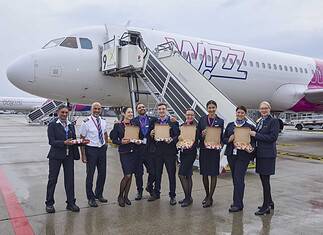
The focus isn’t just on traditional holiday destinations: Nuremberg Airport, together with the airline Wizz Air, has significantly expanded its route network to Eastern Europe. New destinations in Romania, such as Timisoara and Brașov, complement the portfolio. There are also connections to Moldova, North Macedonia, and Bulgaria, serving both tourist and business travel purposes. This expansion contributes to the development of new markets and increases the airport’s attractiveness for various passenger groups.

The new connections will significantly enhance opportunities for city breaks, cultural exploration, and business relations in these countries. This expansion also reflects the geopolitical and economic developments in Eastern and Southeastern Europe, which are increasingly perceived as attractive regions for tourism and trade.

Furthermore, Nuremberg Airport is optimistic about the future. Many holiday destinations for 2026 are already available for booking, confirming forecasts of continued high demand and a growing desire to travel among the population. The availability of this information both in travel agencies and soon on the airport’s official website will make planning and booking easier for potential travelers.

Conclusion: Nuremberg Airport as a growing hub for diverse travel

Nuremberg Airport has developed into a major traffic hub in southern Germany in recent years. Forecasts for the fall holiday season, with up to 140,000 passengers and 950 takeoffs and landings, underscore the airport’s attractiveness and performance. In particular, the steadily growing passenger numbers reflect the increased interest in a wide range of destinations, including not only traditional holiday destinations such as Antalya, Hurghada, and Mallorca, but also new destinations in Eastern Europe.

The new winter flight schedule, with over 40 direct connections, offers not only a wide range of sunny destinations but also a valuable selection for city breaks and business travelers. The addition of Sharm el-Sheikh and the high frequency of flights to Hurghada demonstrate the airport’s flexibility in responding to demand. At the same time, new connections in Eastern and Southeastern Europe will meaningfully expand the route network, further strengthening regional economic connections.

This positions Nuremberg Airport as a key player in the German aviation market, meeting the needs of diverse passenger groups. The comprehensive booking options for travel through 2026 demonstrate the foresight and planning strength that are sustainably preparing the airport for the future. For travelers from the metropolitan region, this means high travel flexibility and a diverse offering that equally favors leisure and business travel and meets the high standards of modern air transport.

Munich Airport presents winter flight schedule with new destinations and expanded connections

Introduction of the new winter flight schedule at Munich Airport

Munich Airport is preparing for the upcoming winter season and is presenting its new winter flight schedule, valid from October 26, 2025, to March 28, 2026. This comprehensive schedule provides passengers from Munich with access to a total of 184 destinations in 68 countries. The diversity of the offering is remarkable: In addition to eleven destinations within Germany, the winter flight schedule includes 119 medium-haul connections and 54 long-haul routes. A total of 81 airlines will fly to numerous destinations worldwide from the Bavarian hub this winter. This broad offering strengthens Munich Airport’s role as a major aviation hub in Europe and offers a wide range of options, especially for business and leisure travelers.

Extensions on long-distance routes and new tourist destinations

On long-haul routes, Lufthansa is strategically expanding its route network by resuming service to the Saudi Arabian capital, Riyadh. The Airbus A350-900 aircraft, operated three times a week, connect Munich with the kingdom on the Red Sea and the Persian Gulf, opening up new options not only for business travelers but also for tourists. This route was already part of Lufthansa’s offerings in 2017, so its resumption is seen as a sign of increasing demand. In addition, connections to the economically important metropolises of Johannesburg and São Paulo are returning to the schedule, sustainably strengthening the airport’s global connections.

Starting at the end of October, Lufthansa’s A380 fleet will serve central cities such as Bangkok, Delhi, Los Angeles, and San Francisco. Of particular note is the new long-haul connection from Discover Airlines, a Lufthansa subsidiary, which offers up to three flights weekly to Punta Cana in the Dominican Republic. This route specifically targets customers seeking warmer destinations during the cold European winter and is increasingly tourist-oriented.

Other established long-haul services will remain in place: Cathay Pacific will continue to connect Munich with Hong Kong four times a week, using modern Airbus A350 aircraft. EVA Air will also continue its service with four non-stop flights during the winter, with the new Premium Economy Class on its Boeing 787-9 Dreamliner significantly enhancing the passenger experience. This continuity and renewal reflect a flexible adaptation of the flight schedule to the needs of discerning long-haul travelers.

New impetus in medium and short-haul transport

There are also numerous innovations in the medium- and short-haul segment, focusing on additional connections and thus improved international connectivity. For example, Royal Air Maroc has resumed its direct flights between Munich and Casablanca starting October 20, 2025. With two weekly flights, the Moroccan national airline offers convenient connections to various destinations in West and Central Africa, including Gambia, Nigeria, Ghana, Senegal, and Ivory Coast. This connection is particularly important for business travelers and tourists who want to explore the region.

Starting in mid-December 2025, Air Arabia will expand its service with daily flights from Munich to Sharjah. The Emirate of Sharjah, located in close proximity to Dubai, is becoming increasingly attractive to travelers as the cultural center of the United Arab Emirates. The inclusion of Munich as the first German destination for scheduled flights from Sharjah underscores the growing importance of this connection in European-Middle East traffic.

Within Europe, several airlines are expanding their destination portfolio. Norwegian is launching two weekly flights from Munich to Tromsø, a city in the far north of Norway, in its winter schedule. The region is a popular destination during the cold season, particularly due to its spectacular Northern Lights. In addition, the Romanian capital Bucharest will be connected to Munich by two new airlines, FlyOne Romania and AnimaWings, further promoting exchange within Europe.

EasyJet is strengthening its connection to Great Britain with three weekly flights to the port city of Bristol, which boasts historic architecture and cultural diversity. Aegean Airlines is also extending its route to Heraklion beyond the summer season for the first time and offering two weekly flights in the winter. Transavia has been flying three times a week between Munich and Paris-Orly since April, a service that will continue throughout the winter.

Significance and opportunities for air traffic at the Munich hub

With this comprehensive winter flight schedule, Munich Airport is demonstrating its role as a particularly versatile and important air traffic hub. Airlines and tour operators benefit from the wide range of connections, which enhance the experience not only for business travelers but also for leisure travelers. The integration of new long-haul connections in warmer climates counteracts seasonal fluctuations in passenger volumes and promotes aircraft utilization during the cold season.

The expansion of medium-haul routes, particularly through the resumption of routes to North Africa and the promotion of culturally significant destinations such as Sharjah and Tromsø, also ensure stronger connectivity and support air traffic in times of geopolitical and economic challenges. With the new flight schedule, airlines are further expanding their market positions in key regions and opening up new business and travel opportunities.

These developments also demonstrate the adaptability of airlines and the airport to changing market demands and global mobility trends. Combined with the innovative air traffic infrastructure at Munich Airport, this makes Munich a destination that is increasingly attractive to passengers from all over the world. The diversity of offerings reflects Munich’s importance as an international aviation center in Europe.

Conclusion: 184 destinations around the world

Munich Airport’s upcoming winter flight schedule offers a comprehensive and diverse range of options for travelers of all kinds, with a total of 184 destinations in 68 countries. The return and strengthening of long-haul connections, particularly the resumption of the route to Riyadh and the expansion of tourist destinations such as Punta Cana, demonstrate a clear focus on new market needs. At the same time, new medium- and short-haul connections – such as to Tromsø, Casablanca, and Sharjah – create attractive travel options that also underscore the region’s economic importance.

Through its network with established airlines such as Lufthansa, Cathay Pacific, and EVA Air, Munich Airport remains an important hub for international air traffic. The diverse offering, strategically differentiated destinations, and the continuity of established routes make the 2025/2026 winter flight schedule a significant step for mobility in a European and global context. Passengers benefit from new options, more efficient travel routes, and convenient connections. For the aviation industry, these expansions reflect dynamic growth and future-oriented planning at the Munich hub.

Europe’s communications satellite SpainSat NG-II launched for Spain

0

Introduction to the SpainSat NG-II project

In a significant advance in satellite communications, SpainSat NG-II, the second new-generation secure communications satellite built by Airbus for Spain, was recently successfully launched from the Kennedy Space Center in the United States. This event marks a significant milestone for the country, as it concludes the ambitious SpainSat NG program – considered the most ambitious space project in Spain’s history and the most advanced government communications system in Europe. The program was significantly driven by the Spanish operator Hisdesat under the direction and sponsorship of the Ministry of Defense. The deployment of these satellites symbolizes a significant step forward in technological innovation and strategic communications for Spain and its allies.

The new generation of satellites is expected to enter joint service with the Spanish Armed Forces, international organizations such as the European Commission in the GOVSATCOM program, NATO, and other allied governments starting in spring 2026. This deployment is intended to ensure that Spain and Europe continue to have access to highly secure and reliable networks, which is extremely important given the increasing geopolitical challenges.

Technological innovations of SpainSat NG-II

SpainSat NG-II is based on Airbus’ Eurostar Neo platform and is approximately seven meters long and weighs around six tons. Its extensive technological innovations make the satellite a reflective example of state-of-the-art satellite-based communications technology. A key feature is its innovative payload system, which includes an active X-band antenna system for transmitting and receiving – comparable to the functionality of 16 conventional antennas. This enables exceptionally reliable and flexible communications, which is crucial for both military and government missions.

The antenna system can adjust its coverage up to 1,000 times per second, allowing it to respond to threats or requirements with high responsiveness. Furthermore, the system has the ability to precisely eliminate and locate jamming attempts, significantly increasing communications security. Given the increasingly complex threats in space, the active antennas are also hardened to provide protection, particularly against potential nuclear electromagnetic pulses, which could otherwise significantly impact satellite communications.

The entire payload, which makes up about half of the satellite, was developed and manufactured by the Spanish space industry under the leadership of Airbus, underlining the country’s high level of technological independence and expertise in the field of space technology.

Importance for security and strategic autonomy

The SpainSat NG-II project exemplifies the growing importance of secure satellite communications in numerous applications. These include not only military operations, but also humanitarian and rescue missions, where robust and interference-resistant communications channels are vital. With the implementation of this state-of-the-art system, Spain is positioning itself as a pioneer in Europe and one of the few countries worldwide with access to such advanced communications networks.

This capability secures Spain’s strategic autonomy and sovereignty, as well as that of its allies, since dependent or unsecured communications could pose significant risks in political and military contexts. Access to a reliable and flexible satellite-based communications system also enables real-time crisis response and control over communications infrastructures, which is invaluable in today’s geopolitically uncertain world.

The development and integration of active antennas was supported by international collaborations such as the Pacis 3 ESA-Hisdesat partnership and ESA ARTES programs, with significant funding from the Spanish Space Agency. This collaboration demonstrates the importance of multinational cooperation in promoting technological innovations that ultimately deliver security-relevant communications capabilities for multiple allies.

SpainSat NG-II: Future prospects and possible applications

With the launch of SpainSat NG-II, the technical foundation has been laid for a comprehensive, secure communications network intended for a variety of stakeholders and missions. These include the Spanish Armed Forces, international organizations such as the European Commission, which is involved in the GOVSATCOM program, as well as NATO and other friendly governments. The expected commissioning in spring 2026 is a significant step towards a connected, resilient, and sovereign communications infrastructure.

Spain will thus be able to rely on highly secure, flexible, and resilient satellite communications, whose innovative technology makes them robust even against interference and attacks. This capability is essential for information exchange in military operations and for supporting crisis response, where communication is often a matter of life and death. Furthermore, with this project, Spain is positioning itself as an important hub for the European security architecture in space.

This progress underscores the increasingly important role of space technology in national security and geopolitical strategy. The integration of such systems into multinational programs further highlights the need for close cooperation and harmonization among various actors to achieve common security goals.

Conclusion: Secure satellite communications for military and humanitarian missions

The successful launch of SpainSat NG-II represents an outstanding achievement for the Spanish space industry and completes the ambitious SpainSat NG program, considered one of the most advanced government communications systems in Europe. The combination of innovative technologies, such as the active X-band antenna system, and the ability to withstand jamming and electromagnetic interference, provides Spain and its allies with unparalleled secure and flexible communications capabilities.

Given the increasing importance of secure satellite communications for military and humanitarian missions, as well as strategic autonomy, the project represents an important contribution to the sustainability and resilience of the European security infrastructure. It demonstrates how technological innovation and international cooperation work together to meet modern requirements for sovereign communications in space.

Ultimately, SpainSat NG-II not only strengthens Spain’s capabilities but also its ability to cooperate with international partners, supporting political and military cooperation within Europe and beyond. These developments are groundbreaking for future projects in secure satellite communications and mark a significant advance in space and defense policy.

Overall, this project highlights the importance of leading technologies and strategic vision for tomorrow’s security and communications infrastructure, while positioning Spain as a key power in the field of satellite technology.

Ariane 6 engine production to be located in Lampoldshausen

Progress in the production of the upper stage engine for Ariane 6

The transfer of production of the Vinci upper stage engine for Ariane 6 to ArianeGroup Germany marks a significant milestone in the European space industry. Final assembly of the engine will be carried out at the Lampoldshausen site, a facility of the German Aerospace Center (DLR). This includes the complex assembly of key components such as turbopumps, valves, and thrust chambers, which are combined to form a flight-ready engine. Comprehensive testing will then take place on the P4.1 test bench, designed to simulate real-world altitude conditions, to ensure the engine’s performance and operational readiness for flight operations. The collaboration between ArianeGroup and DLR, formalized by a memorandum of understanding on October 24, 2025, represents a strategic bundling of integration and testing processes and strengthens the Lampoldshausen site as the heart of European space development.

Integration and central importance of the DLR site in Lampoldshausen

The relocation of final production and system integration of the Vinci engine from Vernon, France, to Germany marks another decisive step toward strengthening industrial capacity in Europe. While engine installation will continue in Bremen, Lampoldshausen will establish itself as a European center for testing and further development of space propulsion systems. DLR Executive Board Chair Prof. Dr.-Ing. Anke Kaysser-Pyzalla emphasizes the unique infrastructure and the high level of commitment of the team at the site, which is of key importance for Europe’s independent access to space. This cooperation between DLR and ArianeGroup reflects not only technological excellence but also the intensive knowledge and technology transfer that strengthens Germany and Europe in the global space industry.

The site is equipped with numerous modern test benches and boasts many years of experience in the development and qualification of rocket engines. The decision to concentrate final assembly and testing of the Vinci engine here demonstrates the trust in the technical expertise and innovative strength that are concentrated in Lampoldshausen. Dr. Walther Pelzer, member of the DLR Executive Board and Director General of the German Space Agency, sees this development not only as an economic strengthening of Germany as a high-tech location, but also as an important contribution to securing Europe’s technological sovereignty.

Final assembly of Ariane Vinci upper stage engine to be carried out in Lampoldshausen
Final assembly of Ariane’s Vinci upper stage engine to be carried out in Lampoldshausen: In the future, ArianeGroup Germany will manufacture the upper stage engine for the Ariane 6 launch vehicle – Vinci – in Lampoldshausen. DLR and ArianeGroup jointly supported this step. The corresponding agreement was signed on October 24, 2025, by ArianeGroup Germany and ArianeGroup France, as well as DLR, in Lampoldshausen. From left: Philippe Clar, Director of Space Transportation Programmes ArianeGroup; Jens Franzeck, Chief Industrial Officer ArianeGroup; Prof. Dr.-Ing. Anke Kaysser-Pyzalla, Chair of the DLR Executive Board; Pierre Godart, Chief Financial Officer ArianeGroup; Dr. Walther Pelzer, DLR Executive Board Member and Director General of the German Space Agency at DLR; and Toni Tolker-Nielsen, ESA Director of Space Transportation. (© DLR)

The Vinci engine as a motor for Europe’s access to space

The Vinci engine, developed as the upper stage engine for Ariane 6, plays a central role in the performance of the European launch vehicle. The engine’s outstanding features include a long service life and the ability to be fired multiple times. This makes Ariane 6 extremely flexible and capable of efficiently implementing diverse payload configurations and missions. Of particular note is the use of liquid hydrogen and oxygen as a propellant combination, which is one of the most powerful and environmentally friendly propulsion options.

Germany is making a significant contribution to the development of the Ariane 6 with approximately €800 million. The German Space Agency (DLR) coordinates the funds, ensuring coordinated participation in this important European project. The production of the thrust chambers in Ottobrunn and key technological innovations from Vernon in Normandy underscore the Franco-German collaboration that has significantly shaped the Vinci engine.

Europe-wide importance of the competence center for space propulsion

Lampoldshausen has served as an indispensable center of excellence for liquid rocket engines in Europe for decades. The test benches there enable a wide range of tests, from basic research to flight qualification of the engines. The qualification process for the Vinci engine, previously conducted at the site on the realistic P4.1 test bench, represents an outstanding achievement and is unique in Europe.

The future integration of manufacturing, integration, and final testing will pool expertise and resources to increase the competitiveness of European space travel. This will position Lampoldshausen as a key building block for a sovereign space infrastructure that not only brings economic benefits but also provides strategic security in the global race for access to space.

Conclusion: Strengthening industrial and technological space competence in Europe

The future production and final assembly of the Vinci upper stage engine in Lampoldshausen represents a logical further development of European space capabilities. Consolidating integration and testing within Germany not only creates highly qualified jobs but also consolidates technological sovereignty in the field of space propulsion. The cooperation between ArianeGroup and DLR strengthens the German-French partnership and underscores the shared goal of ensuring Europe’s independent access to space.

The combination of advanced production, demanding qualification tests, and ongoing innovation makes the Lampoldshausen site a crucial factor for the success of Ariane 6 and beyond. The use of efficient propellant technologies and the Vinci engine’s ability to be re-ignited open up a wide range of possibilities for future space missions.

Overall, this development reflects Europe’s ambition to position itself as a technologically leading and sovereign player in the space sector. The expansion of manufacturing capacities and close cooperation between industry and research will ensure the long-term innovative strength and competitiveness necessary to meet the challenges of modern space travel and create new opportunities in the exploration of space.

Air France direct flights from Paris to Las Vegas start in summer

Introduction of the new flight connection from Paris to Las Vegas

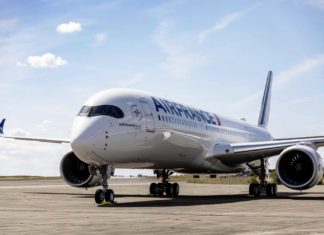
With the announcement of a new flight from Paris-Charles de Gaulle to Las Vegas starting April 15, 2026, a major European airline is expanding its international route network. This connection will offer three weekly non-stop flights between the French capital and the iconic desert metropolis in the southwestern United States. The launch of this route will take place as part of the summer flight schedule, which runs from March 29 to October 24, 2026. With modern Airbus A350-900 aircraft, passengers on this route will enjoy comfort and the latest technology.

This new route is a significant step for the airline and underscores the importance of Las Vegas as an emerging destination for European travelers. With a wide range of leisure activities, proximity to renowned national parks, and its reputation as an entertainment hub, Las Vegas continues to gain importance in the international tourism landscape. This is also reflected in the expanded range of direct flights.

Detailed flight times and comfort on board

The flights depart from Paris Charles de Gaulle Airport on Mondays, Wednesdays, and Saturdays at 1:40 p.m. local time. Arrival in Las Vegas is scheduled for 3:35 p.m. local time. The return flight is scheduled to depart Las Vegas daily at 5:50 p.m., arriving in Paris the following day at 1:05 p.m. For this intercontinental route, the airline will operate the A350-900, a long-haul aircraft known for its efficiency, lower fuel consumption, and high levels of passenger comfort. This aircraft also offers a pleasant cabin environment with improved air quality and quiet flight, which is especially appreciated on long-haul flights.

These carefully timed flight schedules allow business and leisure travelers alike to optimally plan their travel plans. By selecting three weekly flight days, a good balance between flexibility and capacity utilization is achieved, further strengthening trade relations and tourism between Europe and the American West Coast.

Overview of the airline’s route network in the USA

Las Vegas is the nineteenth destination in the United States served by this European airline. The US route network includes major cities such as Atlanta, Boston, Chicago, Dallas/Ft. Worth, Denver, Detroit, Houston, Los Angeles, Miami, Minneapolis/St. Paul, New York-JFK and New York-Newark, Orlando, Phoenix, Raleigh/Durham, San Francisco, Seattle, and Washington, D.C. This broad selection reflects the country’s strategic importance for international air traffic and tourism.

Furthermore, the addition of Las Vegas to the flight schedule also marks the airline’s 26th destination in North America. This expansion underscores the airline’s interest in establishing a stronger presence in one of the world’s most important aviation markets. It also offers new options for passengers planning both leisure and business trips.

In parallel, Las Vegas is also regularly served by KLM, which offers flights from Amsterdam Airport Schiphol with a frequency of up to seven times a week. The two airlines, which are part of the same airline alliance, complement each other through this joint service, enabling better connectivity between Europe and the USA.

Las Vegas – A versatile travel destination between desert and entertainment

Nestled in the Mojave Desert of the US state of Nevada, the city of Las Vegas is widely known as a global entertainment metropolis. It is located at the intersection of the states of California, Arizona, and Utah. This geographical position makes the city not only a hotspot for urbanites but also an ideal starting point for exploring the surrounding natural landscapes.

Las Vegas captivates visitors from all over the world with its impressive casino resorts, whose unique architecture and wide range of leisure activities attract visitors. The city’s vibrant cultural scene offers spectacular shows, as well as a variety of museum visits and interactive exhibitions, ensuring a diverse experience. Furthermore, the city’s surrounding area is rich in opportunities for outdoor activities, which are particularly appealing to families and make the destination a versatile destination.

Las Vegas captivates visitors from all over the world with its impressive casino resorts, whose unique architecture and wide range of leisure activities attract visitors. The city’s vibrant cultural scene offers spectacular shows, as well as a variety of museum visits and interactive exhibitions, ensuring a diverse experience. Furthermore, the city’s surrounding area is rich in opportunities for outdoor activities, which are particularly appealing to families and make the destination a versatile destination.

Economic and tourist significance of the new connection

The opening of the route between Paris and Las Vegas is of strategic importance not only for the airline itself, but also for the economies of both cities. Improved access for European tourists can have a positive impact on tourism in Las Vegas, which plays a major role in the local economy. Service companies and tour operators also benefit, as the direct connection facilitates new market access and collaboration.

In addition, the new flight route also brings advantages for business travel and cultural exchange. Companies benefit from faster connections between Europe and the US, which supports international trade and cooperation in various industries.

The decision to operate the modern Airbus A350-900 underscores the airline’s commitment to promoting sustainable aviation with a focus on environmental protection. This aircraft model is recognized for its fuel efficiency and reduced emissions, which are becoming increasingly important in the context of increasing environmental requirements.

Conclusion: A significant milestone for international travelers

With the launch of the new flight connection between Paris-Charles de Gaulle and Las Vegas, European travelers gain direct access to one of the most exciting and diverse travel destinations in the USA. This connection significantly expands the offering in North America and meets the growing demand for sustainable and comfortable direct flights.

Las Vegas offers a fascinating mix of entertainment, culture, and nature experiences, ideal for both short breaks and longer stays. The integration of this route into the airline’s network presents an attractive new option for passengers, benefiting both business and leisure travelers.

The use of modern technology and synchronization with existing connections ensure that passengers can travel smoothly and comfortably between Europe and America. Overall, this development strengthens the transatlantic connection and provides an important boost for aviation and tourism in the coming decade.

New aviation fuel Swift 100R at Mönchengladbach Airport

The aviation industry in Europe faces major challenges in becoming more environmentally conscious and sustainable. A decisive step in this direction has now been taken at Mönchengladbach Airport: the first public refueling station for the innovative, unleaded aviation fuel Swift 100R has gone into operation there. This new service marks a significant step forward in general aviation and is intended to help reduce dependence on conventional Avgas 100LL, which still contains lead. The launch was part of an initial trial phase designed to enable international aviation stakeholders to actively test and implement sustainable alternatives. The significance of this development is reflected in the voices of the leaders of Swift Fuel GmbH, Bollinger Aviation, and Mönchengladbach Airport itself, who are jointly pursuing the goal of making aviation more environmentally friendly and future-proof.

Innovative features of Swift 100R

As an unleaded aviation fuel, Swift 100R offers a motor octane rating of MON 100 and thus the same performance as the previously standard Avgas 100LL. It is particularly noteworthy that this fuel can be used in approved aircraft without technical modifications, which significantly simplifies its introduction. Furthermore, the fuel is compatible with existing aviation fuels and can be easily blended. Currently, Swift 100R is primarily approved for the widely used Cessna 172 S and R models with a Supplemental Type Certificate (STC). This certification mechanism allows the new fuel to be used legally and safely in operation, which is of great importance for flight schools, private pilots, and companies in the general aviation sector. Furthermore, Swift Fuel GmbH plans to expand approvals to include additional aircraft types and engines to increase acceptance and widespread use of the fuel.

The technical development of Swift 100R is a prime example of modern innovations in sustainable aviation fuels, bridging the gap between the requirements of the aviation industry and environmental standards. The avoidance of lead – a highly hazardous heavy metal—represents a significant advance, as Avgas 100LL has been one of the last remaining leaded fuels used in aviation for decades.

Sustainability aspects and future potential

Swift 100R is not only about eliminating lead, but also about a clear focus on renewable components. The “R” designation indicates the proportion of renewable raw materials used in the fuel. The fuel already contains biocomponents from sustainable sources. These can be expanded in the future, significantly contributing to reducing greenhouse gas emissions and paving the way for more climate-friendly aviation. Dr. Thomas Albuzat, Managing Director of Swift Fuel GmbH, emphasizes that this concept not only addresses an environmental challenge but also opens a new chapter in aviation fuel development.

This innovative approach is in line with the entire aviation industry’s long-term goal of reducing CO₂ emissions and achieving Europe’s climate protection targets. The combination of technical efficiency, regulatory approval, and a clear contribution to reducing harmful emissions makes Swift 100R a sustainable alternative to conventional fuels. Furthermore, compatibility with existing aircraft supports the fuel’s rapid market ramp-up.

Strategic importance for Mönchengladbach Airport

With the introduction of Swift 100R, Mönchengladbach Airport is sending a clear signal of its ambitious strategy toward climate-friendly technologies and sustainable development. The cooperation with Bollinger Aviation as European sales partner and Swift Fuel as producer highlights the airport’s role as a center of innovation. Andreas Ungar, Managing Director of the airport, describes the partnership as a practical approach to supporting the transformation process within the aviation industry. These types of projects not only strengthen the airport’s profitability but also position it as a pioneer for resource-efficient solutions in the sector.

The airport’s long-standing focus on CO₂ reduction and alternative propulsion technologies is a cornerstone of its strategic direction. In addition to promoting electric and hydrogen-powered aircraft, the availability of modern, sustainable fuels plays an equally important role in Mönchengladbach Airport’s future direction and its attractiveness to operators and flight schools.

Potentials and challenges for general aviation

General aviation faces the challenge of converting its often diverse and heterogeneous fleet of aircraft to more sustainable fuels. The introduction of Swift 100R is a concrete step that is generating momentum in the market. The sustainability of this unleaded fuel meets important environmental requirements, while its compatibility with existing engines facilitates the transition from a technical perspective. This allows flight schools, such as MG Flyers Luftfahrerschule GmbH at Mönchengladbach Airport, to switch to more environmentally friendly fuels without having to make costly technical adjustments.

This transition promotes the preservation of aviation as an important mobility segment and recreational sport, while reducing the industry’s ecological footprint. Nevertheless, it is important to approve additional aircraft types and expand the fuel’s availability nationwide. The ongoing certification processes for various engine types and the commissioning of additional refueling stations would increase acceptance and make its use more attractive for pilots.

Conclusion

The introduction of Swift 100R at Mönchengladbach Airport represents a milestone in the development of sustainable solutions for aviation. Europe’s first public refueling station for this unleaded 100-octane aviation fuel enables general aviation to switch to a fuel-technology-based, environmentally friendly alternative that meets the same quality and performance standards as conventional Avgas 100LL. The combination of legal approval, technical compatibility, and a growing share of renewable feedstocks makes Swift 100R a promising building block for a more climate-friendly aviation industry.

With this initiative, Mönchengladbach Airport is underscoring its position as a pioneer in sustainable aviation technologies. The collaboration between Swift Fuel, Bollinger Aviation, and the airport demonstrates how industry and infrastructure can work closely together to actively drive the transformation process. Aviation can thus contribute to reducing CO₂ emissions without limiting the operational capability of established aircraft. At the same time, this development paves the way for future innovations that will further increase the share of renewable resources and thus support Europe’s climate goals.

These advances clearly demonstrate that sustainable aviation fuels are an essential component of modern aviation and help make air transport more resource-efficient, efficient, and future-proof. The acceptance and expansion of Swift 100R at additional European airports and fleets is therefore likely to have a significant impact on the development of the aviation industry as a whole.

Christoph Niedersachsen: 30 years of modern air rescue in Hanover

Development and importance of air rescue in Lower Saxony

Since commencing operations in October 1995, the intensive care transport helicopter of DRF Luftrettung in Hanover has become an indispensable part of the region’s medical care system. The red and white helicopter takes off around the clock from Hanover Airport to provide rapid patient care and connect hospitals. It plays a key role in the transfer of critically ill patients, particularly in Lower Saxony and the neighboring states. Over the past three decades, the station has continuously expanded its expertise not only through numerous missions but also through technical innovations.

The intensive care transport helicopter is not just a rapid means of transport, but a highly specialized aircraft equipped with modern medical technology and designed for complex care flights. Its ability to respond even under challenging conditions, such as night flights to the East Frisian Islands, underscores the system’s flexibility and robustness. Air rescue is closely coordinated with ground-based rescue services, hospitals, and other partners – a network that significantly supports healthcare in the region.

Technical progress and medical equipment at the Hanover site

Since its founding, the Hanover base has operated various helicopter types. Originally, the Bell 222 was used for air rescue, but shortly thereafter, the aircraft switched to the MD 900, which offered improved flight efficiency and medical technology. The fleet has been further modernized in recent years. From 2010 to 2018, the EC145 served as a reliable workhorse, before the H145 was introduced in 2018. In particular, since June 2021, the base has been equipped with the latest version of the H145 with a five-blade rotor.

This helicopter is characterized by very low vibration, which significantly supports the gentle transport of injured or critically ill patients. The onboard medical technology includes state-of-the-art equipment that meets the highest standards in mobile intensive care medicine. This enables the crew to safely handle not only routine missions but also specialized transports such as incubators and organ transports. The complexity of such missions requires not only modern equipment but also a highly trained team.

The crew includes professional pilots and paramedics with specialized training in air rescue, as well as experienced emergency physicians from the Hannover Medical School. This interdisciplinary collaboration guarantees the highest level of care, whether for routine transfers or emergency responses within a tight timeframe.

Organization, range of operations and cooperation of rescue services

The radio call sign “Christoph Niedersachsen” has always stood for 24-hour readiness, allowing the Hanover base to respond quickly to missions on weekdays and weekends. The primary task is the transfer of patients requiring intensive care, as the helicopter is specifically designed to quickly transport specialized medical teams and equipment between hospitals. This service covers not only Lower Saxony, but neighboring federal states are also included in the mission planning.

The range of missions is broad: In addition to the traditional transport of intensive care patients, the focus is also on emergency missions within a radius of approximately 60 kilometers. Particularly noteworthy are the night missions to provide care to the East Frisian Islands, where air transport is often the only option for rapid medical assistance. This diversity of tasks places high demands on navigation, piloting skills, and medical expertise.

Close cooperation with other rescue services plays a key role. DRF Air Rescue works hand in hand with ground-based rescue services, fire departments, hospitals, and the Coordination Center for Intensive Care Transport in Lower Saxony. This cooperation enables optimal planning and execution of emergencies and transfers. In addition, the state of Lower Saxony supports the station through a trusting partnership that guarantees sustainable development and the use of modern air rescue technology.

Conclusion: Advanced air rescue as a guarantee for rapid medical assistance

The station in Hanover is an impressive example of the successful integration of technological advances and medical expertise in the field of intensive care transport. Over 30 years of successful missions testify to the high performance of air rescue in the state of Lower Saxony and beyond. The modern H145 helicopter with its five-blade rotor, the qualified crews, and the close network with various partner institutions form a well-coordinated system to ensure rapid and gentle patient care.

This continuous improvement process demonstrates how medical care can be adapted and optimized through technological innovations and the dedicated efforts of rescue personnel. This service is invaluable, especially in challenging situations such as complex transfers or difficult-to-access locations. Thus, air rescue in Hanover remains a key pillar of healthcare and a symbol of successful cooperation and progress in the rescue service.

Air defense: Germany invests in new Eurofighters and technologies

0

Germany’s decision to significantly increase its defense capabilities by ordering 20 new Eurofighter fighter jets sends a clear signal for the future of air defense in Europe. Airbus will produce these multi-role combat aircraft at its final assembly plant in Manching near Munich. The first of the new aircraft is expected in 2031, with delivery of the last unit planned for 2034. This fleet expansion reflects the strategic importance of the Eurofighter for the German Air Force and the NATO alliance. In addition to its military significance, the program is also gaining importance in the areas of technological innovation and economic stability. Germany is thus pursuing the goal of strengthening its air surveillance capabilities and sustainably consolidating Europe’s security architecture.

Strategic importance of the Eurofighter for Germany and Europe

The Eurofighter has been a mainstay of European air defense strategy for years and plays a key role for the German Air Force. Michael Schöllhorn, CEO of Airbus Defence and Space, emphasizes the importance of this new order as a sign of the Eurofighter’s continued relevance within NATO and for Germany’s alliance capabilities. The expansion of the fleet will significantly improve the ability to effectively protect German airspace and NATO territory. Strong air defense is essential, especially in a geopolitically unstable environment. Integration into the Future Combat Air System (FCAS) also ensures a technological bridge to the future generation of combat aircraft, positioning the Eurofighter not only as a powerful aircraft of the present, but also as part of a long-term concept. This networking of various manned and unmanned systems promises even greater flexibility and operational capability for the air force.

The FCAS is scheduled to be operational by 2040 and represents an innovative milestone in the coordination of modern air force fleets. The seamless integration of the Eurofighter into this system ensures that the aircraft will continue to play a key role in air superiority in the coming decade. This enables Germany to combine cutting-edge defense technologies with proven combat technology, ensuring a strong and reliable security partnership within Europe.

Technological upgrade and modern capabilities of the Eurofighter

Airbus is equipping the new Eurofighters with innovative sensor systems that guarantee a significant improvement in surveillance and combat capabilities. A prominent feature is the E-Scan electronic radar, which enables detailed and rapid detection of aerial targets. Furthermore, electronic warfare capability will be integrated into the entire German Eurofighter fleet. The Saab Arexis sensor system used for this purpose is installed in both existing and new aircraft and expands the mission profile with important electronic countermeasures and detection technologies.

These modernizations significantly expand the Eurofighter’s already versatile operational spectrum. They not only enable precise strikes but also provide protection against enemy electronic jamming. This makes the Eurofighter a highly flexible instrument capable of responding to a wide range of threats and ensuring air superiority even under complex conditions. These technical innovations provide crucial support for the development of a networked air combat system architecture.

In addition to the pure technology, production also takes a highly economic perspective. Final assembly in Manching near Munich ensures that Germany maintains high added value and technological sovereignty in the defense sector. This also contributes to securing numerous jobs that are of great importance for the region’s economic stability.

Economic and security policy impacts of the program

As Europe’s largest defense program, the Eurofighter is proving not only a security-relevant instrument but also a key driver of growth and employment. Over 100,000 jobs across Europe are directly or indirectly linked to the program, with 25,000 of these jobs located in Germany alone. The collaboration with 120 German suppliers demonstrates the broad industrial base behind the successful Eurofighter model and makes Germany a strong partner in the European defense community.

A total of nine countries have ordered more than 740 Eurofighter aircraft, underscoring the global importance and confidence in this European fighter aircraft. In addition to Germany, users include Italy, Spain, Great Britain, Austria, Saudi Arabia, Oman, Kuwait, and Qatar. This diversified user base creates a stable market and secures long-term production capacity and the further development of the system.

The Eurofighter’s long-term operational planning, extending into the 2060s, guarantees the sustainable security of Germany’s Air Force. At the same time, the program positions itself as an important building block in the common European security architecture. Compatibility with future developments such as the Future Combat Air System makes the Eurofighter a key element that combines flexibility and modernity.

Conclusion: Air Force will be sustainably upgraded

With the increased order for Eurofighter fighter aircraft, Germany is sending a clear signal for the future of its military air defense and for the strengthening of European security systems. By integrating state-of-the-art sensor and electronic warfare technologies, the Air Force will be sustainably upgraded and prepared for the challenges of the coming decades. The Eurofighter’s role as a central pillar in the FCAS project ensures its integration into modern, networked air combat systems, thus making a significant contribution to future air superiority.

Furthermore, the expansion of the Eurofighter fleet demonstrates a clear commitment to European defense cooperation while simultaneously promoting the industrial base and securing jobs in Germany and beyond. Overall, the program stands for greater security, technological excellence, and economic stability in an increasingly uncertain world. The coming years will show how these investments translate into concrete operational capabilities and strengthen the Air Force’s role as a reliable partner within Europe and NATO.

Air Astana sets standards: Parallel C-checks for Airbus A320 aircraft

Introduction to complex aircraft maintenance at Air Astana

The aviation industry places the highest value on safety and reliability, which is why regular maintenance of commercial aircraft is essential. Comprehensive inspection measures, such as the six-year C-check and the twelve-year C-check, are essential to ensuring the operational capability and safety of modern aircraft. For the first time, the Air Astana Group performed these two demanding maintenance cycles simultaneously at its maintenance center in Astana. The maintenance focused on aircraft of the Airbus A320 family, specifically an Airbus A321neo and an Airbus A320neo. This premiere not only represents a milestone for the company but also underscores the Air Astana Group’s high commitment to quality and safety in the field of aircraft maintenance and technical aircraft support.

The complexity of such maintenance can hardly be overestimated, as they go beyond mere inspections and involve the complete disassembly of the aircraft. This requires not only in-depth technical understanding and excellent specialist personnel, but also compliance with the strictest international safety standards. Furthermore, the extensive maintenance work is followed by responsible test flights to ensure that the aircraft has regained its full functionality. The following text delves deeper into the process, significance, and challenges of these special C-checks, while also highlighting Air Astana’s contribution to maintenance excellence.

Meaning and content of C-checks in civil aviation

The maintenance of commercial aircraft is divided into different inspection intervals, of which the C-check is considered one of the most intensive. A six-year C-check is a routine, yet highly detailed, maintenance check, often referred to as a “Heavy Maintenance Visit” (HMV). During this inspection, numerous systems are checked, wear parts are replaced, and the aircraft undergoes a thorough assessment. The focus is on both the mechanical integrity and functionality of the aircraft components. The goal is to identify potential defects early, before they could compromise flight safety.

The twelve-year C-Check goes significantly further: In addition to regular maintenance, it focuses on extended inspections of the aircraft fuselage and structural components. This examination can identify signs of material fatigue or incipient corrosion damage, which, if left undetected for an extended period, could have serious consequences. Therefore, this check also includes structural tests, detailed ultrasound measurements, and the disassembly of certain components for refurbishment or replacement. The necessity of such extensive maintenance is not only required for safety reasons; it also contributes significantly to the efficiency and reliability of aircraft in scheduled service.

From a technical aircraft maintenance perspective, C-checks are challenging tasks that require a high degree of coordination between specialist departments. These include mechanical maintenance, the inspection of electrical systems, and the certification and documentation of the work. Only through this comprehensive approach can it be ensured that the aircraft is optimally equipped for flight operations after a complete overhaul.

Technical expertise and infrastructure at Air Astana

The execution and success of such C-checks depend on highly trained personnel and suitable facilities. The Air Astana Group has laid a solid foundation at its maintenance centers in Astana and Almaty to meet the increasing demands of modern aircraft fleets. Since 2019, the company has already successfully completed 42 C-checks – a testament to its existing technical expertise.

The latest project, the parallel performance of six- and twelve-year C-checks, requires careful planning and the deployment of highly qualified technicians, engineers, and inspectors. These personnel must be familiar with the latest methods to safely implement complex diagnostic procedures and maintenance measures. Compliance with internationally recognized aviation standards and guidelines, such as those of the EASA or the FAA, is also crucial to guarantee flawless results.

Infrastructure also plays a key role: The maintenance hangars are equipped with state-of-the-art technology that not only enables efficient disassembly and assembly, but also allows for precise component analysis. This includes computer-assisted testing systems, high-resolution ultrasound equipment, and dedicated painting and corrosion protection areas. This equipment is essential for meeting the strict aircraft safety and quality requirements that are part of the agenda for a twelve-year C-check.

Insights into the first parallel six- and twelve-year C-checks

The simultaneous maintenance of an Airbus A321neo for Air Astana and an Airbus A320neo for FlyArystan marks a technological advancement and an organizational achievement for the Air Astana Group. Both aircraft are members of the modern Airbus A320 family, currently among the world’s most popular and efficient medium-haul jets. This chosen combination demonstrates the versatility and technical expertise of the maintenance team.

The six-year C-check for the A321neo was well prepared and included a comprehensive inspection of the engines, control surfaces, landing gear, and cabin systems. Disassembly involved not only the careful removal of large attachments but also the detection of invisible material fatigue or technical defects. After the repair and maintenance work was completed, a comprehensive test program was carried out to reconfirm the flight characteristics.

At the same time, the twelve-year C-check for the A320neo presented an even more demanding challenge. Specialized testing procedures were used to uncover potential structural weaknesses. Every part showing signs of wear was thoroughly examined and, where necessary, restored or replaced. Thanks to the high technical level and discipline of the maintenance team, these complex tasks were successfully completed.

Managing these two maintenance projects simultaneously required precise time and resource management—from spare parts and equipment utilization to staff scheduling. The fact that the work proceeded smoothly speaks volumes about the professionalism and organization of Air Astana’s maintenance units.

Conclusion

The first simultaneous performance of a six-year C-check and a twelve-year C-check in the Air Astana Group exemplifies the importance of meticulous aircraft maintenance in modern aviation. The demanding maintenance work included not only the complete disassembly and testing of complex aircraft systems, but also compliance with international standards, which are essential due to safety requirements. It demonstrates the high level of expertise of the technical staff and the outstanding equipment of the maintenance centers in Astana and Almaty.

The Air Astana Group has thus demonstrated sustainability and reliability in its maintenance management and strengthened its position as a responsible and safety-oriented player in the international aviation market. Furthermore, the technical support of aircraft such as the Airbus A321neo and A320neo was another important step in ensuring long-term, high-quality flight operations. Pilot projects and innovations such as these contribute significantly to the further development of the aviation industry and help guarantee the highest level of flight safety.

Consistent implementation of demanding maintenance specifications and a focus on technical expertise not only ensures safe flight operations today, but also safeguards the future viability of the aircraft. This impressively demonstrates how maintenance processes form the basis for technical reliability and customer satisfaction, which is of fundamental importance for airlines like Air Astana.

Quantum communication: From aircraft to ground stations and the quantum internet

Quantum communication via mobile platforms: A milestone for the future

In the world of modern communications, the secure transmission of information represents an essential cornerstone. With increasing interconnectedness and the growing importance of digital data, the risk of unauthorized access by third parties is also growing. Quantum communication offers innovative possibilities for fundamentally improving the security and integrity of data transmission. Particularly noteworthy are the recent successes in transmitting single photons from an aircraft to a ground station, paving the way for a quantum-secure communications network.

This experimental flight project focuses on two central challenges: First, it involves the generation and targeted emission of individual photons — the light-quantized particles—from a moving aircraft, which is already a technical feat. Second, these individual photons must be captured and precisely detected on the ground without losing their quantum mechanical properties. Scientists from various renowned institutes have now proven that this is not only technically feasible but also robust enough to establish multiple quantum channels. This opens up perspectives for quantum key distribution and the construction of a global quantum internet.

Highly complex quantum key distribution technology in practice

Quantum key distribution (QKD) is considered the heart of quantum-secure communication. By using single photons as transmission carriers, quantum cryptographic keys can be generated that make eavesdropping by third parties virtually impossible. The technology utilizes fundamental principles of quantum physics, such as the uncertainty principle and the principle of entanglement, to make any manipulation or eavesdropping attempts immediately detectable.

The latest experiments, conducted as part of the QuNET initiative funded by the German Federal Ministry of Research, Technology and Space, demonstrate practical progress in this field. The German Aerospace Center (DLR), the Max Planck Institute for the Science of Light (MPL), the Friedrich-Alexander University Erlangen (FAU), and several renowned Fraunhofer institutes participated in the project. By combining modern optical communication terminals with innovative detection methods, the reliable transmission of individual photons from an aircraft
to a ground station was possible.

The aircraft, a modified Dornier 228, served as a mobile hub from which quantum information was transmitted. On the ground, a specially developed mobile receiving terminal, the so-called QuBUS from Fraunhofer IOF, received the signals. To optimize the experimental conditions, an ion trap was installed in the MPL laboratory to analyze the quantum mechanical states of the photons.

The results achieved were impressive: They succeeded in setting up and repeatedly measuring various quantum channels, guiding the photons to the test site through a fiber optic connection, and detecting the complex states at the ion trap. These steps demonstrate the high quality and precision of the overall system and mark a significant advance on the path to practical quantum communication systems.

Overcoming large distances thanks to novel quantum communication networks

A crucial problem in the implementation of quantum-safe communication technologies lies in range. Currently, quantum states can only be reliably transmitted over distances of a few hundred kilometers using optical fibers, as losses and decoherence severely impair transmission quality. The use of satellites or mobile platforms such as aircraft, however, opens up the possibility of transmitting quantum information terrestrially over arbitrarily large distances.

Florian Moll of the DLR Institute of Communications and Navigation emphasizes that in the long term, satellites will serve as essential nodes in quantum networks. Aircraft provide an important intermediate stage: They can act as portable, mobile connection points, thus expanding the infrastructure for a global quantum network.

However, the use of communication systems in the air requires sophisticated technology to counteract external interference while still preserving the integral quantum properties of photons. The current flight experiment with the modified Dornier 228 underscores how technical challenges can be overcome: precise tuning of the photon wavelength, robust transmission channels, and advanced detectors enable clear signal detection.

The flexibility of the protocols used is also important. Novel and configurable algorithms for quantum key distribution allow adaptation to changing conditions and ensure communication even under challenging atmospheric conditions. The experiment thus lays a foundation for quantum-based communication networks that will connect quantum memories and quantum computers in the future.

Consequences for secure digital infrastructure and the quantum internet

The demonstration of such quantum communication technologies is not only another scientific achievement, but also has far-reaching practical implications for security and data protection. Quantum key distribution is particularly important for governments and authorities, as it can effectively protect sensitive information from attacks.

In addition to government applications, secure communication is gaining importance in various areas of life: From critical infrastructures such as power grids and transportation systems to private data transmission, information needs to be protected against attempts at eavesdropping and manipulation in the long term. On this basis, a trustworthy digital society can emerge.

Furthermore, the technology is a building block for the future quantum internet, which will enable quantum computers and storage devices to be connected worldwide and quantum information to be transmitted. By building such a network, previously unsolvable problems in information processing can be addressed and novel technologies developed.

Experiments like the current flight tests demonstrate that the path to such complex quantum networks is technically feasible. The results provide important insights into the efficiency of quantum channels and the stability of quantum protocols under real-world conditions, significantly advancing future developments.

Conclusion: A significant step towards quantum-secure communication on a global level

The successful transmission of individual photons from an aircraft to a ground station, as well as their capture and analysis using an ion trap, represents a significant advance in quantum technology. The experiments conducted as part of the QuNET initiative set new standards for the practical implementation of quantum-secure communication and simultaneously open up new possibilities for the construction of global quantum networks.

The integration of mobile platforms as nodes within quantum networks, coupled with precise instrumentation and flexible communication protocols, provides a solid technical foundation for applications beyond limited fiber optic ranges. Satellites and aircraft will thus become key factors in the future fabric of quantum-based infrastructures.

These developments are of great importance both for cybersecurity and for scientific and economic advances. They promise to complement traditional communication channels with innovative and secure concepts and usher in a new era of digital networking. The participation of numerous leading research institutions further underscores the interdisciplinary nature and high relevance of this future-oriented field.

Overall, the latest experiments mark a significant step forward toward the quantum internet and quantum key distribution, which will fundamentally transform and secure future communication. They demonstrate that the use of photons in conjunction with state-of-the-art measurement technology and sophisticated protocols is already practical and technologically mature enough to meet the high requirements for security and performance.

Quantum communication: From aircraft to ground stations and the quantum internet

Quantum communication via mobile platforms: A milestone for the future

In the world of modern communications, the secure transmission of information represents an essential cornerstone. With increasing interconnectedness and the growing importance of digital data, the risk of unauthorized access by third parties is also growing. Quantum communication offers innovative possibilities for fundamentally improving the security and integrity of data transmission. Particularly noteworthy are the recent successes in transmitting single photons from an aircraft to a ground station, paving the way for a quantum-secure communications network.

This experimental flight project focuses on two central challenges: First, it involves the generation and targeted emission of individual photons — the light-quantized particles—from a moving aircraft, which is already a technical feat. Second, these individual photons must be captured and precisely detected on the ground without losing their quantum mechanical properties. Scientists from various renowned institutes have now proven that this is not only technically feasible but also robust enough to establish multiple quantum channels. This opens up perspectives for quantum key distribution and the construction of a global quantum internet.

Highly complex quantum key distribution technology in practice

Quantum key distribution (QKD) is considered the heart of quantum-secure communication. By using single photons as transmission carriers, quantum cryptographic keys can be generated that make eavesdropping by third parties virtually impossible. The technology utilizes fundamental principles of quantum physics, such as the uncertainty principle and the principle of entanglement, to make any manipulation or eavesdropping attempts immediately detectable.

The latest experiments, conducted as part of the QuNET initiative funded by the German Federal Ministry of Research, Technology and Space, demonstrate practical progress in this field. The German Aerospace Center (DLR), the Max Planck Institute for the Science of Light (MPL), the Friedrich-Alexander University Erlangen (FAU), and several renowned Fraunhofer institutes participated in the project. By combining modern optical communication terminals with innovative detection methods, the reliable transmission of individual photons from an aircraft
to a ground station was possible.

The aircraft, a modified Dornier 228, served as a mobile hub from which quantum information was transmitted. On the ground, a specially developed mobile receiving terminal, the so-called QuBUS from Fraunhofer IOF, received the signals. To optimize the experimental conditions, an ion trap was installed in the MPL laboratory to analyze the quantum mechanical states of the photons.

The results achieved were impressive: They succeeded in setting up and repeatedly measuring various quantum channels, guiding the photons to the test site through a fiber optic connection, and detecting the complex states at the ion trap. These steps demonstrate the high quality and precision of the overall system and mark a significant advance on the path to practical quantum communication systems.

Overcoming large distances thanks to novel quantum communication networks

A crucial problem in the implementation of quantum-safe communication technologies lies in range. Currently, quantum states can only be reliably transmitted over distances of a few hundred kilometers using optical fibers, as losses and decoherence severely impair transmission quality. The use of satellites or mobile platforms such as aircraft, however, opens up the possibility of transmitting quantum information terrestrially over arbitrarily large distances.

Florian Moll of the DLR Institute of Communications and Navigation emphasizes that in the long term, satellites will serve as essential nodes in quantum networks. Aircraft provide an important intermediate stage: They can act as portable, mobile connection points, thus expanding the infrastructure for a global quantum network.

However, the use of communication systems in the air requires sophisticated technology to counteract external interference while still preserving the integral quantum properties of photons. The current flight experiment with the modified Dornier 228 underscores how technical challenges can be overcome: precise tuning of the photon wavelength, robust transmission channels, and advanced detectors enable clear signal detection.

The flexibility of the protocols used is also important. Novel and configurable algorithms for quantum key distribution allow adaptation to changing conditions and ensure communication even under challenging atmospheric conditions. The experiment thus lays a foundation for quantum-based communication networks that will connect quantum memories and quantum computers in the future.

Consequences for secure digital infrastructure and the quantum internet

The demonstration of such quantum communication technologies is not only another scientific achievement, but also has far-reaching practical implications for security and data protection. Quantum key distribution is particularly important for governments and authorities, as it can effectively protect sensitive information from attacks.

In addition to government applications, secure communication is gaining importance in various areas of life: From critical infrastructures such as power grids and transportation systems to private data transmission, information needs to be protected against attempts at eavesdropping and manipulation in the long term. On this basis, a trustworthy digital society can emerge.

Furthermore, the technology is a building block for the future quantum internet, which will enable quantum computers and storage devices to be connected worldwide and quantum information to be transmitted. By building such a network, previously unsolvable problems in information processing can be addressed and novel technologies developed.

Experiments like the current flight tests demonstrate that the path to such complex quantum networks is technically feasible. The results provide important insights into the efficiency of quantum channels and the stability of quantum protocols under real-world conditions, significantly advancing future developments.

Conclusion: A significant step towards quantum-secure communication on a global level

The successful transmission of individual photons from an aircraft to a ground station, as well as their capture and analysis using an ion trap, represents a significant advance in quantum technology. The experiments conducted as part of the QuNET initiative set new standards for the practical implementation of quantum-secure communication and simultaneously open up new possibilities for the construction of global quantum networks.

The integration of mobile platforms as nodes within quantum networks, coupled with precise instrumentation and flexible communication protocols, provides a solid technical foundation for applications beyond limited fiber optic ranges. Satellites and aircraft will thus become key factors in the future fabric of quantum-based infrastructures.

These developments are of great importance both for cybersecurity and for scientific and economic advances. They promise to complement traditional communication channels with innovative and secure concepts and usher in a new era of digital networking. The participation of numerous leading research institutions further underscores the interdisciplinary nature and high relevance of this future-oriented field.

Overall, the latest experiments mark a significant step forward toward the quantum internet and quantum key distribution, which will fundamentally transform and secure future communication. They demonstrate that the use of photons in conjunction with state-of-the-art measurement technology and sophisticated protocols is already practical and technologically mature enough to meet the high requirements for security and performance.

Strong Martian winds and dust devils: Insights thanks to deep learning and camera technology

Introduction to the Martian atmosphere and its phenomena

Despite its thin atmosphere, Mars represents a remarkably dynamic meteorological system that has long fascinated scientists. In particular, the movement of dust and winds on the surface of the Red Planet plays a crucial role in the climate, weather patterns, and the distribution of suspended particles in the atmosphere. Recently, a comprehensive analysis of scientific image data from European Mars missions yielded entirely new insights into the speed and behavior of so-called dust devils and their accompanying winds on Mars. These rotating columns of dust, known on Earth but significantly larger and more intense in their Martian variant, can occur with considerable wind speeds of up to 160 kilometers per hour – faster and more violent than previously thought.

The combination of modern camera technology and machine learning enabled an international team of researchers led by the University of Bern to capture these dust phenomena across the entire planet and analyze them in detail. The HRSC and CaSSIS cameras played a key role in this. Furthermore, this research provides important foundations for refining future climate models, which are of great importance not only for scientific exploration but also for planned robotic and manned Mars missions.

Use of advanced camera systems and methods

The study was based primarily on image data from two European camera systems: the High Resolution Stereo Camera (HRSC) on board ESA’s Mars Express mission and the Color and Stereo Surface Imaging System (CaSSIS) on the ExoMars Trace Gas Orbiter. These instruments complement each other perfectly, providing not only high-resolution images but also the ability to capture time-shifted and stereoscopic images. This allows the three-dimensional structure of the Martian surface to be precisely captured and the movement of atmospheric phenomena to be documented.

The study analyzed over 50,000 satellite images using a state-of-the-art deep learning approach to systematically identify dust devils. This automated image analysis enabled comprehensive mapping and classification of these rotating vortices, which are otherwise difficult to detect. Stereo images of approximately 300 dust devils were then analyzed to determine their direction of motion and speed. The combination of these data sources and the machine-based methods represents an innovative example of modern planetary science, where technology and algorithmic methodology go hand in hand.

The resolution of the cameras is sufficient to detect even comparatively small dust vortices with a diameter of a few dozen meters, thus documenting even small-scale atmospheric phenomena. This level of detail is crucial for a precise understanding of wind dynamics on the Martian surface.

Insights into the speed and significance of Mars dust devils

The analysis of the data revealed that dust devils and the winds surrounding them on Mars can reach astonishing maximum speeds of up to 44 meters per second, equivalent to approximately 160 kilometers per hour. These values ​​are significantly higher than previous ground measurements, which typically showed wind speeds below 50 kilometers per hour, with occasional peaks of around 100 kilometers per hour.

These new findings indicate that the winds on Mars that cause and surround dust devils create different conditions than previously thought. They are significantly stronger and thus much more important for dust transport and atmospheric dynamics. The high wind speeds raise the possibility that much more dust is stirred up by wind movements and introduced into the atmosphere than previously calculated.

Precise observations of where and when the winds are strong enough to dislodge dust from the surface allow researchers to adapt future climate models and simulate corresponding processes more precisely. Understanding dust cycles is crucial, as disturbed dust significantly influences the Martian climate and drives phenomena such as global dust storms, among others.

Cartographer Antonia Schriever from the DLR Institute of Space Research reports that identifying and measuring the dust devils in the HRSC data for training the algorithms was a complex and challenging task. However, the discovery that these whirlwinds are so large and fast clearly rewarded their efforts. Dr. Daniela Tirsch, head of the HRSC experiment, emphasizes that the HRSC’s ability to capture different image channels slightly offset in time was crucial for reliably recording the speed and direction of the dust devils for the first time.

Impact on the dust cycle and the Martian atmosphere

The powerful dynamics of dust devils have far-reaching consequences for the dust cycle on Mars. The high wind speeds and rotating vortices effectively stir up dust particles, which can then be transported long distances in the thin Martian atmosphere. These processes likely contribute significantly to the Martian atmosphere remaining so rich in fine dust, while also allowing regular dust storms to develop, which have global impacts on the climate.

Previous assumptions estimated this effect to be significantly lower, so the new study results significantly enhance our understanding of Martian winds and their interaction with dust. In particular, the observations that stronger non-vortex winds transport considerable amounts of dust into the atmosphere had previously been underestimated.

By analyzing data spanning nearly two decades—from the beginning of HRSC operations in 2004 to more recent images from the CaSSIS camera—scientists were able to identify long-term patterns and trends for the first time. These long-term data are valuable because they provide insights into seasonal and interannual changes in the Martian atmosphere.

This more precise insight into the dust cycle not only supports scientific understanding but also impacts practical considerations for future Mars missions. Dust can impair the function of robots and instruments and also poses a risk to human astronauts. Therefore, in-depth knowledge of wind and dust conditions is essential for exploration planning and safety.

Conclusion and significance of the research

The new findings on Martian winds and dust devils expand the picture of a dynamic and complex weather system on the Red Planet, one that appears significantly more powerful and diverse than previously thought. The combination of state-of-the-art imaging with HRSC and CaSSIS and innovative deep learning methods enables scientists to precisely analyze invisible phenomena such as wind movements using visible dust devils, thereby drawing important conclusions about the Martian atmosphere.

This represents a significant advance for planetary science and provides essential data for climate models that can enable and improve human and robotic exploration of the planet in the long term. The international and interdisciplinary collaboration, as well as the ability to combine high-tech instruments and machine intelligence, exemplify how modern research is conducted successfully.

The insights gained into atmospheric dynamics and the dust cycle increase the chances of making Mars missions safer and more efficient and advance our understanding of one of the most important control elements in the Martian climate. At the same time, they stimulate new questions, such as the long-term development of the Martian weather and the role of dust clouds in the planetary atmosphere.

The study of dust devils and winds on Mars therefore remains a central topic for future research, promising even deeper insights through the continuous development of imaging and analysis techniques. This underscores the importance of continuous missions and extensive image data acquisition for the exploration of our neighboring planet.

State taxes on air transport: impacts on the economy and mobility

The aviation industry in Germany faces critical challenges that affect not only airlines, but also the economy, trade, and individual mobility. The international airline association BARIG (Board of Airline Representatives in Germany) has urgently called on the German government to reconsider and reduce the financial burden caused by government-imposed costs and fees for air transport. This argument is based on the observation that high costs significantly impair the competitiveness of German airports and airlines, thereby impacting national economic performance and accessibility to global markets.

Michael Hoppe, BARIG Chairman and Executive Director, emphasizes that the current location costs in Germany are one of the main reasons for the relocation of air traffic abroad, which in the long term will result in considerable damage to both economic dynamism and mobility in Germany.

Economic consequences of high location costs in air transport

The German air transport system is a significant economic factor, as it ensures connections to international business and trade centers. Declining flight movements and the withdrawal of aircraft significantly impact connectivity. Every time a medium-haul jet leaves Germany, the German economy loses approximately €70 million in added value per year. This loss results not only from lost direct revenue for airlines, but also affects suppliers, service providers, tourism, and, above all, export-oriented SMEs that rely on fast and efficient connections.

The loss of 60 aircraft since 2019, which were relocated abroad, clearly illustrates a development that goes beyond purely business decisions and has structural implications for Germany’s attractiveness as an air transport hub. The resulting disconnection from important economic centers around the world makes it difficult to establish new trade relations or maintain existing ones. Logistical challenges and restricted mobility also hamper research and innovation, as international exchange via air transport plays a central role in the globally interconnected economy.

Tax and fee burden as a competitive disadvantage

Since 2019, there has been a drastic increase in taxes and fees in German air transport. These charges now total approximately €4.4 billion annually, an amount that has almost doubled compared to previous years. The air transport tax, in particular, represents a significant cost factor, as it is rarely seen anywhere else in Europe at this level and is only levied in seven of 31 European countries.

This tax burden is a major reason for the declining competitiveness of German airlines and airports, as it increases the price of airline tickets and forces airlines to face higher operating expenses. For passengers, this translates into higher prices and limited flight connections. The result is that Germany is falling behind other European and international markets, while air traffic in many other countries is growing and flourishing.

The high tax and fee burden also impacts investments in infrastructure projects and innovations that would be necessary to modernize and expand air transport infrastructure. Without financial relief, there is a risk that German air transport will lose its strategic importance in the long term.

Demands and recommendations for action for the Federal Government

Given the negative impact on the economy and mobility, BARIG is calling for sustainable relief from aviation costs in Germany. The federal government is called upon to critically review existing taxes and fees and develop models that do not place unnecessary burdens on air transport, but rather provide targeted support.

A reduction in the air traffic tax or a restructuring of the fee structure could help strengthen the competitiveness of German airlines and the attractiveness of airports. Furthermore, the number of flight movements could be expected to increase again, which could improve connectivity to important international markets.

In addition to financial relief, investments in sustainable technologies and infrastructure in air transport should also be specifically promoted to ensure environmental efficiency and future viability. This holistic approach could stabilize and further develop German air transport in the long term, which in turn would have a positive impact on the country’s economy and mobility.

Conclusion: Airline association BARIG calls for urgent political intervention

The current government burdens on air transport pose a significant challenge for the German economy and mobility. They not only lead to a shift of air traffic abroad, but also impair Germany’s connectivity and competitiveness as an aviation hub. The constant increase in taxes and fees has significantly exacerbated the situation since 2019 and is negatively impacting all stakeholders in air transport.

The airline association BARIG therefore calls for urgent political intervention to strengthen Germany as a hub for aviation through reduced site costs and a targeted subsidy policy. Only through such relief can air transport continue to serve as a driver of economic growth, innovation, and mobility and contribute to the sustainable development of an export-oriented economy. Ensuring adequate connectivity remains a key element for Germany’s long-term competitiveness and international integration.

Reusable spacecraft: DLR’s ATHEAt flight experiment

Introducing the future of reusable space technologies

The space industry is at the beginning of a new era in which the reuse of spacecraft components is becoming increasingly important. The goal is to significantly increase the economic efficiency of space transportation vehicles through multiple uses and, at the same time, to use resources more efficiently. The German Aerospace Center (DLR) plays a key role in this by developing cutting-edge technologies and testing them through sounding rocket flight experiments. One of these projects is the ATHEAt project, which set a significant milestone in hypersonic flight research on October 6, 2025. The experiment reached speeds exceeding Mach 9 and thus temperatures of more than 2,000 degrees Celsius, conditions similar to those of re-entry into the Earth’s atmosphere. This process yielded essential measurement data that is crucial for the further development of aerodynamic and aerothermodynamic technologies as well as for the improvement of heat protection systems.

The ATHEAt flight experiment: structure and scientific objectives

The technical implementation of the ATHEAt flight experiment was carried out by a 13.5-meter-long sounding rocket with two propulsion stages, developed specifically for this project by the DLR team at the Mobile Rocket Base (MORABA). The first stage, “RED KITE,” is a powerful solid-fuel engine developed in collaboration with Bayern-Chemie, while the second stage is powered by a Canadian “Black Brant” rocket motor. This combination enabled a long-duration flight with high Mach numbers at a relatively low altitude – ideal for investigating the extreme conditions at hypersonic speeds.

The sounding rocket carried a complex scientific payload in the forward section, which included numerous sensors. Over 300 sensors, including infrared cameras, laser scanners, and radiation thermometers, were installed to record aerothermal loads. A modular data acquisition system developed by DLR transmitted the real-time data wirelessly to the ground stations of DLR and Andøya Space. The large-area sensor network enabled precise analysis of the flight parameters and temperature distributions. Of particular note are the movable flaps made of fiber-reinforced ceramic, which were flown on a lower body for the first time. These flaps are crucial for future spacecraft control technologies, as they enable aerodynamic adjustments under extreme conditions.

Importance of fiber-reinforced ceramics and cooling technologies

A central component of the experiment is the use of a self-developed fiber-reinforced ceramic on the missile’s forebody. This material is characterized by a combination of exceptional thermal resilience, mechanical stability, and low weight. Its ability to withstand temperatures exceeding 2,000 degrees Celsius and the resulting aerothermal influences makes the ceramic particularly suitable as a material for heat protection systems for reusable space transportation systems.

During the ATHEAt flight, two cooling experiments were also conducted to investigate how active cooling systems can be integrated and optimized on such surfaces. Since cooling at high reentry velocities represents an immense challenge, these findings form the basis for innovative approaches to temperature management. The movable flaps also serve as aerodynamic control surfaces, even under extreme heat conditions, which is of great importance for the controllability of future spacecraft.

Advances in aerodynamics, aerothermodynamics and re-entry

One of the most complex aspects of developing reusable space transportation systems is overcoming the aerothermodynamic challenges of re-entry into the Earth’s atmosphere. DLR focuses on specifically closing technology gaps that have emerged worldwide by combining flight experiments like ATHEAt with numerical simulations, detailed design, and ground component testing. This integrative approach is a strategic core of German space research.

The reentry phase is characterized by its dramatic aerodynamic changes and extreme temperatures, which require highly resilient materials and innovative cooling technologies. Tests at hypersonic flight speeds, such as those in the ATHEAt project, allow these conditions to be simulated in a realistic manner. This makes a significant contribution to improving the design of heat protection systems and adapting them to the requirements of innovative space transportation vehicles. They also provide important insights into the control capabilities of these systems, which can be specifically supported by movable, heat-resistant flaps.

The role of MORABA and the Andøya Space launch site

The realization of such complex flight experiments requires not only innovative hardware but also extensive expertise in planning, support, and launch. DLR maintains MORABA, a specialized unit focused on conducting suborbital sounding rocket missions and drawing on several decades of experience. MORABA not only managed the design and integration of the two-stage launch vehicle but was also responsible for mission planning and in-flight monitoring.

For the launch of the ATHEAt rocket, the company collaborated with Andøya Space in Norway, a highly advanced launch site offering optimal geographical and logistical conditions for high-altitude, hypersonic research flights. The combination of MORABA’s long-standing expertise and Andøya Space’s technical infrastructure ensured a smooth launch and a safe and scientifically successful mission.

Conclusion: Future-proof space travel through innovative experiments

The ATHEAt flight experiment marks a significant advance in the development of modern space technologies. By providing in-depth insights into aerothermodynamic phenomena at high Mach numbers and temperatures above 2,000 degrees Celsius, the project provides valuable data that advances the development of reusable space transportation systems. The extensive measurements, the specially developed data acquisition system, and the innovative material and control concepts make it possible to sustainably address key challenges in the reusability and controllability of spacecraft.

In particular, the successful integration of the fiber-reinforced ceramic and the movable flaps under extreme loads demonstrates the potential of materials research and aerodynamic control. This makes the ATHEAt experiment a prime example of the effective integration of basic research, applied technology development, and practical testing.

Combined with the capabilities of modern simulation technologies and the valuable infrastructure of the DLR Mobile Rocket Base and the strategic location of Andøya Space, the project provides the foundation for future space systems that are not only technically powerful but also more economically and ecologically sustainable. The insights gained will have an impact far beyond the ATHEAt project and strengthen the competitiveness of the space industry in an international context.

The experiment thus represents an important building block for achieving the ambitious goals of the next generation of space travel in terms of reusability, safety and efficiency – in the spirit of sustainable and future-proof space technology.

Sweden orders four Embraer C-390 Millennium multi-role aircraft

Advanced aviation technology for Europe’s security

The Kingdom of Sweden recently acquired four C-390 Millennium multi-role aircraft from Embraer, a groundbreaking decision for the modernization of its defense forces and the expansion of its tactical airlift capabilities. This important event is embedded in a trilateral partnership between Austria, Sweden, and the Netherlands that promotes joint procurement, interoperability, and long-term cooperation around the C-390 Millennium platform. The agreement, which also includes seven additional purchase options, opens the possibility for other European countries to invest in the same innovative aviation technology.

The handover of the new aircraft took place at Uppsala Air Base in the presence of the Commander of the Swedish Air Force, Major General Jonas Wikman, and Minister of Defence Pål Jonson. Representatives of defence ministries from other C-390-operating nations, including the Netherlands, Brazil, Austria, Portugal, Hungary, and the Czech Republic, also participated. This festive occasion underscores the project’s importance to the European defence landscape and the support of the NATO alliance.

Strategic cooperation and European synergies

Sweden’s decision to invest in the C-390 Millennium represents a significant step toward strengthening operational capabilities and promoting interoperability among NATO member states. Through cooperation with the Netherlands and Austria, which have already expanded their fleets by a total of nine aircraft in 2024, Sweden becomes part of a growing strategic alliance focused on increased efficiency and joint training programs. These alliances enable partners to optimize the lifecycle costs of equipment and better utilize existing resources.

Minister Pål Jonson emphasized that the introduction of the C-390 Millennium marks a milestone in the modernization and strengthening of the Swedish Air Force, increasing both operational capability and improving cooperation with European partners. President of Embraer Defense & Security, Bosco da Costa Junior, expressed pride in welcoming Sweden to the C-390 operator family, citing the aircraft’s outstanding technology, which enables a wide range of demanding missions anytime, anywhere.

C-390 Millennium: Proven performance and versatile capabilities

Since entering service with the Brazilian Air Force in 2019, the C-390 Millennium has repeatedly demonstrated its reliability and capabilities. The prototype fleets of the Portuguese and Hungarian Air Forces, which began operations in 2023 and 2024, respectively, confirm its high level of operational readiness, with a mission capability of 93% and a completion rate of over 99%. The C-390 boasts an impressive payload capacity of up to 26 tons, setting it apart from other medium military transport aircraft. Furthermore, with a top speed of 470 knots and an extended range, the aircraft offers advantages for a wide range of operational scenarios.

The versatility of the C-390 is demonstrated by its ability to perform various mission types, including the transport and airdrop of cargo and troops, medical evacuations, search and rescue, firefighting, and humanitarian assistance. It can also operate on temporary or unpaved runways such as compacted earth or gravel, underscoring its flexibility in inaccessible terrain. Variants of the aircraft with aerial refueling capabilities, known as the KC-390, have proven their effectiveness in both refueling other aircraft and conducting aerial refueling, thus playing a key role in modern air operations.

Involvement of Sweden: Perspectives for the European security architecture

Sweden’s involvement in the C-390 partnership not only supports national security but also contributes to enhanced European defense cooperation. The cooperation promotes the exchange of best practices and the harmonization of operational procedures, strengthening cohesion among NATO member states and European defense partners. According to Gijs Tuinman, Dutch Minister of Defense Procurement, the C-390 is a strategic asset that significantly enhances the operational capabilities of partner nations and enables a new level of security in Europe.

Furthermore, the implementation of the C-390 will create a modern infrastructure designed to last for several decades and meet future requirements. Austrian Lieutenant General Harald Vodosek emphasizes that the cooperation with Sweden in this area will set new standards in efficiency and interoperability, especially for the most complex missions that will be faced in the future.

Conclusion: Integration of the C-390 Millennium aircraft into the Swedish Air Force

The integration of the C-390 Millennium aircraft into the Swedish Air Force represents a significant step forward in the European defense landscape. This investment not only enhances national military capabilities but also underscores the importance of joint European initiatives to strengthen security and the coordinated use of state-of-the-art aviation systems. The diverse operational capabilities of these aircraft, combined with their high level of technical maturity and the sustained cooperation of all nations involved, make the C-390 Millennium a cornerstone of the future defense strategy.

At a time when securing European air sovereignty and rapid response capability in international missions are top priorities, this modern transporter offers the necessary flexibility and capability. The increasing cooperation between the participating countries creates synergies in training, logistics, and maintenance, which will reduce costs and increase effectiveness in the long term. Overall, the introduction of the C-390 in Sweden marks an important step towards a more interconnected and resilient European defense architecture, based on cutting-edge technology, that will meet the challenges of the coming decades.

Starlink Wi-Fi on United Airlines: Revolutionary Internet connection on board

0

Introducing the new era of onboard Wi-Fi

The aviation industry is experiencing a remarkable evolution in digital connectivity and passenger experience with the introduction of Starlink Wi-Fi on board aircraft. United Airlines is leading the way in this innovation and is driving the implementation of this high-speed internet across its entire fleet. The company recently received significant approval from the Federal Aviation Administration (FAA) to officially certify the Boeing 737-800 as the first aircraft type in its mainline fleet to use Starlink. This step marks the beginning of a comprehensive upgrade that will revolutionize the in-flight internet experience. Key highlights such as fast download speeds, stable connectivity, and consistent internet access are designed to enhance the passenger experience and set new standards in in-flight entertainment.

The rollout of Starlink on board began with the regional fleet, with the first deployment being on an Embraer 175, and more than half of that fleet recently being converted. The Boeing 737-800 was approved for use with Starlink approximately five months after its installation in the regional fleet, indicating United Airlines’ goal for a rapid and efficient expansion of its Wi-Fi offering. In the medium term, Starlink will be installed on all 16 different aircraft types in the regional and mainline fleet, ensuring that nearly every United flight can benefit from high-speed internet connectivity. A key advantage of Starlink technology is its simplified and faster installation, which requires less effort than conventional Wi-Fi systems and thus enables rapid modernization. This not only promotes customer satisfaction but also represents a competitive advantage for United Airlines, which is building one of the most modern Wi-Fi infrastructures in aviation.

The quality of the Wi-Fi offered on board is particularly impressive, thanks to its remarkable stability and high bandwidth, enabling speeds of up to 250 Mbps. This fast internet supports a wide range of online activities such as streaming movies and series, gaming, extensive downloads, and shopping during the flight, without any delays or connection problems. Passenger satisfaction is reflected in surveys in which over 90 percent of those who have used Starlink rated the performance and reliability positively. Another key advantage is the continuous internet availability, which does not begin when reaching cruising altitude but is available even before takeoff and remains constant until the aircraft leaves the destination. This allows passengers to optimally use their time both on the ground and in the air for work or entertainment. In addition, members of the Mileage Plus program benefit from free access to Starlink, which represents an attractive added value for loyal customers.

The introduction of Starlink Wi-Fi is being perceived as a true milestone in in-flight entertainment and digital service quality. Grant Milstead, Vice President of Digital Technology at United Airlines, emphasizes that the positive response from customers in the regional fleet was a key influence in the decision to expand the system to the main fleet. The fast and stable internet connection allows passengers to conduct their online activities without restrictions throughout the flight, thus significantly increasing comfort and satisfaction. The long internet access times and high speed set new standards for the on-board experience, which the airline uses as a significant competitive advantage. The integration of innovative technology like Starlink demonstrates United Airlines as a forward-thinking provider that consistently meets the needs of modern travelers.

The role of United Airlines in global air transport

United Airlines is one of the world’s leading airlines and operates an extensive route network from its US hubs, including San Francisco, Chicago, Denver, Houston, Los Angeles, New York/Newark, and Washington, D.C. As the largest provider based on available seat miles in North America, the company underscores its position as a major player in the aviation industry. The integration of modern technologies such as Starlink is part of its strategy to continuously drive innovation and improve its offerings for passengers. Through targeted investments in digital technologies and services, United Airlines is strengthening its reputation as a customer-focused and technologically advanced airline. In addition, the modernization of the fleet also opens up new potential for the frequent flyer program and the acquisition of new customers.

Future prospects and strategic importance of fast Wi-Fi

The long-term rollout of Starlink across the entire fleet underscores the strategic importance of fast and reliable Wi-Fi for United Airlines. The expansion of comprehensive high-speed internet on board will not only increase competitiveness but also enable new business models. For example, personalized services and digital sales offers can be expanded during the flight, opening up new revenue streams. Furthermore, the improved connectivity contributes to increased efficiency by networking operational processes and optimizing the exchange of information between cabin crew and ground stations. Positioning United Airlines as a provider of the “fastest internet in the sky” gives United Airlines a technological leadership position that is future-proof and meets the demands of modern passengers.

Official certification of the Boeing 737-800 by the FAA

The introduction of Starlink Wi-Fi on United Airlines is a groundbreaking step toward a new dimension of digital convenience in air travel. The official FAA certification of the Boeing 737-800 paves the way for the widespread expansion of high-speed internet across the entire fleet. The combination of rapid installation, high speed, high stability, and consistent access makes Starlink an outstanding solution for meeting the demands of modern travelers. The positive feedback from passengers confirms the high quality of the system and motivates United to further advance the digitalization of its services. As the largest airline in North America, United Airlines is setting standards with this technological innovation that will shape the future of in-flight entertainment and connectivity. Overall, these advances represent a significant improvement in the passenger experience and a strategic strengthening of its competitiveness.

Royal Thai Air Force expands fleet with H225 multi-purpose helicopters

0

Strategic importance of the new H225 for the Thai Air Force

Airbus Helicopters recently signed a significant agreement with the Royal Thai Air Force (RTAF) for the purchase of two additional H225 multi-role helicopters. These helicopters will significantly enhance the Thai Air Force’s capabilities in search and rescue (SAR) and emergency medical services (EMS). The acquisition of these new aircraft is a clear signal of Thailand’s continued commitment to national security and supporting humanitarian operations.

Since the first delivery in 2015, the RTAF has operated a fleet of H225M helicopters, which have proven exceptionally reliable in a wide variety of military and civilian missions. These aircraft are used for explosive ordnance search and rescue (CSAR) operations, as well as general rescue flights and troop transport. In addition, the RTAF maintains a fleet of H135 military training helicopters, highlighting the versatile and long-standing collaboration with Airbus Helicopters. The final outfitting and maintenance of the new H225 models will be carried out by Thai Aviation Industries (TAI), a local Airbus partner, whose expertise will ensure a smooth integration.

Expanding the capabilities of the Royal Thai Air Force with the new helicopters

Air Chief Marshal Punpakdee Pattanakul, Commander of the Thai Air Force, emphasized how indispensable the H225Ms have become for their operations in recent years. Referring to the latest additions to the helicopters, he emphasized that their design specifically for SAR and EMS missions will significantly improve the RTAF’s response capabilities in emergencies. The ability to handle diverse operational scenarios quickly and efficiently plays a key role in humanitarian assistance and disaster relief.

The diverse missions range from rescue in difficult terrain to medical evacuation to supporting military operations. The Air Force believes that the addition of the new helicopters will help increase the speed and quality of relief operations. The H225’s technological capabilities, including modern communications and navigation systems, will contribute to improved mission coordination.

Airbus Helicopters: A long-standing partner for military and civil aviation solutions

Olivier Michalon, Executive Vice President of Airbus Helicopters Global Business, expressed his delight at the confidence the Royal Thai Air Force has placed in the performance of the H225. He stated that the new order confirms the proven versatility and advanced capabilities of the H225 multi-role helicopters, which support not only military but also civil and humanitarian missions. The close collaboration between Airbus and the RTAF is considered a strategic partnership that continuously enhances the value of the deployed aircraft.

Approximately 360 H225 and H225M series aircraft are in service worldwide, accumulating nearly 980,000 flight hours, and are considered a mainstay in the air forces of numerous countries. Among them are France, the Netherlands, Hungary, Brazil, Mexico, Singapore, Malaysia, Indonesia, Iraq, and Kuwait. This broad international acceptance underscores the platform’s reliability and adaptability for a wide variety of mission profiles.

Technological and operational characteristics of the H225

The H225 is a powerful multi-role helicopter specifically designed to meet demanding requirements. It features a modern avionics system that ensures operational reliability even under complex weather and environmental conditions. The aircraft is not only suitable for military tasks such as CSAR or troop transport, but also plays a key role in rescue and medical missions.

Its robust construction, coupled with powerful turbines, also allows for operation in difficult terrain, which is a great advantage for rescue operations in Thailand’s mountainous regions. The helicopter also features a large cabin that can be optimized for transporting injured persons or emergency personnel. The integration of state-of-the-art communications equipment ensures improved communication with command centers and other units, improving the coordination of rescue and emergency response efforts.

Importance of the partnership with Thai Aviation Industries

The completion and upgrade of the new H225 multi-role helicopters by Thai Aviation Industries reinforces the role of local industrial partners in strengthening national defense and security structures. Through the cooperation with Airbus Helicopters, it was possible to establish expertise in the maintenance, repair, and modernization of aircraft, which not only promotes the RTAF’s self-reliance but also strengthens the regional economy and innovation capacity.

The technician training and knowledge transfer program, which runs parallel to the helicopter delivery, are intended to ensure long-term operational readiness and increase the efficiency of the fleet. This positions Thailand as an independent player in defense technology, meeting international standards while also demonstrating local expertise.

Expanded operational capabilities thanks to the new helicopter fleet

The additional equipment of these H225 helicopters significantly expands the range of operational capabilities of the Air Force. The aircraft are primarily used for SAR and EMS missions, which require a rapid and precise response to natural disasters, accidents, or military crises. The effectiveness of these operations depends significantly on the speed, reliability, and modern equipment of the aircraft deployed.

Furthermore, these helicopters perform important functions in peacetime, such as evacuations during natural disasters such as floods or earthquakes. The ability to deliver emergency medical supplies quickly to the scene provides vital support that can save lives. The new generation of the H225 also offers improved flight range and payload capacity, allowing for longer missions and the transport of larger teams.

The role of the H225 in international military cooperation

The widespread use of the H225 and H225M among numerous air forces worldwide also provides a platform for international cooperation and joint training. It facilitates the exchange of experiences and the standardization of operational procedures, which is particularly advantageous in multinational operations. Countries such as France, Singapore, and Malaysia express great satisfaction with the performance of these helicopters.

The shared use of such a system enables joint exercises in SAR, EMS, and troop transport, which are crucial for mission preparation and crisis intervention. This aspect is particularly important for Thailand to train its forces to international standards and increase response capacity in regional or global disasters.

Local safety and economic impacts of helicopter procurement

Investing in modern aircraft not only strengthens military capabilities but also has a positive impact on the economy and the public’s sense of security. The collaboration with TAI to complete the H225 secures local jobs and promotes technological innovation in the defense sector. Furthermore, civil rescue services indirectly benefit from the air force’s improved SAR and EMS capabilities.

The expansion of aviation resources also leads to improved national and regional disaster management. Thailand, which occasionally faces natural disasters such as floods, gains resilience as a result. This underscores the social importance of the new helicopters, whose use can immediately save lives and contribute to long-term stability in the region.

Future prospects and further development of helicopter technologies

The introduction of the new H225 helicopters marks a step toward the modernization of the air force, which continually relies on technological developments to meet future challenges. Airbus Helicopters continues to invest in research and development to increase the efficiency, environmental compatibility, and operational flexibility of its aircraft. Upgradeable avionics systems and improved engine technologies will continue to play a key role in future generations.

For the Royal Thai Air Force, this means that the collaboration with Airbus will not be limited to the current contract, but that a long-term strategic partnership is also planned. The integration of digital technologies and improved simulators for training and mission preparation are further prospects that will ensure the performance of the future helicopter fleet.

Impact on military deployment, disaster relief and humanitarian aid

The Royal Thai Air Force’s recent order for two additional H225 multi-role helicopters signals a significant upgrade of its search and rescue and emergency medical capabilities. The expansion of the existing fleet will enable the RTAF to respond to emergencies of all kinds more quickly, effectively, and with improved technology. The strong partnership with Airbus Helicopters and the involvement of local industrial partners such as Thai Aviation Industries ensure the sustainable use and optimization of the helicopter fleet.

This investment has far-reaching positive effects not only on military capabilities, but also on disaster relief and humanitarian aid, which is of great importance in an economically and security-sensitive region such as Southeast Asia. The powerful H225 helicopters are synonymous worldwide with modern, robust, and multifunctional flight solutions that enable air forces to successfully master their missions in a dynamic operational environment.

Overall, the integration of these multi-role helicopters not only strengthens Thailand’s national security but also promotes international exchange and cooperation in the field of military and civil aviation technologies, thereby consolidating Thailand’s role as a responsible player in the region.

Embraer and SNC strengthen defense sector with sale of A-29 Super Tucano

0

The defense industry is experiencing constant evolution through innovative technologies that improve both strategic flexibility and the efficiency of military operations. In this context, Embraer, a global leader in the aerospace industry, and SNC, a major player in the aerospace and national security sectors, have joined forces in a significant collaboration. At the Air & Space Forces Association (AFA) Air, Space & Cyber ​​Conference, an agreement for the sale of an A-29 Super Tucano to SNC was announced, which was reached against the backdrop of an upcoming Foreign Military Sales (FMS) process.

This partnership not only underscores the global significance of the A-29 Super Tucano as a multi-role combat aircraft, but also underscores the strategic importance of early investments in pilot training. The collaboration between Embraer and SNC spans over a decade and has contributed significantly to the delivery of nearly 50 of these light attack aircraft to air forces worldwide. The aircraft will be produced at Embraer’s modern manufacturing facilities in Jacksonville, Florida.

Technological advantages and military capability

The A-29 Super Tucano is characterized by a robust design that enables it to operate successfully in adverse conditions, such as unpaved runways or in difficult-to-access bases. These characteristics make the aircraft particularly suitable for front-line operations, in difficult terrain, and for a wide variety of military tasks. With over 600,000 completed flight hours, the model is at the top of its class and has established itself as a reliable partner in defense.

The aircraft fulfills a wide range of roles, from advanced pilot training and precision close air support to complex surveillance and reconnaissance missions. Its ability to act as a closely networked component in a wide variety of operations, such as JTAC (Joint Terminal Attack Controller) training and border surveillance, makes the Super Tucano an indispensable element in modern air forces. This versatility is further supported by low operating costs, allowing maximum efficiency even with limited budgets.

Strategic importance and global demand

The long-standing commitment of SNC and Embraer is reflected in the steady expansion of the A-29 Super Tucano’s international user base. The sustained strong demand, reflected, among other things, in the growing number of FMS customers, underscores the aircraft’s relevance in today’s security environment. According to executives from both companies, the investment already made offers the opportunity to significantly shorten the time to initial operational readiness while ensuring more intensive pilot training.

The A-29’s advanced avionics systems, enabling precise target acquisition and a comprehensive communications infrastructure, support the requirements of modern air combat techniques. The integration of an improved human-machine interface (HMI) optimizes the pilot’s interaction with the aircraft’s systems, increasing operational safety and effectiveness. Thanks to its reliability and manageable maintenance requirements, the Super Tucano offers not only strategic advantages but also economic efficiency throughout its entire lifecycle.

Future prospects and cooperation in the defense sector

The close cooperation between Embraer and SNC will continue to be of central importance to the aerospace and defense industry in the future. Given the ever-increasing complexity of modern military requirements, the partnership offers synergies that will ensure technological and operational leadership. The combined experience of nearly ten years of joint deliveries of multi-role combat aircraft provides a solid foundation upon which further developments and innovations will be built.

The recent deliveries of A-29 Super Tucano aircraft for the specialized requirements of the U.S. Air Force Special Operations Command’s (AFSOC) Combat Aviation Advisor (CAA) missions demonstrate the commitment of both companies to delivering tailored solutions for highly specialized missions. Continuous improvement of the aircraft platform and the expansion of training programs are intended to help meet the needs of air forces at home and abroad.

Further development of aviation equipment for military purposes

The announcement of the sale of an A-29 Super Tucano to SNC marks a significant step in the evolution of military aviation equipment. The aircraft combines a powerful combination of versatility, robustness, and modern technology, making it a preferred choice for a wide range of air forces worldwide. The collaboration between Embraer and SNC demonstrates how strategic partnerships can not only optimize procurement processes, but also shorten training times and improve operational capability.

Furthermore, the continued demand for the A-29 Super Tucano underscores the importance of such platforms in the context of global defense strategies. Efficient maintenance and low operating costs ensure the aircraft remains a cost-effective solution while meeting demanding mission requirements. Overall, the Super Tucano offers unique added value, establishing it as an integral part of modern aviation equipment and serving as a model for future developments in the field of light combat aircraft.

DEPA 2070 forecast: CO₂ savings despite doubling of air traffic

0

With the project “DEvelopment Pathways for Aviation up to 2070” (DEPA 2070), the German Aerospace Center (DLR) has presented a comprehensive analysis of future development paths in air transport. The aim was to systematically assess the technological, economic, and societal impacts of various aviation developments over a period of 50 years. Despite the expected growth in global air traffic, the results show that significant CO₂ savings are possible compared to 2025. In the conservative scenario, emissions per 100 passenger kilometers could be reduced by around 23 percent. In the progressive scenario, which considers the early deployment of hydrogen-based and battery-electric propulsion systems, savings of up to 89 percent are conceivable. A key component of both scenarios is the increasing use of sustainable aviation fuels (SAF). In combination with new aircraft technologies, these could enable the onset of more climate-friendly aviation as early as 2030.

“Aviation will remain a key economic driver in the long term – its growth will continue,” says Dr. Markus Fischer, DLR Executive Board Member for Aeronautics. “It is crucial that we succeed in reconciling climate protection with growth. The scenarios examined in DEPA 2070 show that CO₂-neutral air transport is possible if we set the course today and systematically advance new technologies.”

The results of DEPA 2070 provide an important basis for strategic decisions in air transport in the coming decades. The study enables authorities and policymakers, as well as the aviation industry and industry, to draw on well-founded scenarios and practical solutions to make air transport sustainable, competitive, and future-proof.

Development paths up to 2070

The project focused on two alternative future scenarios for different market segments, such as mainliners, regional aircraft, small aircraft, business jets, and supersonic aircraft. The conservative scenario assumes moderate, gradual technological progress. The progressive scenario, in contrast, assumes a more rapid market entry of new zero-emission technologies. Both scenarios were modeled taking into account projected growth in global air traffic, which is expected to double by 2070. In addition to findings from the previous study DEPA 2050, external factors such as population growth, energy prices, and geopolitical changes were also considered.

Doubling of value added and employment expected

In addition to the ecological aspects, economic and social effects were also examined. The global gross value added generated by air transport could double from the current level of around €1.1 trillion to approximately €2.2 trillion by 2070. The number of employees in the aviation sector is also expected to increase – from approximately 17 million today to more than 37 million worldwide.

New mobility solutions for shorter journeys

New mobility concepts also offer great potential. DEPA 2070 demonstrates how hybrid-electric short-haul aircraft, more efficient airport access, and supersonic connections could make travel more flexible and faster in the future. “Especially on intra-European routes, combinations of small regional aircraft and express connections could save an average of more than four hours of travel time compared to today’s travel chains,” explains study leader Alexandra Leipold from the DLR Institute of Air Transport. “These developments could not only increase the competitiveness of air transport but also improve accessibility to structurally weak regions.”

Future of aircraft fleets

The project evaluated new aircraft concepts from technical and economic perspectives for all categories defined by the International Civil Aviation Organization (ICAO) – from short-haul to long-haul. The results revealed a significantly growing demand for new aircraft – due both to the projected increase in demand and necessary fleet renewals. While sustainably produced aviation fuels are considered the most important technology in the conservative scenario, liquid hydrogen takes on the central role in the progressive scenario. The share of battery-powered and hybrid-electric aircraft remains limited, but grows significantly, especially in the progressive scenario – despite the range limitations that still exist today. They could therefore offer a viable alternative to car traffic in the future, especially for private and business travel.

Infrastructure in transition

The introduction of new technologies also brings new demands on airports and supply systems. Strategic decisions will be required in the coming years – for example, regarding the future use and distribution of hydrogen, SAF, or electricity at airports. While planning certainty is essential in the short term, the phase of concrete investments begins in the medium term. In the long term, it will be a matter of providing sufficient capacity for alternative energy sources and new aircraft types.

This transformation requires close and coordinated cooperation between all stakeholders in the aviation system. DLR researcher Alexandra Leipold emphasizes: “DEPA 2070 provides, for the first time, a comprehensive picture of possible future paths for aviation. In doing so, we are creating a robust foundation for political decisions, investments, and research. The major challenge now is to actively shape these scenarios and jointly develop viable solutions.”

Building on the findings of DEPA2070, the follow-up project “DEPA – ext.” (DEvelopment Pathways for Aviation – extended) has already been launched. This project will further investigate which uncertainty factors – such as capacity bottlenecks, global supply problems, or structural changes in the air transport network – could impact the air transport system by 2070.

Air Côte d’Ivoire expands long-haul fleet with Airbus A330-900

0

Introduction to Air Côte d’Ivoire’s fleet expansion

Air Côte d’Ivoire recently took delivery of the first of two Airbus A330-900s, ushering in a new era in its fleet development. As the national flag carrier of the Republic of Côte d’Ivoire, the airline is a leading provider in the West and Central African region, with a remarkable route network of 22 destinations across the African continent. The integration of the A330neo marks a significant step, as it is the first widebody aircraft in its fleet, particularly suited to longer intercontinental routes. This modern aircraft model is specifically designed to combine high efficiency with excellent comfort, which is particularly important for Air Côte d’Ivoire’s emerging clientele, which increasingly includes long-haul international flights to Europe, the Middle East, and North America.

Expansion of the route network with A330neo series aircraft

The entry into the broad long-haul and capacity fleet with the Airbus A330-900 supports the airline’s ambitious growth plans. The new aircraft features a four-class configuration, ranging from First Class to Business Class, Premium Economy to Economy Class. This innovative cabin design, with just four seats in First Class, 44 seats in Business Class, an additional 21 seats in Premium Economy, and 173 seats in Economy Class, reflects both comfort and cost-effectiveness. Particularly noteworthy is the A330neo’s spacious interior and advanced Airspace cabin design, creating a pleasant travel atmosphere with impressively large storage compartments, optimized lighting systems, and innovative in-flight entertainment and connectivity solutions.

With the entry into service of these aircraft, Air Côte d’Ivoire will be able to expand its presence to European destinations. The route to Paris, the French capital, is expected to particularly benefit from the new widebody aircraft. Flights to the Middle East and North America are also planned, which should sustainably increase the airline’s international reach and appeal, while also aligning with the expectations of the global aviation market.

Humanitarian initiative and sustainability focus in the new fleet addition

The symbolic first A330neo flight from Toulouse to Abidjan not only welcomed the aircraft into the fleet, but also had a social component. Five tons of humanitarian supplies, including school supplies and other relief items, were carried. This cargo continues the airline’s tradition of supporting social projects through so-called charity flights in collaboration with the Airbus Foundation and the humanitarian organization Aviation Sans Frontières. The donated materials were handed over to local NGOs such as LifeShine and La Bienfaisance, which are committed to health and education projects in Abidjan. This action highlights the strategic role that air transport can play, not only economically but also socially.

Furthermore, Air Côte d’Ivoire is positioning itself in recognition of the growing importance of environmentally friendly aviation. The Airbus A330neo is already designed to run on up to 50 percent Sustainable Aviation Fuel (SAF). This not only underscores the technological advancement of Airbus aircraft but also aligns with global sustainability goals, which are increasingly gaining priority in the aviation industry. Airbus plans to fully certify its entire fleet for operation with 100 percent sustainable aviation fuel by 2030 at the latest. In this way, Air Côte d’Ivoire is actively contributing to reducing the ecological footprint of its flight activities and demonstrating its pioneering commitment to green aviation.

Conclusion and outlook for the future of aviation in West Africa

With the addition of the Airbus A330-900 to its fleet, Air Côte d’Ivoire is clearly demonstrating its commitment to expansion and adapting to the demands of international air travel. The new aircraft not only offer greater capacity and comfort, but also pave the way for the airline’s sustainable and socially responsible development. The diverse range of cabin classes, combined with a modern service concept, strengthens its competitive position in a highly competitive market.

Overall, the investment in the A330neo fleet is a strategic milestone for Air Côte d’Ivoire that goes far beyond mere fleet expansion. It opens up attractive opportunities for the African aviation market, particularly in terms of intercontinental connections and environmental sustainability. The company is thus setting new standards that will have a lasting impact on air transport in West Africa and beyond. The combination of state-of-the-art technology, social commitment, and environmental awareness makes Air Côte d’Ivoire a pioneer in the region and supports its ambition to play a leading role on the African continent and in the global network.

Career at Frankfurt Airport: Application phase for training and studies at Fraport

New perspectives for young talent at the important aviation location

At Frankfurt Airport, a major hub for international air traffic, a new training year begins with an impressive number of young talent. 99 apprentices and dual-study students are launching their careers this year on the expansive airport grounds in a total of 21 different professions. The program is aimed at young people between the ages of 16 and 40 and covers a broad spectrum of technical and commercial fields, as well as service-oriented disciplines. The importance of a solid technical education is clearly emphasized, as it forms the foundation for the smooth running of complex processes at the airport.

Fraport’s training offerings reflect a company committed to sustainable development and securing a future supply of skilled workers. The fact that all 46 positions in the technical apprenticeships have been fully filled underscores the importance of these disciplines for the airport infrastructure. Human Resources Director Julia Kranenberg emphasizes that this strength in technical areas is particularly important in the context of the current shortage of skilled workers. These measures will help ensure that the company can continue to offer excellent services in the long term, thus maintaining its position in international air traffic.

Diverse training portfolio for different career steps

The diversity of Fraport’s training program demonstrates the broad spectrum of career options available at the airport. From traditional skilled trades and technical professions to academically oriented dual degree programs, everything is represented. Interested parties can train in careers such as mechatronics technician, electrician, aviation management assistant, and IT specialist. Furthermore, professions with a social and practical focus, such as rescue workers and chefs, are also represented. This demonstrates the comprehensive range of opportunities available to young people at the Frankfurt airport.

The dual degree programs, including Air Traffic Management and Business Information Systems, help students gain practical experience alongside in-depth theoretical knowledge. This combination optimally prepares them for future challenges in the dynamic aviation industry. Julia Kranenberg emphasizes the company’s openness to diverse career paths. Whether a direct transition from school or a career changer, Fraport offers suitable prospects for every stage of life. The increasing number of applications – by almost 1,000 compared to the previous year – demonstrates the attractiveness of the apprenticeships and the company’s compelling strategic direction.

“Ready to Go” – Career preparation for individual success opportunities

To make the start of vocational training even more successful, Fraport offers the special “Startklar” career preparation program. This program is for young people who still have to meet certain requirements to begin regular training. Over a period of six months, they are optimally prepared, both professionally and personally, for the challenges ahead.

This initiative represents an important bridge to optimally support potential talents with incomplete educational backgrounds or a lack of practical experience, thus opening up equal opportunities for them in their training. The six participants from this year who completed “Startklar” benefit sustainably from this initiative, as they not only acquire professional know-how but also develop important soft skills that are essential in the working world.

Seize opportunities: Application phase for 2026 has begun

The current application period for the 2026 training and academic year is open, offering all interested parties the opportunity to apply until September 30, 2025. This program is open not only to school leavers, but also to those seeking a career change or a return to work, for example. Extended application deadlines have also been extended for certain professions and degree programs, further underscoring the program’s flexibility.

Applicants are encouraged to review the comprehensive information on the application process on the company’s official careers page. There, they will find detailed information on the open positions, the requirements, and the steps in the selection process. This transparency helps ensure that many motivated young people, regardless of their previous career path, have the opportunity to embark on a career at Frankfurt Airport.

Future-oriented training offer with perspective

Fraport’s commitment to vocational training and dual study programs demonstrates how essential the promotion of young talent is for the sustainable development of a complex company in the aviation sector. The wide range of careers offered and the integration of programs like “Startklar” create a diverse learning environment that optimally addresses individual needs.

The combination of technical expertise, commercial acumen, and social commitment reflects the holistic approach pursued in the support and development of young people. In addition to meeting the demand for skilled workers, Fraport also makes an important contribution to professional integration and continuing education in the region.

For anyone interested in a professional future in an international, dynamic industry, Frankfurt Airport’s training and study opportunities offer an excellent foundation for gaining early practical experience, developing skills, and laying the foundation for a successful career. The increasing number of applicants confirms the high value of this offering and sends a positive signal for the coming years.

It should therefore be noted that the company will continue to play an important role as a modern training provider, which, in addition to imparting specialist knowledge, also actively supports the personal development and professional success of its young employees.

Further information on vacancies and application procedures can be found at www.jobs-fraport.de.

KLM celebrates 105 years of connection to Bremen and Hamburg

Historical beginnings of the flight connection between KLM and the Hanseatic cities

On September 1, 1920, a significant chapter in the history of aviation and international connections began when KLM Royal Dutch Airlines launched its first scheduled service to Bremen and Hamburg. This groundbreaking route was not only a milestone for the airline, which was only one year old at the time, but also marked the first regularly scheduled international flight in Europe, connecting the Hanseatic cities of Bremen and Hamburg with other important European cities such as Copenhagen, Amsterdam, and Rotterdam. KLM’s pioneering achievement thus set a new standard for cross-border passenger and cargo transport at a time when aviation was still in its infancy.

The aircraft of that era, such as the De Havilland DH-16, made of wood and covered with fabric, did not meet today’s standards and offered neither the comfort nor the protection from the elements that we take for granted today. Flight crews and passengers were largely at the mercy of the weather conditions, underscoring the sheer courage and spirit of adventure of the early aviation pioneers. Limited capacity and the necessity to operate flights only during the summer months also reflected the technical and climatic challenges of the era. In addition to passenger transport, the transportation of commercial goods such as flowers, fruit, vegetables, and goods from the Dutch colonies played a key role, closely intertwining aviation and trade from the very beginning.

Development of flight technology and the importance of air connectivity

Less than a year after the launch of the original connections, the modernization of the aircraft used began. In April 1921, KLM replaced the leased biplanes with its own Fokker F2 and F3, which represented a technological advance and improved flight capacity and reliability. At the same time, flights were still a distant prospect for many people due to the high ticket prices relative to the average wage at the time. The costs for one-way routes such as from Bremen or Hamburg to Amsterdam were beyond the reach of many workers. The prices of 100 to 200 guilders for round-trip tickets underscore the exclusivity of air travel at that time. Nevertheless, the connection became established and played a significant role in connecting the Hanseatic cities more closely with the European mainland, both economically and culturally.

Over the course of the 20th century, the role of air transport evolved from an adventure for the privileged few to an integral part of the modern transport and logistics system. Freight transport, such as products from the Dutch colonies or regional goods, proved to be an important economic factor. These early connections not only improved the exchange of goods but also contributed to the internationalization of the regional economy.

Present and future prospects of KLM connections to Bremen and Hamburg

Today, KLM’s flight connections to the northern German Hanseatic cities are characterized by a significant increase in frequency and efficiency. With up to four daily connections to Bremen and five flights to Hamburg, KLM is an indispensable partner for air transport infrastructure and a bridge to a global route network of over 160 destinations. The connection to the Amsterdam-Schiphol hub provides passengers from the region seamless access to numerous major cities worldwide, which is invaluable for both business and leisure travelers.

The collaboration between KLM and the Hanseatic cities is highly valued by those responsible in Bremen and Hamburg alike. They see the more than 100-year-old partnership as the expression of a reliable and successful collaboration that is constantly evolving and future-proof. The aviation industry is undergoing change, and KLM strives not only to meet customer needs but also to increasingly address ecological and sustainability challenges. The connection to Amsterdam remains one of the most important routes in the network, strengthening Bremen and Hamburg as important European hubs.

The long-term importance of the flight connection for Bremen and Hamburg

The historical development of KLM’s flight service to Bremen and Hamburg offers a fascinating insight into the fashion and changes of aviation over an entire century. From wooden biplanes with just a few passengers to modern aircraft that open the door to hundreds of destinations every day, the enormous progress and changing significance of aviation for businesses and people are evident. KLM’s continuous presence since 1920 is a testament to the close ties and mutual appreciation between the airline and the Hanseatic cities.

This connection exemplifies the transformative power of aviation, which has fostered the exchange of people, goods, and cultures over the years, while overcoming challenges such as high costs and technical limitations. Close cooperation with airports and local stakeholders ensures that future generations can also benefit from the advantages and services. Overall, the history of this route demonstrates how an innovative transport network contributes to sustainable development and globalization, while the Hanseatic cities of Bremen and Hamburg serve as central hubs in an ever-connected Europe.

Emergency evacuation aircraft: DLR Design Challenge in focus

Introduction to the importance of modern emergency evacuation aircraft

In light of the increasing incidence of natural disasters and global crises, the development of modern emergency evacuation aircraft is becoming increasingly important. These specialized aircraft must not only be robust and efficient, but also versatile, ensuring rapid medical assistance and evacuations in a wide variety of environments. This involves not only spatial range, but also technical innovations that improve the safety and comfort of patients and medical personnel. The requirements for such an aircraft are complex, as it must be able to cope with a wide variety of operational scenarios and operate in different regions under difficult conditions. The challenges for design, aerodynamics, and medical equipment are therefore enormous.

The DLR Design Challenge 2025 focused precisely on these requirements and challenged students to develop innovative and practical concepts for an emergency evacuation aircraft that meets these complex requirements. Given global developments, including climate change and increasingly frequent extreme weather events, the focus is particularly on regions with limited access, where such aircraft can significantly improve rescue services. The ability to save lives quickly and effectively and provide medical assistance efficiently is at the heart of the challenge.

DLR Design Challenge 2025: Framework conditions and requirements for the rescue aircraft

The competition combined technology, creativity, and teamwork at the highest level. The student teams AETHER from FH Aachen and ASCLERA from RWTH Aachen spent months intensively examining the specific technical and medical requirements that a modern emergency evacuation aircraft must meet. They simulated all stages of the real aircraft development process – from the initial concept idea to the detailed development of technical specifications and calculations, and finally, the presentation and defense of their designs before an expert jury.

The requirements were multifaceted. On the one hand, the aircraft was able to transport up to 19 people, which posed challenges for the cabin design in terms of patient transport and medical equipment. On the other hand, it had to cover a range of operational scenarios – such as takeoffs and landings on different surfaces, demanding mission profiles, and the provision of medical care in flight and on the ground. This versatility required an innovative combination of aerodynamic performance, reliable propulsion technology, and optimized rescue procedures.

Sustainable technologies were another key aspect in achieving a future-oriented solution that meets ecological standards. Medical care was just as relevant as the integration of intelligent, partially automated systems to accelerate the rescue and evacuation process and increase the safety of everyone involved. The teams therefore had to combine technical, medical, and organizational expertise, which intensified the challenge of the competition.

DLR Design Challenge 2025: Design by RWTH Aachen – ASCLERA
DLR Design Challenge 2025: RWTH Aachen University Design – ASCLERA: ASCLERA is a medical evacuation and ambulance aircraft capable of transporting up to 15 patients over a range of 2,500 kilometers. The design is based on a powerful twin-engine turboprop aircraft with modern flaps and flight control systems for smooth and safe operation, even on short, high-altitude runways. The cabin features modularity, rapid reconfiguration, and expanded space thanks to an elliptical fuselage. Double doors and a rail-based loading system enable rapid boarding and flexible transport of patients with diverse medical needs. (© RWTH Aachen University/ASCLERA)

Winning concepts: Innovative solutions from AETHER and ASCLERA

The two winning teams each presented compelling designs that approached the topic of emergency evacuation from different technical perspectives. The AETHER team from Aachen University of Applied Sciences developed a versatile rescue aircraft with two turboprop engines, tailored to a wide range of medical and logistical missions. The innovative cabin design with quick-change rails and modular seat rail adapters allows for flexible adaptation to varying numbers of patients and medical equipment, enabling rapid conversion between different mission types. The large rear door optimizes rapid patient loading, which is vital in time-critical emergencies.

Technologically, the design was convincing thanks to its reliable twin-engine propulsion system using sustainable aviation fuel, thus taking ecological aspects into account. The combination of robustness, efficiency, and flexibility was a key advantage of this concept.

The concept of the ASCLERA team from RWTH Aachen University also presented extensive innovations, particularly distinguished by highly developed system architectures. They designed a platform characterized by digital networking and intelligent control mechanisms, thus not only optimizing on-board medical care but also improving on-site logistical processes. Their solution relies heavily on the integration of modern aviation technologies with a focus on efficiency, safety, and rapid responsiveness. The close integration of system architecture and aerodynamic design enabled optimized flight characteristics while simultaneously minimizing environmental impact.

Both teams impressively demonstrated how technical knowledge, creativity, and effective teamwork work together to develop innovative and practical solutions that can have a lasting impact on future rescue operations.

DLR Design Challenge 2025: Design by FH Aachen – AETHER
DLR Design Challenge 2025: Design by FH Aachen – AETHER: AETHER is a versatile twin-engine turboprop rescue aircraft for transporting up to 19 patients. The cabin layout is extremely flexible and features a convertible design with quick-change rails and drop-pin seat rail adapters, allowing rapid reconfiguration to meet different mission requirements. A large rear door enables quick and efficient patient loading, significantly reducing waiting time in emergency situations. With its simple and reliable twin-engine propulsion, AETHER uses sustainable aviation fuel as its power source. (© FH Aachen/AETHER)

Practical significance and further perspectives for the aviation industry

The results of the DLR Design Challenge 2025 not only offer theoretical concepts but also provide valuable input for the further development of emergency evacuation aircraft in the aviation industry. The combination of aerodynamic expertise, intelligent system integration, and medical equipment demonstrates new ways to efficiently meet complex mission requirements.

The ability to evacuate and provide medical care to people in life-threatening situations more quickly and safely is a crucial goal that is being directly advanced through these projects. The students’ long-term experience and networking with experts from research and industry create a solid foundation for further innovation processes.

In addition, the concepts are presented at renowned conferences such as the German Aerospace Congress and the European Aerospace Science Network Conference, increasing visibility and acceptance within the industry. These forums also provide opportunities for exchange with international experts, facilitating the transfer of the developed solutions into global rescue concepts.

The challenge of achieving a balance between performance, sustainability, and patient-centered design remains a central theme in aviation development. The students’ innovative ideas serve as pioneers, providing important best practices for future projects.

Conclusion: Pioneering evacuation solutions thanks to committed young researchers

The DLR Design Challenge 2025 impressively demonstrates how interdisciplinary collaboration and technical commitment can overcome both engineering and medical challenges. The winning projects from AETHER and ASCLERA impressively illustrate the potential of modern emergency evacuation aircraft capable of providing rapid and effective assistance even under challenging conditions.

The combination of flexible cabin design, sustainable propulsion, and modern control systems reflects the current state of aviation technology and integrates innovative medical requirements. These approaches contribute significantly to advancing aviation while simultaneously making humanitarian rescue operations more effective.

With a view to the future development of such special aircraft, the findings of the Design Challenge provide valuable inspiration that sets new standards both technologically and organizationally. The dedicated students demonstrate how creative ideas and in-depth knowledge go hand in hand to enable life-saving innovations. Ultimately, not only the teams and the aviation industry benefit from this competition, but above all the people who depend on fast and reliable assistance in emergency situations.

Agricultural aircraft: Embraer Ipanema – Focus on innovation and sustainability

Innovation and sustainability in the agricultural aviation sector

Embraer is presenting itself as an industry leader at the upcoming Brazilian Agricultural Aircraft Congress. With its presence at the event, which will take place from August 19 to 21 in Santo Antônio do Leverge, Mato Grosso State, the company is underscoring its role as a leader in the agricultural aircraft market. The focus will be on the Ipanema 203, the best-selling agricultural aircraft in Brazil. This model boasts a remarkable track record of over two decades of operation with 100 percent ethanol as fuel, making it a prime example of technological innovation and environmentally conscious practices in agricultural aviation.

The Ipanema 203’s combination of technology and robustness enables precise yet productive use, coupled with comparatively low operating costs. In this way, Embraer addresses the key challenges of agricultural production by offering solutions that are both powerful and economical. A significant advantage of the aircraft is its efficiency: With a capacity equivalent to the effectiveness of four large-area soil sprayers, the Ipanema 203 can treat more than 200 hectares per hour. At the same time, the ethanol-powered propulsion technology protects the soil from compaction and minimizes the spread of pests, promoting both the productivity and sustainability of agricultural land.

Technological advances and the importance of security

Embraer’s involvement at the Agricultural Congress extends beyond the presentation of the Ipanema 203. The company also pursues an active agenda dedicated to strengthening operational safety. In an industry facing numerous challenges regarding the safety of pilots, technicians, and operators, Embraer is committed to preventive measures. This initiative includes preventive inspections and the creation of a safe working environment that minimizes accident risks.

A particularly effective contribution is the integration of training and safety instruction into the training of prospective agricultural pilots. Embraer ensures that 100 percent of agricultural pilot training in Brazil includes at least one lecture from the customer support team on safety and good practices. This early instillation of a strong safety culture helps ensure that new pilots have not only the technical competence but also the awareness of operational risks, which significantly improves the quality and safety of agricultural flight operations in the long term.

Market position and future prospects in the agricultural field

The success of the Ipanema 203 is also reflected in its sales figures: More than 180 units have been sold in the last three years alone. This volume demonstrates the strong market acceptance and the trust users place in the technology and performance of this agricultural aircraft. This broad acceptance is also due to the wide range of equipment options that make operations even more efficient and precise. Thanks to modern technologies for field surveying and application control, the Ipanema 203 enables users to carry out precise and resource-efficient operations even on large cultivated areas.

Furthermore, the efficient use of this aircraft has a positive impact on yield increases. Users report productivity increases of up to 15 bags per hectare on treated fields, representing a significant economic benefit for farmers. The Ipanema 203’s ability to treat fields intensively while protecting the soil and being environmentally friendly positions it as a key technology in sustainable agriculture.

Participation in the Brazilian Agricultural Aviation Congress allows Embraer to present its technological innovations to a broad audience of experts from business, academia, and industry, and to foster dialogue about future requirements and trends in the agricultural aviation industry. The theme “A Look into the Future” particularly emphasizes the importance of sustainable innovations and their contribution to more productive and safer agriculture.

Conclusion: Embraer as a driving force in the agricultural aviation sector

In an industry that is constantly evolving and where efficiency and sustainability are becoming increasingly important, Embraer is setting a clear standard. With the Ipanema 203, the company is launching a product that combines technical excellence with environmental awareness, demonstrating how modern agricultural technology can meet the needs of the global market.

In addition to technological innovation, Embraer places particular emphasis on safety and training, which not only contributes to reducing operational accidents but also strengthens user confidence. Comprehensive training programs and the promotion of a strong safety culture are an important contribution to professionalization in the agricultural aviation sector.

The approaches presented at the congress demonstrate that Embraer not only sells products, but also offers holistic solutions that cover all aspects of productivity, cost optimization, and operational safety. This positions the company not only as a market leader, but also as an innovative pioneer, shaping the future of the Brazilian agricultural aviation industry and providing sustainable impetus.

Overall, it’s clear that the agricultural use of state-of-the-art aircraft like the Ipanema 203 plays a key role in meeting the challenges of modern agriculture. Embraer thus impressively demonstrates how productivity, technology, and sustainability can be successfully combined in agricultural aviation.

Embraer strengthens presence in Europe: Partnership (MoUs) with Lithuania finalized

0

Embraer (NYSE: ERJ; B3: EMBR3), a global leader in aerospace, has signed several memorandums of understanding (MoUs) with eight Lithuanian institutions and companies: Kaunas University of Technology, Vilnius Gediminas University of Technology, Aktyvus Photonics, J&C Aero, Nordic Aircraft Systems, Brolis Defence, DAT and the Baltic Institute of Advanced Technology.

The agreements cover maintenance, repair and overhaul (MRO), engineering and innovation, technological development and supply chain management.

This move follows Lithuania’s decision in June 2025 to purchase the C-390 Millennium multi-role aircraft from Embraer. This puts Lithuania in the list of NATO partners such as Portugal, Slovakia, Hungary, the Netherlands, Austria, the Czech Republic, and Sweden in selecting this aircraft to modernize their air forces.

The C-390 offers a payload of 26 tons, a top speed of 470 knots, and a wide range of missions, including troop transport, medical evacuation, firefighting, and aerial refueling. Since entering service in 2019, it has achieved a mission readiness rate of 93% and a mission completion rate of over 99%.

Embraer emphasizes that Lithuania’s growing aerospace ecosystem and technological expertise make it an ideal partner for the company’s long-term European strategy.

Ninja Days at Munich Airport: Competition and participation course for everyone

Ninja Days in the forum of the Munich Airport Center (MAC)

In August, the Munich Airport Center Forum will once again be transformed into a spectacular arena for movement, technique, and endurance. The event, titled “Ninja Days,” will be based on the internationally popular TV show “Ninja Warrior”—itself inspired by the cult Japanese TV series “Sasuke.” Athletes will compete against challenging obstacle courses that demand both physical fitness and mental strength.

Ninja Champions Series – A top-class professional competition

The Ninja Days kickoff is scheduled for August 23rd. The “Ninja Champions Series” will then begin under the largest covered outdoor area in Europe. This professional competition offers an impressive backdrop: a nearly 50-meter-long and more than seven-meter-high facility forms the course, where around 50 professionals from over 16 nations will compete in a knockout tournament.

This challenging course was designed by renowned ninja athletes David Eilenstein and Chris Harmat. With extensive experience and creativity, they developed a course that requires both skill and strength.

Top international athletes compete against each other

The field of participants reads like a who’s who of international ninja sports: Olivia Vivian from Australia, Abby Clark from the USA, and Clément Gravier, the French champion, are among the event’s prominent stars. These athletes bring years of experience in the discipline and deliver exciting competitions at the highest level.

The event will be hosted on-site by Oliver Edelmann – known as a finalist in the first season of “Ninja Warrior Germany” – and Marco Laufenberg, the show’s popular warm-up host. Other well-known faces from the show have also confirmed their attendance, including Simon Brunner, an Austrian parkour athlete with a large fan base.

Free entry with online ticket reservation

The competition begins at 4 p.m.; admission opens at 3 p.m. Admission to the event is free, but visitors must reserve their tickets in advance online at www.munich-airport.de/ninja-days. This procedure ensures orderly organization, given the high level of spectator interest.

Join Ninja Days: Professional-level training for young and old

Nach dem spektakulären Wettkampftag öffnet die Anlage vom 25. August bis zum 7. September ihre Pforten für alle Bewegungsbegeisterten ab acht Jahren (Mindestgröße: 140 cm). Für jüngere Kinder steht ein separater Parcours bereit, sodass wirklich jeder teilnehmen kann.

Two training sessions are held daily: from 10:30 a.m. to 2:30 p.m. and from 3 p.m. to 7 p.m., interested participants can improve their strength, technique, and precision under the expert guidance of experienced ninja athletes. This program is aimed at both beginners and advanced ninjas, thus catering to different skill levels.

Prices and conditions of participation for the participation offer

  • Children up to and including 15 years pay an entrance fee of only five euros.
  • Young people aged 16 and over and adults pay nine euros per day.
  • Booking is also possible online via the official website at www.munich-airport.de/ninja-days.

Arriving by car – Parking at the Munich Airport Center

Visitors arriving by car will find parking spaces in the nearby P20 parking garage directly at the MAC. Parking is customer-friendly:

  • The first hour is free,
  • For up to three hours there is a flat rate of five euros,
  • From the fourth hour onwards, a regular rate of eight euros per hour applies. Detailed information on parking is available at parken.munich-airport.de.

Conclusion: Highlight for sports fans of all ages at the Munich Airport Center

Ninja Days not only offers top athletes a platform to showcase their skills, but also invites everyone to get involved themselves. Whether you’re a pro or a beginner, the event combines the thrill of professional competition with an attractive participation program in a prime location directly at Munich Airport. The combination of free participation in the Champions Tournament and affordable admission prices for the training session makes the program particularly accessible. This makes Ninja Days once again a unique event full of dynamism, inspiration, and a sense of community, right in the heart of Bavaria.

Embraer C-390 Millennium transport aircraft strengthens Lithuania’s defense

Embraer has formalized its plans for long-term cooperation with Lithuanian industry. This collaboration follows Lithuania’s decision to select the C-390 Millennium transport aircraft. Company experts recently traveled to Lithuania to meet with local industry partners and visit facilities.

Long-term cooperation in aerospace

Embraer, a leading aerospace company, is working with Lithuanian industry on a long-term defense cooperation. Bosco da Costa Junior, President and CEO of Embraer Defense & Security, emphasized that Lithuania’s expertise has been recognized and that Embraer will make a significant contribution to strengthening Lithuania’s defense capabilities. The C-390 Millennium will support not only defense but also Lithuania’s industrial and technological development.

Strategic growth in Europe

Since the early 2000s, Embraer Defense and Security has been expanding its presence in Europe through strategic investments and the establishment of industrial facilities. More than 40% of the supply chain for the C-390 military transport aircraft originates from European sources. Recent collaborations with countries such as Portugal, the Netherlands, Austria, and Sweden demonstrate the company’s strength in cross-border cooperation.

Involvement of local industry and institutions

Discussions between Lithuania and Embraer align with the goals of the Lithuanian Ministry of Defense and the Ministry of Economy. This cooperation aims to create a sustainable defense industry. At the same time, it aims to expand partnerships with educational and research institutions, thereby strengthening technological progress and innovation in the region.

C-390 Millennium: A versatile aircraft

The C-390 Millennium is designed to operate in harsh environments and demanding conditions. The aircraft offers superior speed, cargo capacity, and flexibility for a variety of missions. By choosing the C-390, Lithuania joins the ranks of European and NATO allies such as Portugal and Hungary. The C-390 has proven itself robust and reliable since its introduction in 2019.

Embraer, headquartered in Brazil, is one of the world’s leading aerospace companies. The company is known for its pioneering innovations in aviation and its strong commitment to the defense industry, with a presence in over 100 countries and a wide range of technological development projects.

Traditional brand German Airways celebrates its 70th anniversary

German Airways, Germany’s second-oldest airline, is celebrating a significant anniversary today: Exactly 70 years ago, the Federal Aviation Authority granted the company, then known as Westdeutsche Luftwerbung GmbH (WDL), its second operating license from the Federal Republic of Germany. This milestone marked the beginning of an eventful history at Essen-Mülheim Airport, from which one of Germany’s most traditional and enduring airlines developed.

The Beginnings – From Aerial Advertising to a Versatile Service Society

WDL was founded by visionary founder Theodor Wüllenkemper. Initially, the company focused on banner flights and other forms of aerial advertising—a niche market in which it quickly established a reputation. The portfolio was gradually expanded in the first decades. In addition to company flights, WDL soon began handling special medical transports, which, due to their sensitivity, placed high demands on reliability and speed.

Freight orders for global logistics companies also became part of the offering. This diversity contributed to the continuous modernization and adaptation of the fleet. Legendary aircraft such as the Learjet dominated the scene, as did robust Fokker F-27 turboprops.

BAe146 of the WDL
BAe146 of the WDL (Photo: German Airways)

Change and Growth – From WDL Flugdienst to German Airways

In 1974, the company underwent a significant name change to WDL Flugdienst, later known as WDL Aviation. Under this name, the company steadily expanded its range of services and established itself as a reliable partner in national and international air transport.

Another turning point became apparent in October 2017: A comprehensive modernization effort not only led to the renewal of the fleet but also to the repositioning of the company under the German Airways brand. At the same time, the airline joined the International Air Transport Association (IATA), a key global industry association – a sign of its growing importance at the European level.

Today: Most modern regional airline with a diverse service portfolio

Today, German Airways operates a modern Embraer E190 fleet, allowing it to respond flexibly to changing customer requirements. Its services extend across Europe to include charter and wet-lease services; the latter means German Airways operates flights on behalf of major flag carriers, thus supplementing their capacity.

In addition to these major customers, the airline offers specialized services for various target groups:

  • Factory transport and shuttles: Optimal solutions for companies with regular travel needs between different locations.
  • Special transport: Safe transport of sensitive or urgently needed goods and people.
  • Sporting events: Transportation of national teams, Champions League or Bundesliga teams, as well as other sports such as football, rugby or volleyball at the highest level to competitions.
  • Cultural tours: Transportation of bands, orchestras or celebrities for performances and events.

This broad positioning impressively demonstrates German Airways’ ability to combine traditional values with modern requirements and to consistently pursue its chosen growth path.

Embraer E190 in WDL livery
Embraer E190 in WDL livery (Photo: German Airways)

Tradition meets innovation – Looking ahead

German Airways proudly looks back on its seven decades of existence, reflecting an eventful history characterized by a spirit of innovation, adaptability, and deep roots in German aviation tradition. Our thanks go to all employees, business partners, and customers who have made this success story possible.

German Airways continues to set clear goals for the future: maintaining independence and ensuring quality and reliability remain part of the company’s mission statement. Planned innovations are intended to help open up new market segments while simultaneously meeting increasing demands for sustainability.

This means that German Airways is ideally positioned to continue making a significant contribution to the European aviation industry in the coming decades – always with the aspiration of being a regionally rooted but internationally active airline.

Summary

German Airways looks back on 70 years of experience – from its pioneering status as Westdeutsche Luftwerbung GmbH to a modern regional airline focused on charter and wet-lease flights, as well as special transport services throughout Europe. The company combines tradition with innovation – equipped with a state-of-the-art Embraer E190 fleet, it successfully operates in a wide range of areas, from sports team transfers to cultural tours. Future-oriented steps are already planned, ensuring that German Airways remains a strong partner within the European aviation landscape.

German Airways Embraer E190 in latest livery
German Airways Embraer E190 in its latest livery (Photo: German Airways)

Boeing X-37B OTV-8 Mission: New technologies for space travel in use

Boeing X-37B Orbital Test Vehicle launches mission OTV-8 with groundbreaking technologies

The X-37B Orbital Test Vehicle (OTV), developed by Boeing [NYSE: BA], is preparing for launch on its eighth mission, OTV-8. The launch is scheduled for no earlier than August 21 from Florida’s Space Coast. This represents a significant milestone, as the last successful mission, OTV-7, was completed less than six months ago.

Continuous innovation and adaptability of the X-37B

Michelle Parker, Vice President of Boeing Space Mission Systems, emphasized: “With each flight, the X-37B has demonstrated its adaptability and flexibility by conducting a wide variety of experiments and opening up new orbits.” The upcoming mission continues this tradition by bringing cutting-edge technologies into space that will help strengthen the United States’ capabilities in space and make future architectures more resilient.

Extended capacities through service module

A significant feature of OTV-8 is its ability to fly with a so-called service module. This module significantly expands experimental capabilities and opens up new opportunities for partner missions. Participating organizations include the Air Force Research Laboratory and the Defense Innovation Unit.

The service module allows the spacecraft to accommodate more scientific and technological tests than ever before, supporting a wide range of research fields in different areas.

Focus on advanced laser communication technologies

A key experiment of this mission is the demonstration of high-bandwidth laser-based inter-satellite communication technologies. This technology promises a revolution in data transmission between satellites, with significantly increased speeds and improved protection against interference or failures.

This is precisely what General Chance Saltzman, Chief of Space Operations of the US Space Force, emphasizes: “The laser communications demonstration at OTV-8 marks an important step toward the use of commercial space networks within decentralized, diversified, and redundant space architectures.”

These developments are crucial for a robust infrastructure in space – especially in the face of growing threats and more complex mission requirements.

Quantum sensors revolutionize navigation in space

In addition to the communication systems, a novel quantum inertial sensor is also being tested on board – reportedly one of the most powerful of its kind in space to date. This sensor enables extremely precise positioning, navigation, and timing without a GPS signal.

Colonel Ramsey Hom of Space Delta 9 explains: “Quantum inertial sensors enable reliable navigation capabilities in environments without GPS reception, such as deep space or cis-lunar regions.”

This technology has great potential, particularly for long-distance flights beyond low-Earth orbits and lunar missions – areas where current navigation methods reach their limits.

Significance for future military operations in space

The lessons learned from the OTV-8 mission are being intensively evaluated by the U.S. Department of Defense. They will contribute significantly to making future space architectures more resilient while simultaneously building new operational capabilities.

General Saltzman emphasizes the benefits for the US Space Force: “Improved communication speeds combined with more robust system architectures not only strengthen our military satellite constellations but also enable faster responses to threats.”

Colonel Hom also emphasizes the quantum sensor’s contribution to maneuverability within GPS-free zones – a crucial advantage for strategic operations in unknown or hostile areas outside of conventional satellite navigation.

Preparation for launch at the Kennedy Space Center

Boeing teams are currently working with U.S. Space Force experts to prepare the X-37B spaceplane for launch. Assembly is taking place at the Kennedy Space Center in Florida—a historic site of many significant space missions over the decades.

Since the space shuttle’s first flight in April 2010, the vehicle has successfully spent more than 4,200 days in various Earth orbits. This impressive operational lifetime demonstrates its reliability and versatile applications far beyond pure research.

Overview of Boeing’s role in Aerospace & Defense

As a global leader, Boeing develops numerous products in the aerospace, defense, and aviation sectors. The company is also one of the largest exporters from the United States, with customers in over 150 countries worldwide.

In addition to technological innovation, Boeing places great emphasis on sustainability and social responsibility – supported by a globally connected network of employees and suppliers. All activities are based on the core values of safety, quality, and integrity.

Conclusion:

With the upcoming OTV-8 mission, the Boeing X-37B program is solidifying its position as an innovative platform project for testing future-oriented technologies in orbit. The integration of a service module significantly expands experimental capabilities and supports various partner organizations in testing key technologies such as laser-based communication systems and quantum sensing under realistic conditions.

In particular, this project contributes to ensuring that military operations can continue to navigate safely even under challenging circumstances such as GPS failure—a critical factor for strategic freedom beyond traditional orbital ranges. The X-37B’s continued success speaks to its versatility and its valuable contribution to national security and scientific advancement alike.